


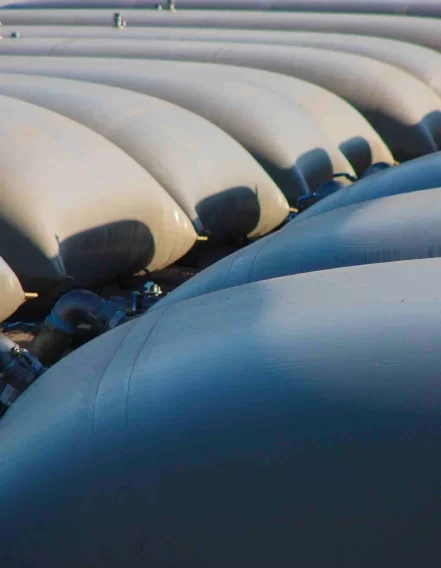
Ever wonder why an inflatable boat holds air, how thousands of gallons of water get stored in a massive “pillow” tank and folded into a crate for storage, or how a fabric curtain quiets an industrial factory floor? The answer usually comes down to one thing: a coated fabric. Coated fabrics. They are the silent workhorses behind modern industry. When you understand them better it is far easier to make wise choices to get the right material for demanding jobs.
Table of Contents
What Is a Coated Fabric?
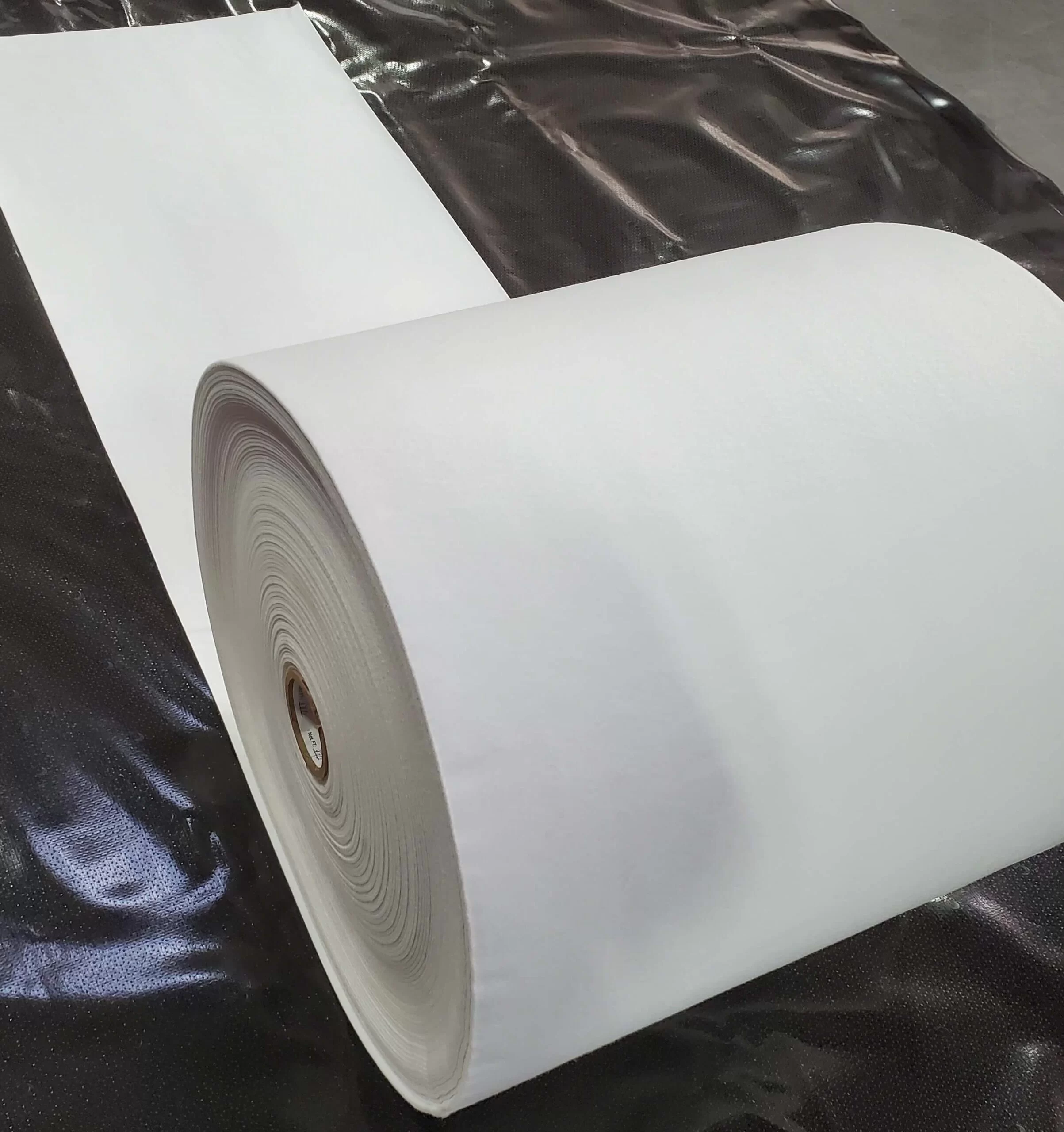
Coated fabric is a base textile, typically woven nylon or knit polyester, that has been bonded with a polymer coating that gives it properties superior to any the fabric alone could provide. On its own, a woven fabric is strong, but it is porous. Woven fabric won’t hold air, water, or fuel, and it wears out quickly against abrasion and weather. Add a coating of TPU, PVC, or another polymer, and the same fabric reemerges as a waterproof, airtight, weldable, and durable two-fisted superhero. The base fabric provides strength; the coating provides performance.
Coating vs. Lamination
People erroneously use the terms “coated” and “laminated” interchangeably, but there’s a distinction. Coating applies the polymer to the fabric as a liquid or molten layer that soaks in and cures in place. Lamination bonds a pre-made film to the fabric using heat or adhesive. Coating tends to give excellent adhesion and flexibility while lamination can provide a more uniform coating. You’ll find that many technical fabrics use a combination of both.
The Base Yarn & Fabric
The substrate used determines the fabric’s strength. Nylons offer excellent characteristics like overall strength when compared to the same design and weight polyester alternative, although at a price premium. Polyester is the work horse yarn of the industrial fabrics industry bringing performance and economic advantages. Engineers usually specify the base by denier (a measure of yarn thickness), type of construction, woven or knit, weight. Selecting the right fabric base depends on how much load the finished product must carry and how it will be handled.
Coating Chemistries Explained
TPU (thermoplastic polyurethane): prized for abrasion resistance, hydrolysis resistance, low-temperature flexibility, and clean weldability. It is a good choice for bladders, inflatables, and protective gear. E Squared’s RezCoat line is in the TPU family.
PVC (polyvinyl chloride): cost-effective, easy to fabricate and widely available. It is commonly used for shorter life expectancy applications like tarps, athletic field covers and inflatable applications.
Urethane and other polymers: used when a specialty property such as chemical resistance of functionality through extreme temperature ranges are required.
Key Performance Properties
When comparing coated fabrics, engineers look at abrasion resistance, hydrostatic resistance, air-holding, UV stability, temperature range, chemical and fuel resistance, and weldability. No single fabric maximizes all of these in one swoop, which is why matching the material to the application matters so much.
How Are Coated Fabrics Made?
Common methods of production include knife-over-roll coating, calendering processing, and extrusion lamination. Each controls coating thickness and finish, and the method chosen affects cost, weight, and performance.
Common Applications by Industry
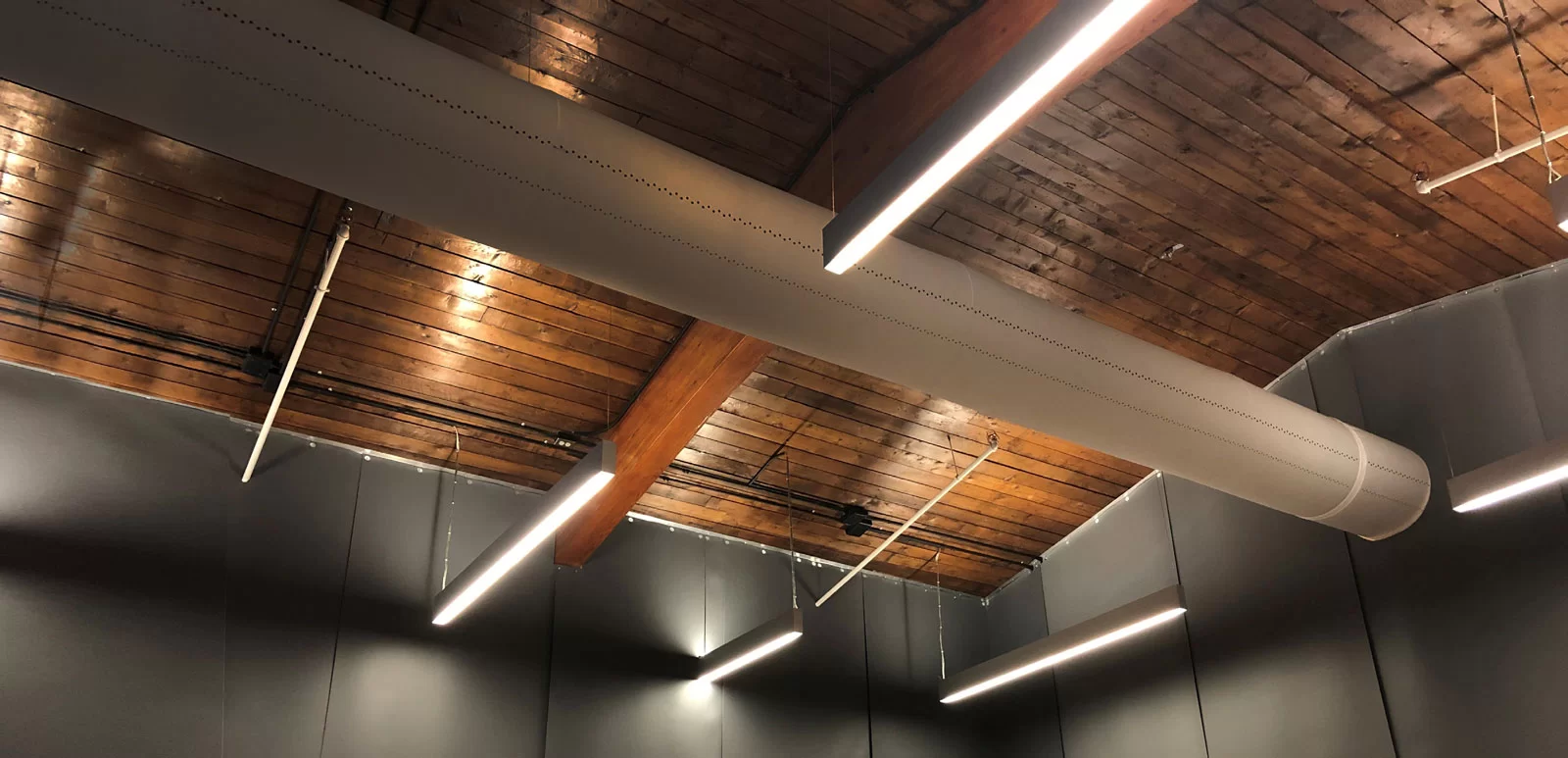
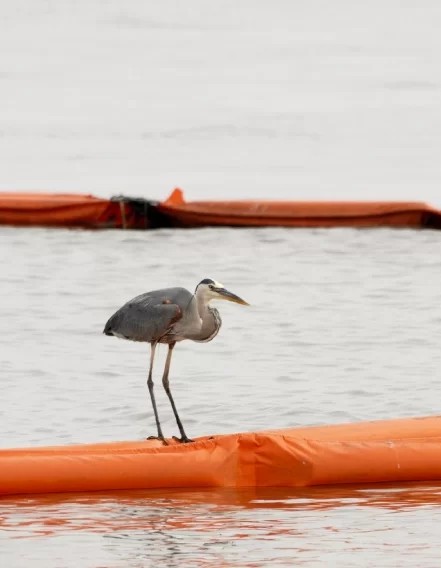
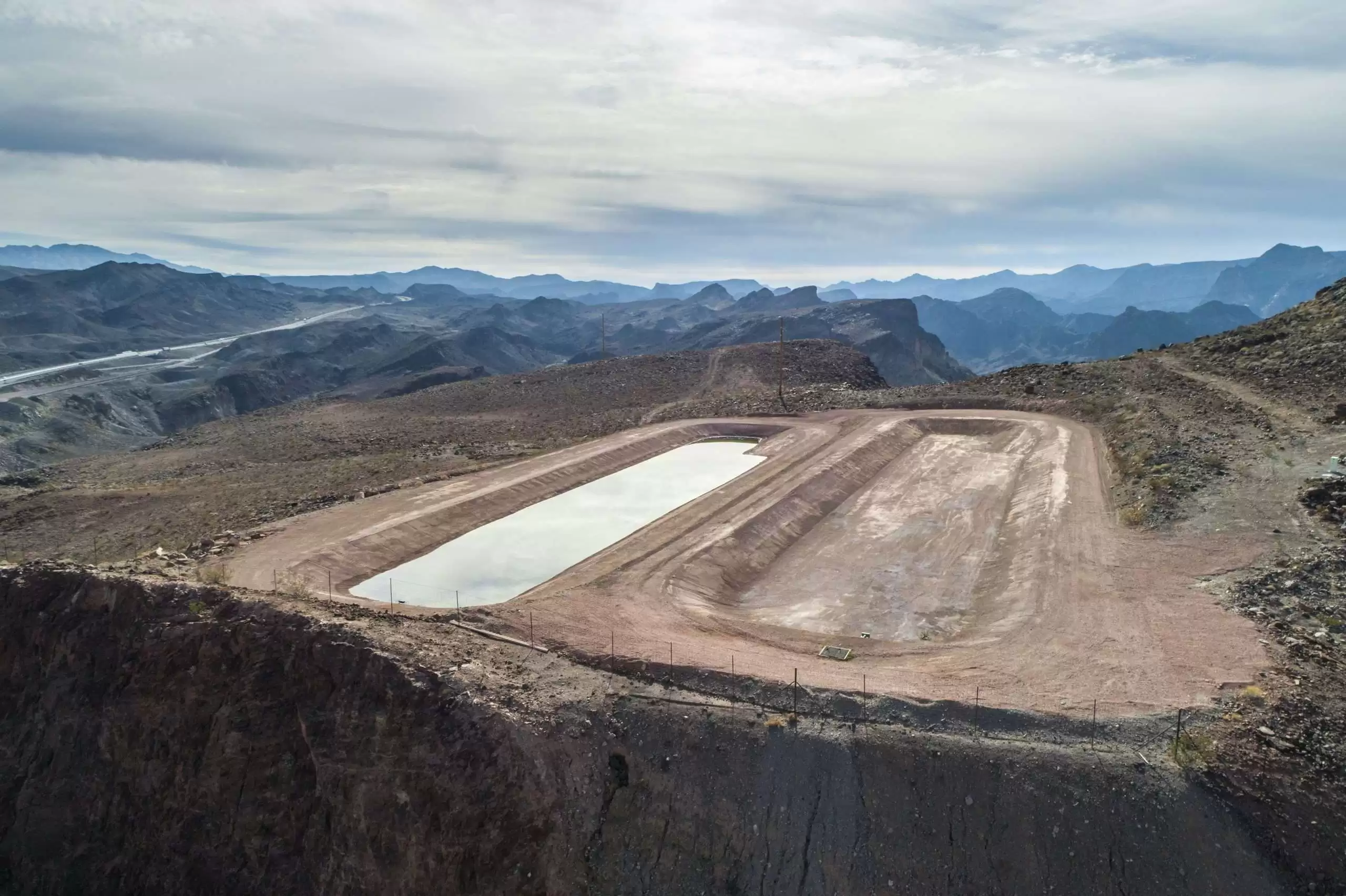
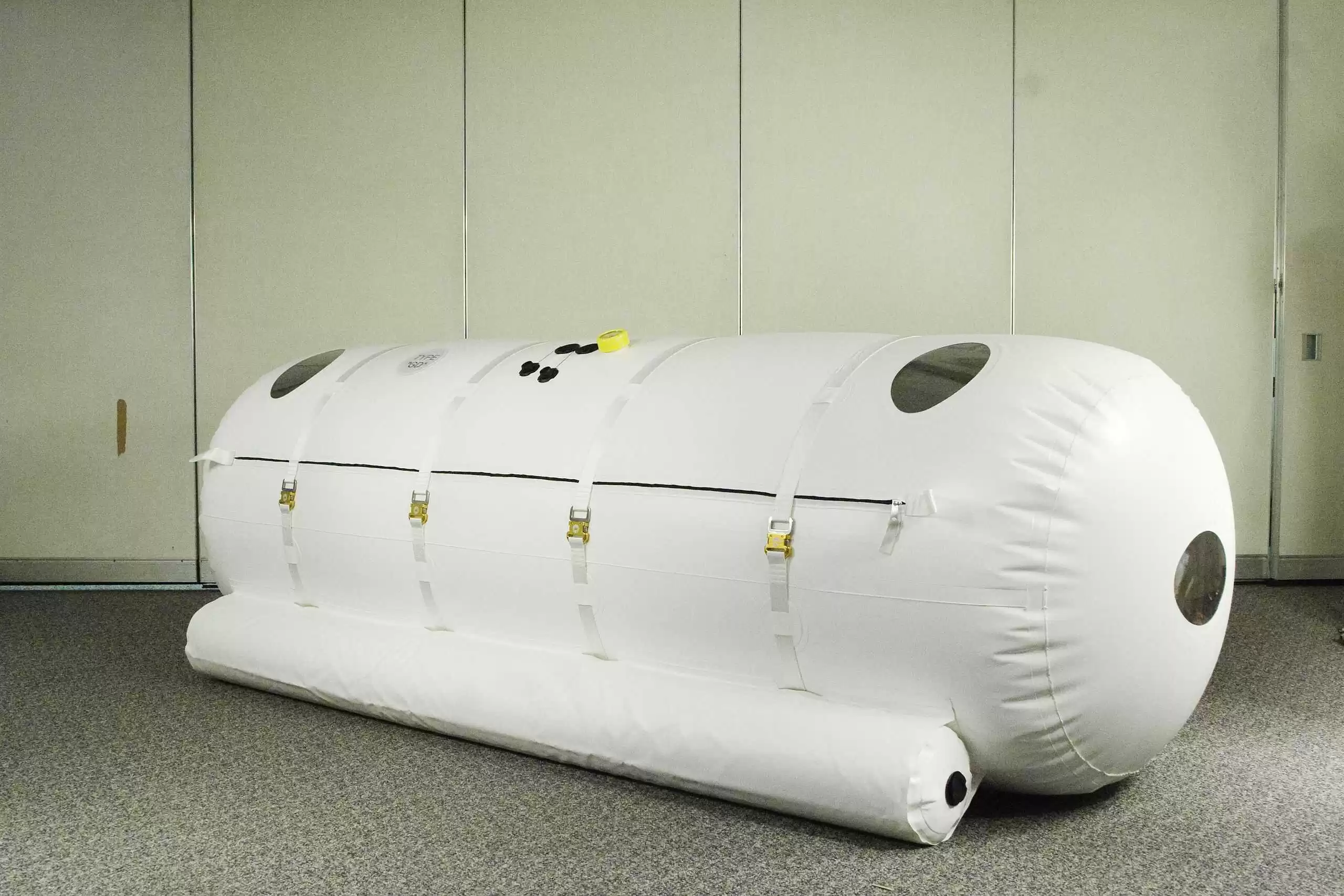
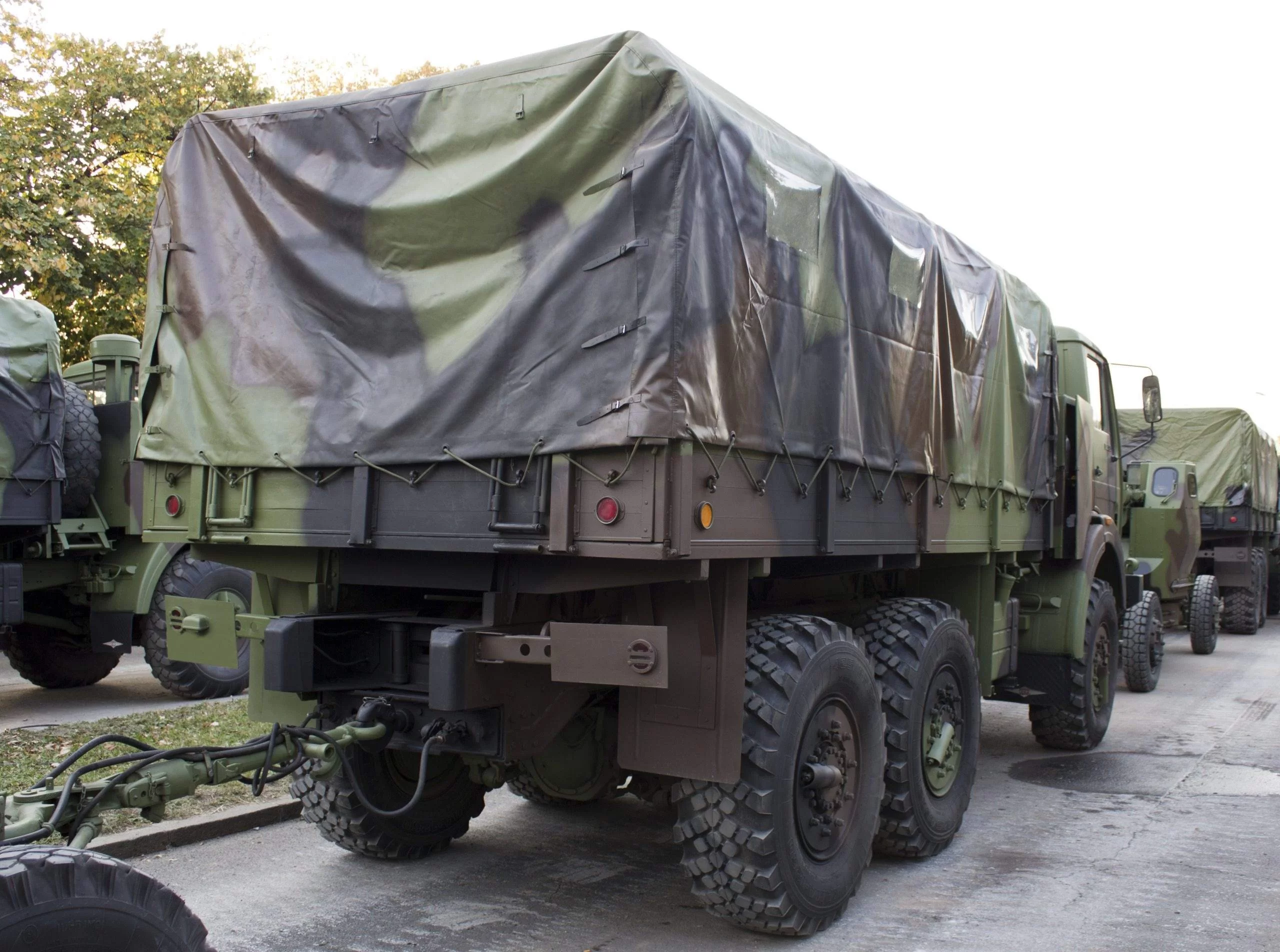
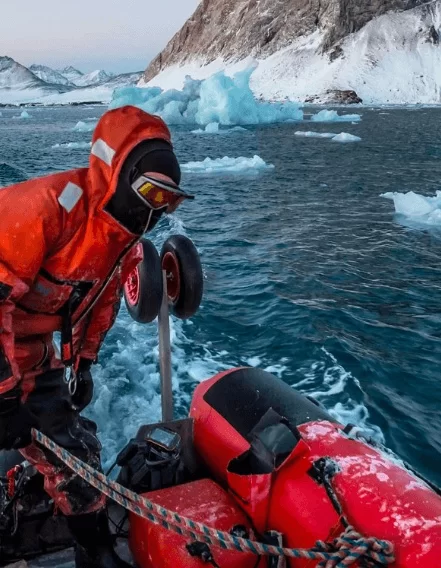
Coated fabrics show up in flexible fuel and water bladders, collapsible tanks, inflatable boats and rafts, personal flotation devices, military shelters and covers, and acoustic barriers built on mass loaded vinyl. In each case, the coating is what turns ordinary fabric into a purpose-built engineered material.
How to Choose the Right Coated Fabric
Start by recognizing the demands: What must it resist? How will it be joined together, welded or sewn? What strength and weight are required? What environment will it function in? Answering these questions narrows the field of choice quickly. E Squared is your specialty fabric partner and will help you match substrate and coating to your exact spec.
Why Work with a Specialty Partner
Off-the-shelf fabrics might not meet real-world specs. That’s where custom coating and toll manufacturing comes in. Working with a partner like E Squared means your fabric, substrate, and coating will be engineered to your requirements.