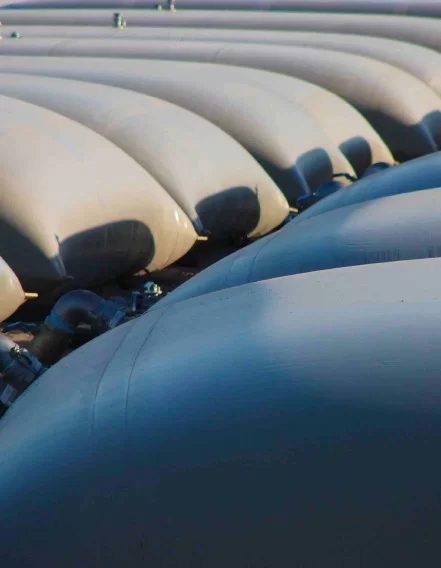
In the world of technical textiles, sunlight is a persistent source of material degradation. Marine accessories, outdoor enclosures, and industrial containment systems, and other applications face constant ultraviolet (UV) exposure that gradually breaks down polymers, coatings, and adhesives.
This is known as UV degradation. It weakens tensile strength, causes color fading, and leads to surface cracking or delamination. For OEMs and engineering teams, poor UV resistance isn’t just a visual concern, it’s a performance liability that shortens product lifespans and increases costs for replacement.
Table of Contents
How Does UV Exposure Degrade Polymers and Coatings
UV radiation from the sun carries energy that disrupts the chemical bonds within polymers. When these bonds break, polymer chains deteriorate via a chemical process called photo-oxidation. Over time, this creates changes in both mechanical and optical properties.
Here’s what typically happens when materials lack sufficient UV protection:
- Tensile and tear strength lessens – Chain scission and polymer oxidation leave fabrics brittle.
- Color fading or yellowing occurs – Pigments and dyes degrade, resulting in uneven or washed-out tones.
- Surface cracking and chalking show up – Coatings lose elasticity and begin to fracture, compromising barriers.
- Adhesives breakdown – Laminates and seam welds lose integrity, leading to delamination or leaks.
Much of this damage develops microscopically before it’s visible, so proactive UV stabilization is key to ensuring long-term stability and performance predictability.
Comparing UV Performance Across Common Textile Substrates
Not all substrates respond to UV light the same way. Base polymer chemistry, coating formulation, and stabilizer integration all influence how effectively a material resists photodegradation.
Material | Typical UV Resistance | Notes |
TPU (Thermoplastic Polyurethane) | Excellent with proper stabilizers | Offers high clarity, flexibility, and outdoor durability; aliphatic TPU grades resist yellowing. |
PVC (Polyvinyl Chloride) | Good to excellent | Often formulated with UV stabilizers and pigments; coating thickness and plasticizers determine long-term performance. |
Polyester (PET) | Good | Naturally more UV stable than nylon; widely used in marine and outdoor architectural fabrications. |
Nylon (Polyamide) | Moderate to poor | Strong but UV-sensitive; requires stabilizers or protective coatings to reduce brittleness and fading. |
Polyethylene (PE) / Polypropylene (PP) | Variable | Typically needs UV additives for extended use; common in industrial containment systems. |
For extended outdoor exposure, TPU-coated and PVC-coated fabrics are leading choices because of their controllable chemistry and compatibility with UV stabilizers, ensuring predictable endurance under sustained sunlight.
Engineering Factors That Improve UV Stability
UV resistance is never achieved by base polymer alone. It’s engineered through careful design and formulation. Critical variables include:
- Coating chemistry – Aliphatic TPUs and UV-modified PVCs provide stronger molecular protection against photodegradation.
- Additives and stabilizers – Hindered amine light stabilizers (HALS) and UV absorbers dissipate harmful wavelengths before they cause molecular damage.
- Film thickness and uniform coating layers – Greater coating mass and consistent layering act as physical UV barriers.
- Lamination and adhesive systems – Robust bonding technologies ensure laminates remain intact even as surface oxidation occurs.
- Manufacturing precision – Controlled extrusion temperatures and curing conditions help preserve additive dispersion and long-term stability.
Each of these factors directly affects UV resistance in technical textiles which will extend usable life and maintain both performance and appearance over time.
Applications Where UV Durability Is Critical
Industries that rely on uncompromising material performance often place UV resistance at the top of their specification lists. Key application areas include:
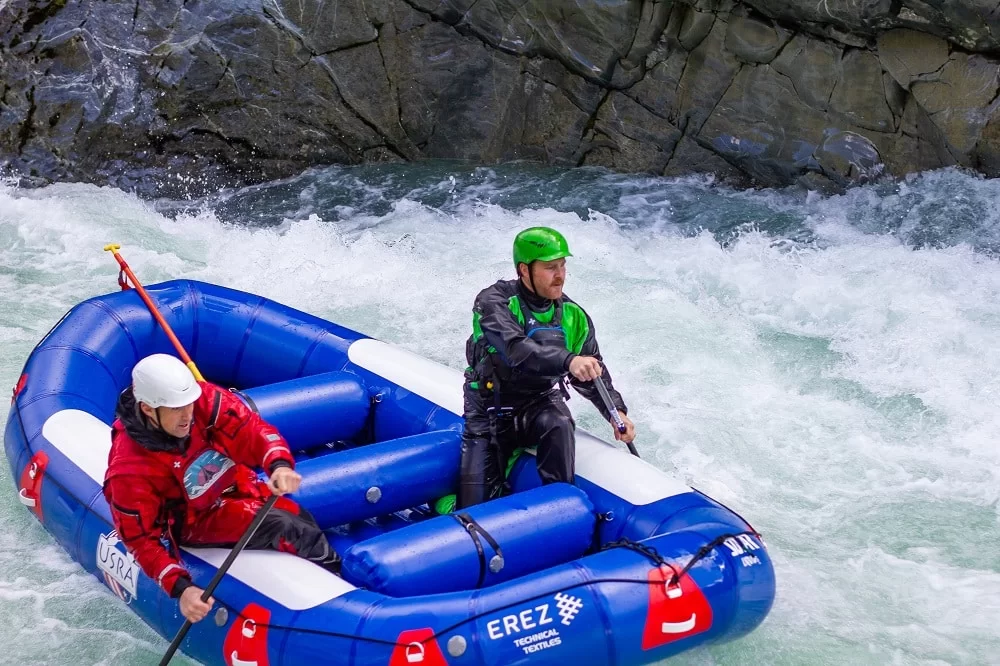
- Marine and boating – Covers, seating, and inflatable products exposed to long-term sunlight and saltwater.
- Outdoor recreation and architecture – Shading systems, awnings, and tents that must retain tensile strength after years of exposure.
- Industrial containment and environmental barriers – Flexible tanks, spill berms, and tarpaulins that require both UV and chemical resistance.
- Transportation and construction – Protective wraps and barriers that endure high UV index days throughout service life.
From end-user safety to brand reliability, UV stability directly determines product performance in these demanding conditions.
How UV Resistance Is Tested and Verified
UV durability is measured through rigorous, industry-standard testing both in lab and in controlled outdoor settings.
Common evaluation methods include:
- ASTM G154 – Simulates UV exposure and condensation cycles in fluorescent UV test chambers.
- ASTM D4329 – Evaluates degradation of plastics and coated fabrics under UV radiation.
- QUV accelerated weathering tests – Replicate years of sun exposure in weeks through controlled light, heat, and humidity.
- ISO 4892 – Internationally recognized protocols for assessing weathering in polymeric materials.
These standards, referenced by organizations such as ASTM International and ISO, provide quantifiable indicators of fabric endurance, helping manufacturers and engineers compare materials with confidence.
How E Square Approaches UV Performance
At E Square UV resistance is never optional; it’s a fundamental. Every custom-coated fabric and engineered laminate is built with the expectation that long-term outdoor exposure performance is a must.
E Square’s approach to UV-stable design includes:
- Proprietary coating technologies that incorporate UV absorbers and HALS systems tailored to each polymer substrate.
- Controlled coating and lamination processes that ensure consistent film thickness and full stabilizer distribution.
- Accelerated weathering validation performed in-house on every production run to confirm metricsfor durability.
- Collaborative development partnerships with OEM engineers to align physical performance with real-world environmental demands.
Through this process, E Square consistently delivers technical textiles that retain their integrity and functionality that meet and often exceed standard performance expectations.
Build Longevity Through UV Stability
From structural fabrics to inflatable barriers, every outdoor or industrial application demands materials engineered to withstand years of UV exposure. UV resistance in technical textiles safeguards tensile strength, color quality, and seam integrity, key elements in product safety and longevity.
By choosing fabric systems designed and tested for UV durability, manufacturers reduce lifecycle costs and ensure reliability where failure isn’t an option. E Square’s engineered textiles give companies the confidence that their products will perform in sunlight, season after season.