




By now, everyone has seen the headlines about the Second Iran War. While the world watches the military back-and-forth in the Persian Gulf, there is a “stealth” crisis happening in the background that is about to hit your job site.
The Iranian missile strikes on Ras Laffan, Qatar (March 18–19) were far more than a regional skirmish. They were a direct hit to the global plastics supply chain. While the media is focused on oil prices, we are tracking the physical destruction of the feedstocks that make our products possible.
Here is the bottom line: The “two-week” disruption everyone hoped for is gone. We are now looking at a structural reset of the market.
Table of Contents
1. PVC Resin: 20 % Up
Let’s not sugar-coat this: PVC resin is on a trajectory to be up at least 20% by the end of April. Why such a violent move? It’s a global pincer move.
- The Asian Panic: Asia (Japan, South Korea, China) relies on the Middle East for 80% of its energy. With the Strait of Hormuz effectively closed, Asian giants like Shin-Etsu have already announced 20% price hikes.
- The European Crisis: Natural gas in Europe (TTF) has surged 80% in 30 days.
- The Result: US-made resin is now the “lender of last resort” for the entire world. Your supplier isn’t just looking at the US market; they are looking at desperate buyers in Tokyo and Rotterdam who are willing to pay “panic premiums.” If you aren’t prepared for a double-digit hike this month, you are behind the curve.
2. The Plasticizer “Double-Whammy”
This is where the technical details of the Qatar strike hit home. We are being hit by two different naphtha shortages at the same time.
- The Qatar GTL Hit (Synthetic Naphtha): Qatar’s Pearl GTL plant (the world’s largest) doesn’t make naphtha from oil—it synthesizes it from natural gas. This “GTL Naphtha” is the ultra-pure “super-feedstock” for the high-performance plasticizers (both linear and branched like DOTP and DIDP) used in our industry. One of Pearl’s massive production trains was severely damaged and is expected to be offline for at least a year.
- The Hormuz Blockade (Oil-Based Naphtha): Simultaneously, the “standard” naphtha produced from crude oil in the UAE and Kuwait is trapped behind the Hormuz blockade.
- The Impact: We have lost the “gold standard” of synthetic feedstock in Qatar, and the oil-based backup is stuck in a traffic jam. Whether your plasticizer is domestic or imported, the “cost to make” has reset 15–25% higher.
3. The Scrim Crisis: A Compromised Internal Framework
A reinforced membrane is only as strong as its internal framework. This is the silent bottleneck.
- Base Resin Shortage: The Asian mills that spin our Polyester and Nylon yarns are literally running out of the base resins needed to make them. These resins are derived from the very naphtha and condensates that are now offline in Qatar or trapped in the Gulf.
- The Logistics Tax: Vessels are now rerouting 3,000 miles around the Cape of Good Hope to avoid the conflict. This adds 21 to 30 days to your lead time. If the internal framework doesn’t show up, the production line stops—period.
4. Reinforced LLDPE: The Global Vacuum
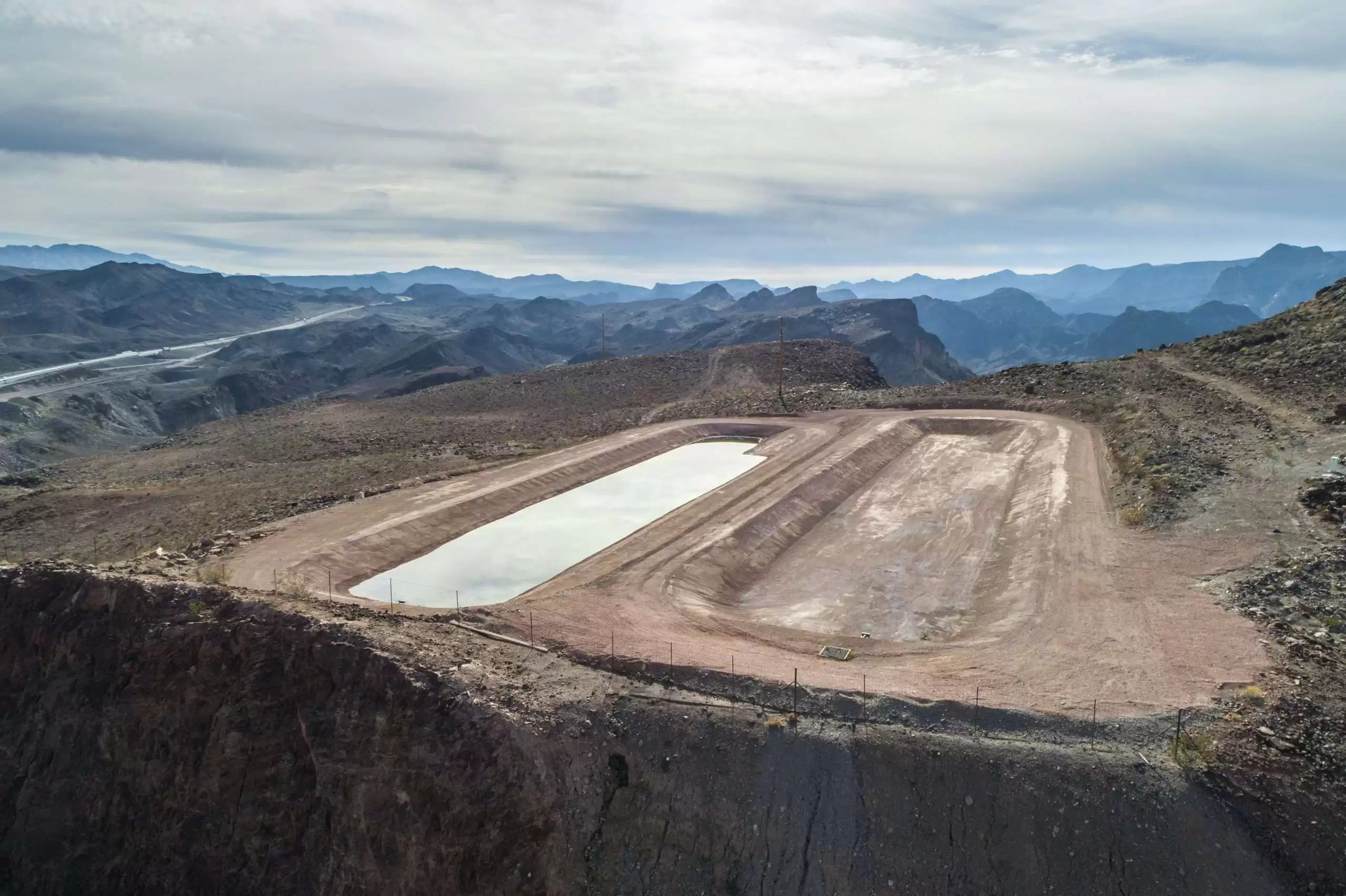
For our customers in the energy sector using Reinforced LLDPE frac liners, the story is “Export Parity.” US LLDPE is the cheapest on earth right now, and it is being sucked out of the country to fill voids in Asia and Europe. Expect immediate availability surcharges and strict allocation.
What to Watch for in the News
- Force Majeure: If you see US resin or chemical producers declaring Force Majeure, supply—not just price—is now your primary risk.
- GTL Repair Timelines: If the one-year estimate for the Pearl GTL plant starts to slide, the plasticizer deficit becomes a long-term reality.
- Hormuz Insurance: If “War Risk” surcharges on shipping don’t drop soon, those costs are going to become a permanent fixture on your invoices.
The Bottom Line
We are no longer in a market where you can “wait and see.” The structural damage in Qatar and the blockade of the Strait of Hormuz have removed the low-cost floor from the plastics industry.
Availability is now the only currency that matters. We strongly advise all our partners to lock in their requirements for the remainder of 2026 today. The cost of being “right” on the price but “wrong” on the supply is a risk no project can afford to take.