
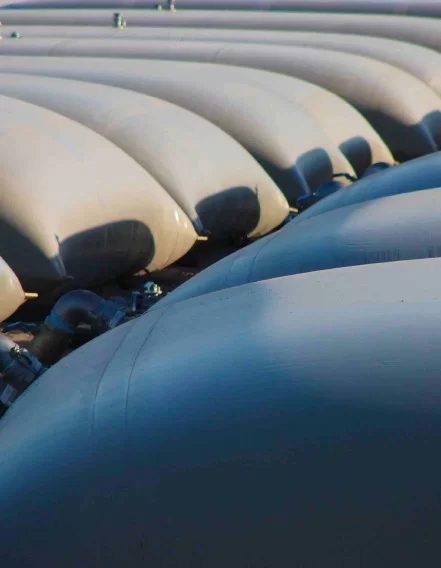
The Second Iran War: Why the Strike on Qatar is the “Overlooked” Crisis for US Plastics

By now, everyone has seen the headlines about the Second Iran War. While the world watches the military back-and-forth in the Persian Gulf, there is a “stealth” crisis happening in the background that is about to hit your job site.

The Iranian missile strikes on Ras Laffan, Qatar (March 18–19) were far more than a regional skirmish. They were a direct hit to the global plastics supply chain. While the media is focused on oil prices, we are tracking the physical destruction of the feedstocks that make our products possible.

Here is the bottom line: The “two-week” disruption everyone hoped for is gone. We are now looking at a structural reset of the market.

1. PVC Resin: 20 % Up

Let’s not sugar-coat this: PVC resin is on a trajectory to be up at least 20% by the end of April. Why such a violent move? It’s a global pincer move.

  • The Asian Panic: Asia (Japan, South Korea, China) relies on the Middle East for 80% of its energy. With the Strait of Hormuz effectively closed, Asian giants like Shin-Etsu have already announced 20% price hikes.
  • The European Crisis: Natural gas in Europe (TTF) has surged 80% in 30 days.
  • The Result: US-made resin is now the “lender of last resort” for the entire world. Your supplier isn’t just looking at the US market; they are looking at desperate buyers in Tokyo and Rotterdam who are willing to pay “panic premiums.” If you aren’t prepared for a double-digit hike this month, you are behind the curve.

2. The Plasticizer “Double-Whammy”

This is where the technical details of the Qatar strike hit home. We are being hit by two different naphtha shortages at the same time.

  • The Qatar GTL Hit (Synthetic Naphtha): Qatar’s Pearl GTL plant (the world’s largest) doesn’t make naphtha from oil—it synthesizes it from natural gas. This “GTL Naphtha” is the ultra-pure “super-feedstock” for the high-performance plasticizers (both linear and branched like DOTP and DIDP) used in our industry. One of Pearl’s massive production trains was severely damaged and is expected to be offline for at least a year.
  • The Hormuz Blockade (Oil-Based Naphtha): Simultaneously, the “standard” naphtha produced from crude oil in the UAE and Kuwait is trapped behind the Hormuz blockade.
  • The Impact: We have lost the “gold standard” of synthetic feedstock in Qatar, and the oil-based backup is stuck in a traffic jam. Whether your plasticizer is domestic or imported, the “cost to make” has reset 15–25% higher.

3. The Scrim Crisis: A Compromised Internal Framework

A reinforced membrane is only as strong as its internal framework. This is the silent bottleneck.

  • Base Resin Shortage: The Asian mills that spin our Polyester and Nylon yarns are literally running out of the base resins needed to make them. These resins are derived from the very naphtha and condensates that are now offline in Qatar or trapped in the Gulf.
  • The Logistics Tax: Vessels are now rerouting 3,000 miles around the Cape of Good Hope to avoid the conflict. This adds 21 to 30 days to your lead time. If the internal framework doesn’t show up, the production line stops—period.

4. Reinforced LLDPE: The Global Vacuum

For our customers in the energy sector using Reinforced LLDPE frac liners, the story is “Export Parity.” US LLDPE is the cheapest on earth right now, and it is being sucked out of the country to fill voids in Asia and Europe. Expect immediate availability surcharges and strict allocation.

What to Watch for in the News

  • Force Majeure: If you see US resin or chemical producers declaring Force Majeure, supply—not just price—is now your primary risk.
  • GTL Repair Timelines: If the one-year estimate for the Pearl GTL plant starts to slide, the plasticizer deficit becomes a long-term reality.
  • Hormuz Insurance: If “War Risk” surcharges on shipping don’t drop soon, those costs are going to become a permanent fixture on your invoices.

The Bottom Line

We are no longer in a market where you can “wait and see.” The structural damage in Qatar and the blockade of the Strait of Hormuz have removed the low-cost floor from the plastics industry.

Availability is now the only currency that matters. We strongly advise all our partners to lock in their requirements for the remainder of 2026 today. The cost of being “right” on the price but “wrong” on the supply is a risk no project can afford to take.

The Role of Pond Liners in Lithium Mining: Why the Right Geomembrane Makes or Breaks Your Operation

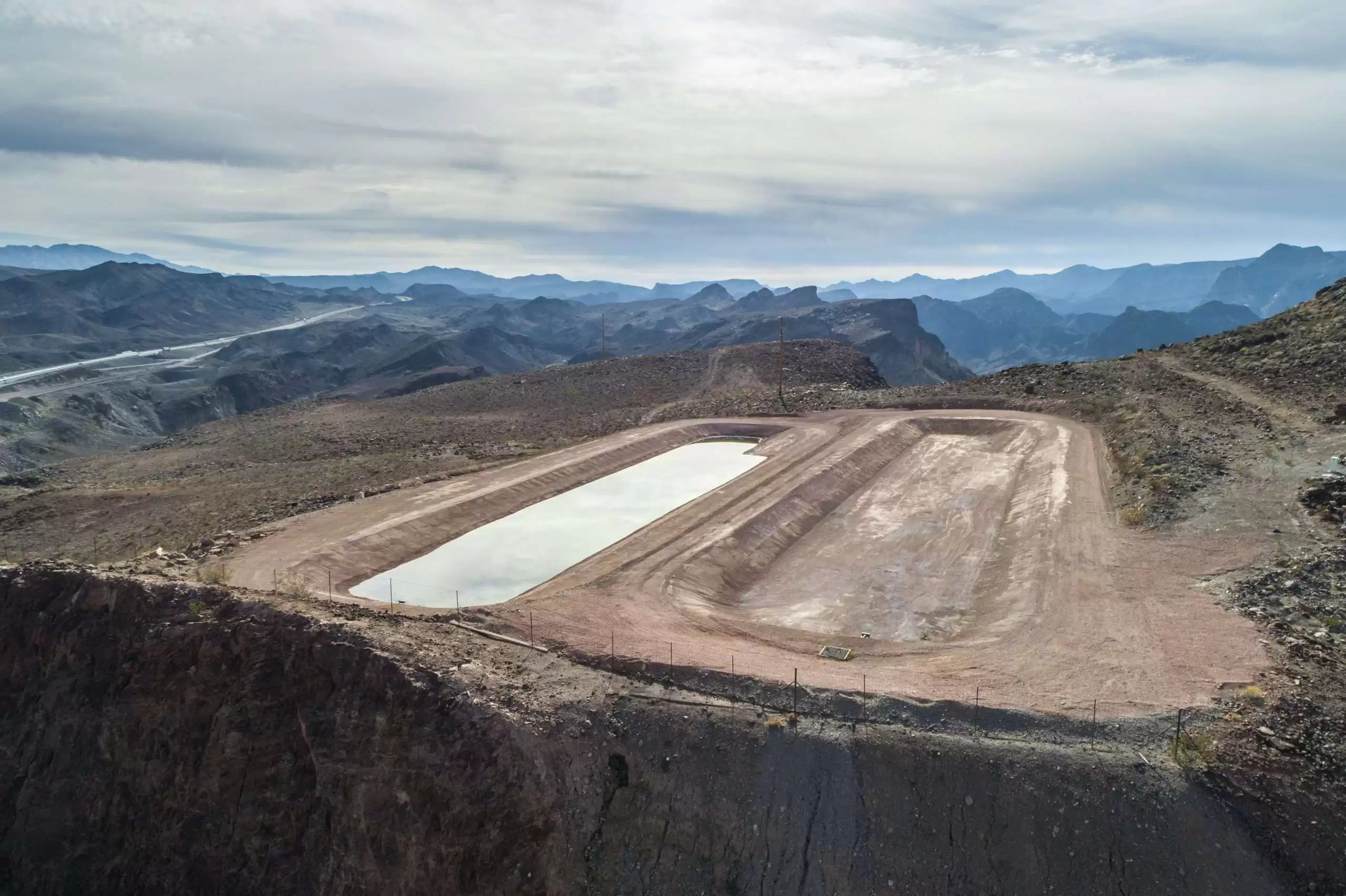
The global race for lithium is accelerating. As demand for electric vehicles, grid-scale batteries, and consumer electronics surges, mining operations are under enormous pressure to extract more lithium — faster, more efficiently, and with a shrinking environmental footprint. At the heart of that extraction process sits a critical piece of infrastructure that rarely makes headlines: the evaporation pond liner.

These liners — technically known as geomembranes — are the invisible foundation of brine-based lithium mining. They don’t look like much, but without them, the entire operation can seep away literally.

In this post, we break down how pond liners work, what materials are used, what features to look for in a demanding lithium mining environment, and why E Squared Technical Textiles’ Flex Liner LLDPE-R is increasingly the material of choice for serious operators.


How Lithium Brine Extraction Actually Works

Most of the world’s lithium supply is extracted not from hard rock, but from vast underground brine deposits in salt flats — known as “salares” — primarily in the “Lithium Triangle” spanning Chile, Argentina, and Bolivia. Operators pump this lithium-rich brine to the surface and spread it across a series of large, shallow evaporation ponds that can stretch for hundreds of acres.

Over a period of months, the sun and wind do the heavy lifting: evaporating water from the brine and progressively concentrating the lithium content. The lithium-enriched solution is then further processed into lithium carbonate or lithium hydroxide for use in battery manufacturing.

It’s a relatively low-energy extraction method — but its efficiency depends almost entirely on pond containment. If the brine seeps into the subsoil, you lose product, contaminate groundwater, and invite regulatory penalties. That’s where the liner comes in.


What Pond Liners Actually Do

Geomembranes in lithium extraction serve three essential functions:

  • Preventing Seepage: They act as an impermeable barrier to stop valuable lithium brine from leaking into the subsoil — protecting both your product and your project economics.
  • Environmental Protection: They prevent toxic or highly saline mining byproducts from contaminating local groundwater, helping operators meet environmental compliance requirements.
  • Process Efficiency: By eliminating downward water loss through soil, they ensure evaporation happens at a controlled, predictable rate — so your concentration curves stay on schedule.

In short: a failed or underperforming liner doesn’t just create a mess. It undermines the entire extraction timeline and economics of the project.


Common Liner Materials: What the Industry Uses

Modern lithium mines have largely moved away from traditional clay liners toward advanced geosynthetics — materials that are lighter, more durable, and up to 50% cheaper to install. Here’s how the main options compare:

High-Density Polyethylene (HDPE)

For years, HDPE has been the go-to industry standard. Its exceptional chemical resistance to corrosive salts, high tensile strength, and UV stability make it a reliable workhorse. However, HDPE’s relative rigidity can be a liability in sites with irregular subgrades or ground movement — stress cracking is a known failure mode.

Polyvinyl Chloride (PVC)

PVC is favored for its flexibility and “lay-flat” characteristics, allowing it to conform closely to the subgrade and reducing the risk of lateral flow if a leak occurs. It’s a strong option for complex geometries but can be more vulnerable to UV degradation over long outdoor exposure.

Linear Low-Density Polyethylene (LLDPE)

LLDPE steps in where higher flexibility is needed. When a pond site must adapt to subsurface movements or shifting ground, LLDPE’s greater elongation and conformability reduce the risk of puncture and tearing under stress.

Reinforced Polyethylene (RPE / LLDPE-R)

String-reinforced LLDPE composites are increasingly considered the optimal choice for lithium brine applications. By combining the chemical resistance and flexibility of LLDPE with an embedded reinforcement grid, these materials achieve higher puncture resistance, tear strength, and dimensional stability — without sacrificing the conformability that large-area installations demand.


Advanced Features to Look For in Mining Liners

Not all geomembranes are built the same. In the harsh conditions of desert mining operations — intense UV exposure, extreme temperature swings, highly concentrated brines, and remote installation environments — specialized performance features matter:

  • Leak Detection Systems: Some liners are co-extruded with a conductive layer, allowing operators to use sensors or drone surveillance to identify punctures in real time. Early detection is far cheaper than remediation.
  • Color-Coded Layers: White top layers reduce heat absorption during installation, while darker layers can absorb more solar energy to potentially accelerate evaporation rates — a meaningful operational advantage.
  • Multi-Layer Composites: These configurations may include an underlayment — such as a nonwoven geotextile — to cushion the primary liner from sharp rocks and prevent punctures from hydrostatic pressure beneath the membrane.
  • Temperature Resilience: In high-altitude mining regions, nighttime temperatures can drop well below freezing. A liner that becomes brittle in cold conditions is a liability. Materials that maintain elasticity across a wide temperature range are essential.

Recommended for Lithium Extraction Applications: E Squared Flex Liner LLDPE-R

For demanding lithium extraction environments, E Squared Technical Textiles recommends the Flex Liner LLDPE-R — a string-reinforced linear low-density polyethylene composite specifically engineered to outperform standard unreinforced liners.

Here’s why it’s becoming the specification of choice for serious mining operators:

  • Superior Flexibility & Lay-Flat Properties: Unlike rigid HDPE, LLDPE-R offers exceptional flexibility, allowing it to conform easily to irregular subgrades and complex pond geometries without the risk of stress cracking. This dramatically reduces installation time and field adjustment needs.
  • Enhanced Durability: The string reinforcement provides high tensile strength and superior resistance to punctures and tears, making it robust enough to handle mechanical stress during installation and long-term operation in abrasive environments.
  • Chemical & UV Stability: Formulated for high chemical resistance against concentrated lithium brines and engineered for long-term UV stability, the Flex Liner LLDPE-R is built to last in constant outdoor exposure without degradation.
  • Efficient Installation: The material’s flexibility allows it to be prefabricated into large panels, welded, and tested under controlled factory conditions. This minimizes field seaming, accelerates construction timelines, and substantially lowers overall installation costs.
  • Temperature Resilience: LLDPE-R maintains its structural integrity and elasticity even in freezing conditions, preventing the brittleness and cracking that can occur with other polymers during seasonal temperature fluctuations at high-altitude mining sites.

Product Specifications

  • Thickness: Available in 30, 36, 45, and 60 mil options to match specific project containment requirements.
  • Finishes: Offered in smooth or with a unique embossed textured finish for improved traction on slopes.
  • Width: Standard widths up to 10 feet for efficient fabrication and panel sizing.

The Bottom Line

In lithium mining, the evaporation pond is where the product is made — and the liner is what makes the pond work. Specifying the wrong geomembrane is one of the costliest mistakes an operation can make. The right liner, properly installed, protects your resource, your environment, and your timeline.

The E Squared Flex Liner LLDPE-R was designed specifically for environments that put geomembranes to their toughest test. If your project involves concentrated brines, challenging subgrades, extreme temperatures, or remote installation logistics, it deserves a serious look.

Ready to learn more? Explore the Flex Liner LLDPE-R product page, or contact E Squared’s technical team to discuss specifications for your project.

E Squared: Defining the Future of Technical Textiles.

2025 Year in Review & 2026 Outlook

As we close the doors on 2025, we look back at a year defined by bold expansion and relentless ingenuity. At E Squared, growth is not just measured by revenue, but by the increasing complexity of the problems we solve for our partners. This past year, we successfully scaled our operations, products, and physical footprint to ensure we remain the most agile and innovative provider in the coated fabrics industry.

Innovation That Protects: 2025 Product Highlights

Our R&D team continues to push the boundaries of polymer science. The introduction of several innovative products in 2025 has already begun to reshape industry standards:

  • The Mirage Geomembrane: Specifically engineered for potable water reservoirs, Mirage addresses the critical need for longevity in harsh environments. By combining industry-leading chlorine resistance with high surface reflectivity and enhanced UV/oxidation resistance, we’ve created a liner that prevents micro-cracking and maintains structural integrity during complex fabrication and folding.

  • Sound Safe Acoustic Barrier ULC: Recognizing a gap in the market for high-performance safety materials, we launched this barrier to provide a rare combination of superior acoustic dampening and rigorous fire safety compliance.

The momentum won’t stop here. Our product development pipeline is full, with several major launches scheduled for Spring 2026. We invite you to explore our Innovation Section or reach out to a Market Specialist to see how these new materials can enhance your next project.

A Foundation for Excellence: Facilities & Quality

To keep pace with demand, our infrastructure underwent a massive transformation this year.

  • Hillside, NJ Expansion: We added 15,000 square feet to our flagship facility, providing the necessary floor space for state-of-the-art production equipment and streamlined logistics.

  • Technical & Analytical Upgrades: We invested heavily in our laboratory, adding advanced analytical equipment that allows for real-time testing and faster iteration in product development.

  • ISO 9001 Certification: Quality is our North Star. After completing the “lion’s share” of the rigorous documentation and procedural work in 2025, we are proud to announce we will officially receive our ISO 9001 certification in Q1 2026, reinforcing our commitment to global manufacturing standards.

Advocacy, Presence, and the “American-Made” Mission

In 2025, our team completed a “baker’s dozen” of industry events, spanning 13 trade shows and conferences. From mainstay events like WEFTEC, AWWA, and GeoFrontiers to niche forums like NoiseCon and IBEX, these shows allow us to keep our finger on the pulse of the industry.

Beyond sales, we are active in the halls of government. Working alongside GMA and NASSCO, we are engaging with the new administration in D.C. to be a vocal advocate for the domestic textile industry. We continue to “Fight! Fight! Fight!” to protect and expand the Berry Amendment, the Kissell Amendment, and the Build America, Buy America Act (BABAA), ensuring that American infrastructure is built with American-engineered excellence.

The Digital Frontier: AI and Education

As the “tidal wave” of AI hits every industry, E Squared is surfing the crest. We are currently integrating AI-driven tools to optimize our product development cycles and enhance our customer service response times. Throughout 2026, you will notice a more personalized and efficient experience when interacting with our brand.

We are also doubling down on Customer Empowerment. Our 2026 roadmap includes:

  • Educational Video Series: Launching in Q1, we will provide expert heat-welding videos and comprehensive training guides to help your fabrication teams achieve maximum efficiency.

  • The Enhanced e2 Blog: We are moving beyond simple product updates. Our new blog series will focus on deep-dive problem-solving, offering solution-based articles for the most common (and uncommon) challenges in the field.

Investing in People

A company is only as strong as its team. This year, we significantly bolstered our human capital to ensure our partners receive unparalleled support. We are proud to have welcomed Sean O’Shea (Sr. Market Manager), Jack Clarkin (Inside Sales), Yash Patil (Technical Sales), and Jalynn Clark (Customer Service) to the E Squared family.

The Journey Ahead

We invite you to join us in 2026 as we continue to pioneer the highest-performing technical textiles available. Whether the application is here on Earth—or eventually on Mars—E Squared is ready to lead the way.

Let’s make 2026 our best year yet!

UV Resistance in Technical Textiles: Why It Matters

In the world of technical textiles, sunlight is a persistent source of material degradation. Marine accessories, outdoor enclosures, and industrial containment systems, and other applications face constant ultraviolet (UV) exposure that gradually breaks down polymers, coatings, and adhesives.

This is known as UV degradation. It weakens tensile strength, causes color fading, and leads to surface cracking or delamination. For OEMs and engineering teams, poor UV resistance isn’t just a visual concern, it’s a performance liability that shortens product lifespans and increases costs for replacement.

How Does UV Exposure Degrade Polymers and Coatings

UV radiation from the sun carries energy that disrupts the chemical bonds within polymers. When these bonds break, polymer chains deteriorate via a chemical process called photo-oxidation. Over time, this creates changes in both mechanical and optical properties.

Here’s what typically happens when materials lack sufficient UV protection:

  • Tensile and tear strength lessens – Chain scission and polymer oxidation leave fabrics brittle.
  • Color fading or yellowing occurs – Pigments and dyes degrade, resulting in uneven or washed-out tones.
  • Surface cracking and chalking show up – Coatings lose elasticity and begin to fracture, compromising barriers.
  • Adhesives breakdown – Laminates and seam welds lose integrity, leading to delamination or leaks.

Much of this damage develops microscopically before it’s visible, so proactive UV stabilization is key to ensuring long-term stability and performance predictability.

Comparing UV Performance Across Common Textile Substrates

Not all substrates respond to UV light the same way. Base polymer chemistry, coating formulation, and stabilizer integration all influence how effectively a material resists photodegradation.

Material

Typical UV Resistance

Notes

TPU (Thermoplastic Polyurethane)

Excellent with proper stabilizers

Offers high clarity, flexibility, and outdoor durability; aliphatic TPU grades resist yellowing.

PVC (Polyvinyl Chloride)

Good to excellent

Often formulated with UV stabilizers and pigments; coating thickness and plasticizers determine long-term performance.

Polyester (PET)

Good

Naturally more UV stable than nylon; widely used in marine and outdoor architectural fabrications.

Nylon (Polyamide)

Moderate to poor

Strong but UV-sensitive; requires stabilizers or protective coatings to reduce brittleness and fading.

Polyethylene (PE) / Polypropylene (PP)

Variable

Typically needs UV additives for extended use; common in industrial containment systems.

For extended outdoor exposure, TPU-coated and PVC-coated fabrics are leading choices because of their controllable chemistry and compatibility with UV stabilizers, ensuring predictable endurance under sustained sunlight.

Engineering Factors That Improve UV Stability

UV resistance is never achieved by base polymer alone. It’s engineered through careful design and formulation. Critical variables include:

  • Coating chemistry – Aliphatic TPUs and UV-modified PVCs provide stronger molecular protection against photodegradation.
  • Additives and stabilizers – Hindered amine light stabilizers (HALS) and UV absorbers dissipate harmful wavelengths before they cause molecular damage.
  • Film thickness and uniform coating layers – Greater coating mass and consistent layering act as physical UV barriers.
  • Lamination and adhesive systems – Robust bonding technologies ensure laminates remain intact even as surface oxidation occurs.
  • Manufacturing precision – Controlled extrusion temperatures and curing conditions help preserve additive dispersion and long-term stability.

Each of these factors directly affects UV resistance in technical textiles which will extend usable life and maintain both performance and appearance over time.

Applications Where UV Durability Is Critical

Industries that rely on uncompromising material performance often place UV resistance at the top of their specification lists. Key application areas include:

  • Marine and boating – Covers, seating, and inflatable products exposed to long-term sunlight and saltwater.
  • Outdoor recreation and architecture – Shading systems, awnings, and tents that must retain tensile strength after years of exposure.
  • Industrial containment and environmental barriers – Flexible tanks, spill berms, and tarpaulins that require both UV and chemical resistance.
  • Transportation and construction – Protective wraps and barriers that endure high UV index days throughout service life.

From end-user safety to brand reliability, UV stability directly determines product performance in these demanding conditions.

How UV Resistance Is Tested and Verified

UV durability is measured through rigorous, industry-standard testing both in lab and in controlled outdoor settings.

Common evaluation methods include:

  • ASTM G154 – Simulates UV exposure and condensation cycles in fluorescent UV test chambers.
  • ASTM D4329 – Evaluates degradation of plastics and coated fabrics under UV radiation.
  • QUV accelerated weathering tests – Replicate years of sun exposure in weeks through controlled light, heat, and humidity.
  • ISO 4892 – Internationally recognized protocols for assessing weathering in polymeric materials.

These standards, referenced by organizations such as ASTM International and ISO, provide quantifiable indicators of fabric endurance, helping manufacturers and engineers compare materials with confidence.

How E Square Approaches UV Performance

At E Square UV resistance is never optional; it’s a fundamental. Every custom-coated fabric and engineered laminate is built with the expectation that long-term outdoor exposure performance is a must.

E Square’s approach to UV-stable design includes:

  • Proprietary coating technologies that incorporate UV absorbers and HALS systems tailored to each polymer substrate.
  • Controlled coating and lamination processes that ensure consistent film thickness and full stabilizer distribution.
  • Accelerated weathering validation performed in-house on every production run to confirm metricsfor durability.
  • Collaborative development partnerships with OEM engineers to align physical performance with real-world environmental demands.

Through this process, E Square consistently delivers technical textiles that retain their integrity and functionality that meet and often exceed standard performance expectations.

Build Longevity Through UV Stability

From structural fabrics to inflatable barriers, every outdoor or industrial application demands materials engineered to withstand years of UV exposure. UV resistance in technical textiles safeguards tensile strength, color quality, and seam integrity, key elements in product safety and longevity.

By choosing fabric systems designed and tested for UV durability, manufacturers reduce lifecycle costs and ensure reliability where failure isn’t an option. E Square’s engineered textiles give companies the confidence that their products will perform in sunlight, season after season.

Nonwoven vs. Woven Geotextiles: Which Is Better for Soil Stabilization?

Geotextiles are indispensablefor modern infrastructure and civil engineering. From roadway foundations to retaining walls and erosion control systems, engineered fabrics provide separation and drainage, enhanced soil behavior, and extended life for constructed systems.

When it comes to choosing nonwoven vs. woven geotextiles, getting the right one for soil stabilization and load-bearing applications makes or breaksreaching long-term performance goals. Both materials serve distinctive roles. Appreciating their key differences helps in achieving predictable, lasting results.

What Are Geotextiles?

Geotextiles are permeable technical fabrics used to improve soil stability, provide reinforcement, or facilitate water movement in civil and environmental construction. They act as a separation layer between soil, aggregate, or other substances and prevent or control intermixing fluid flow.

These materials generally fall into two manufacturing categories:

Woven Geotextiles

Woven geotextiles are made by interlacing high-strength polymer yarns (commonly polypropylene or polyester) in a consistent warp-and-weft pattern. The result is a stable fabric with very low elongation and high tensile strength.

Typical production methods use slit-film tapes or monofilament filaments woven tightly to form a durable grid structure. This gives woven fabrics their superior mechanical properties and load distribution characteristics.

Nonwoven Geotextiles

Nonwoven geotextiles are produced by bonding together continuous or staple synthetic fibers using mechanical, thermal, or chemical methods. The random orientation of fibers creates a felt-like structure that is highly permeable and well-suited for filtration and drainage.

They may be needle-punched, heat-bonded, or resin-bonded, depending on end-use demands for strength and flow properties.

Key Performance Differences

When evaluating nonwoven vs. woven geotextiles for a project, several measurable parameters define suitability:

Performance Metric

Woven Geotextiles

Nonwoven Geotextiles

Tensile Strength

High

Moderate

Elongation

Low (5–25%)

High (40–60%)

Puncture Resistance

Excellent

Good to excellent (depends on thickness)

Filtration / Permeability

Limited – low flow rate

High – ideal for drainage

Stiffness / Dimensional Stability

High

Moderate

Cost Efficiency

Generally lower per strength rating

Slightly higher for equivalent strength

Installation/Handling

Rigid, less conforming

Flexible, easily shaped to subgrades

Bottom line:

  • Woven geotextiles shine in soil separation and load support.
  • Nonwovens excel in filtration, drainage, and hydraulic applications.

Understanding Soil Stabilization

Soil stabilization involves reinforcing or modifying in-situ soils to improve load-bearing capacity, reduce deformation, and prevent interlayer mixing between aggregates and subgrade.

Geotextiles play three fundamental roles in stabilization systems:

  1. Separation – Preventing aggregate and soil migration.
  2. Reinforcement – Increasing tensile capacity of the soil structure.
  3. Filtration and Drainage – Allowing controlled fluid flow while retaining fine particles.

Choosing between woven and nonwoven types depends heavily on which of these roles dominates in your design needs.

Application-by-Application Comparison

  1. Roadway and Base Stabilization

For highways, temporary roads, and unpaved access routes, woven geotextiles are typically preferred. Their high tensile modulus distributes vehicle loads, limits rutting, and prevents base material loss into soft subgrades.

Use woven geotextiles when:

  • Subgrade soils have low CBR values or high moisture.
  • The design prioritizes load distribution and reduced deformation.
  • Minimal permeability is acceptable because drainage is provided elsewhere.
  1. Retaining Walls and Embankments

Retaining wall applications benefit from woven fabrics with predictable elongation and long-term strength retention. They serve as reinforcement behind facing units, maintaining wall integrity under lateral loads.

  1. Soft Soils and Subsurface Reinforcement

For projects involving compressible or saturated soils, nonwoven geotextiles often perform better because they allow dissipation of pore water pressure, improving consolidation and stability over time.

  1. Drainage and Filtration Layers

In French drains, subsurface water collection systems, and filtration trenches, nonwoven geotextiles are ideal. Their high permeability allows water to pass through while retaining fines, reducing clogging and maintaining flow rates.

  1. Erosion Control

On slopes or shorelines, nonwoven geotextiles often serve as underlayers for riprap and revetment systems. Their filtration capacity prevents soil washout while maintaining contact between rock and subgrade.

In higher structural containment needs, such as reinforced embankments, woven geotextiles provide the required strength to support heavy loads.

Testing Standards and Specifications

Designers and engineers rely on standardized testing to ensure geotextiles meet specific performance criteria. Some of the most common methods include:

  • ASTM D4595 – Tensile properties of geotextiles by wide-width strip method.
  • ASTM D4491 – Water permeability (flow rate) of geotextiles.
  • ASTM D4833 – Index puncture resistance test.
  • AASHTO M288 – Roadway construction standard specifying acceptable geotextile classes by application.

For DOT or other agency projects, these specifications define performance benchmarks for separation, stabilization, and filtration materials. (Reference: ASTM International and AASHTO).

E Square’s Approach to Engineered Geotextiles

At E Square we manufacture both woven and nonwoven geotextiles designed for consistent, verifiable performance across civil, environmental, and industrial projects.

Our products are engineered to meet stringent ASTM and AASHTO standards while delivering value through superior quality control and technical customization.

E Square’s geotextile solutions are designed with:

  • Precision-controlled polymer selection for predictable tensile and hydraulic properties.
  • Tight specification tolerances for roll uniformity and consistent mass per area performance.
  • Custom-engineered combinations for filtration, reinforcement, and drainage under varied field conditions.
  • Durability testing and traceability systems ensuring repeatable field performance over time.

Whether used beneath a highway, landfill cap, or containment berm, E² geotextiles are built to stabilize, separate, and protect for the long haul.

Choosing the Right Geotextile

To simplify material selection, use this quick engineering guide:

Use Woven Geotextiles When:

  • You need high tensile strength and load-bearing support.
  • Soil separation and reinforcement are primary functions.
  • The project involves road bases, embankments, or retaining walls with minimal water flow requirements.

Use Nonwoven Geotextiles When:

  • Drainage and filtration are required along with stabilization.
  • Subgrade conditions include moisture, fines, or hydrostatic pressure.
  • The application involves erosion control, underdrains, or shoreline protection systems.

Ultimately, performance should not be determined by fabric type alone but by the interaction between the geotextile, soil type, and hydraulic environment.

Match the Fabric to the Function

The question of nonwoven vs. woven geotextiles comes down to application priorities. Wovens deliver unmatched reinforcement and soil separation under load, while nonwovens excel at filtration, permeability, and adaptability in wet, soft, or variable sites.

By selecting the right geotextile system engineered for the site’s soil conditions and performance goals, engineers can build stability into the foundation—literally. At E Square we provide the materials, testing confidence, and manufacturing reliability needed for lasting ground support.

Building Inflatable Boats with TPU: Strength, Flexibility, and Long-Term Reliability

Building Inflatable Boats with TPU: Strength, Flexibility, and Long-Term Reliability

The Fabric Behind Every High-Performance Inflatable

Behind every dependable inflatable boat is the material that gives it structure, strength, and reliability. The coated fabric determines how well a vessel performs under constant sunlight, high pressure, and saltwater exposure. For modern inflatable boats, that material is Thermoplastic Polyurethane (TPU).

At E Squared Technical Textiles, we supply advanced TPU-coated fabrics that provide the durability, weldability, and performance today’s marine manufacturers demand.

Why TPU Has Become the Preferred Choice

Thermoplastic Polyurethane combines the elasticity of rubber with the toughness of plastic. This unique chemistry creates a material that is:

  • Elastic and highly durable under repeated stress
  • Fully weldable, eliminating solvent-based adhesives
  • Resistant to UV light, fuel, and hydrolysis
  • Lightweight and flexible across extreme temperature ranges

For manufacturers, TPU means lighter boats, easier production, and longer product life while maintaining environmentally responsible fabrication processes.

Step-by-Step: Building Inflatable Boats with TPU-Coated Fabric

1. Material Selection

Choosing the right TPU grade is the first step in building a reliable inflatable boat.

  • Aromatic TPU offers excellent mechanical strength and puncture resistance, making it ideal for internal structures and bottom reinforcement.

  • Aliphatic TPU provides superior UV stability and color retention, making it perfect for outer coatings and visible areas.

E Squared offers both aromatic and aliphatic TPU coatings on polyester or nylon substrates, available in multiple thicknesses to meet strength and flexibility requirements.

2. Fabric Cutting and Preparation

TPU-coated fabrics are precision cut to ensure accurate panel alignment. Because TPU does not fray, the cut edges remain clean, which allows for airtight seams and a smooth, professional finish.

3. Seam Welding

Instead of gluing, TPU-coated fabrics are joined using thermal welding methods such as hot-air, radio-frequency (RF), or impulse welding. This creates a uniform molecular bond that produces stronger and more consistent seams.

Benefits include:

  • Uniform seam strength

  • Reduced assembly time

  • No toxic adhesives

  • Easier quality control and repeatable production results

4. Tube Assembly and Inflation

Welded panels are shaped into tubes or chambers and inflated under controlled pressure. TPU’s elasticity allows each tube to maintain its shape while resisting fatigue from folding or compression, which improves long-term dimensional stability.

5. Finishing and Quality Testing

After the tubes and chambers are assembled, the fabric surface can be embossed, heat-sealed, or printed with branding. Each finished product undergoes inflation, pressure-retention, and UV-aging tests to verify strength and consistency.

TPU vs. Traditional Materials

Property

TPU-Coated Fabric

Hypalon (CSM)

PVC

Seam Method

Weldable

Adhesive

Adhesive

UV Resistance

Excellent (Aliphatic TPU)

Moderate

Poor

Abrasion Resistance

High

Medium

Medium

Weight

Lightweight

Heavy

Light

Environmental Impact

Solvent-free and recyclable

Limited recyclability

High VOC adhesives

TPU-coated fabrics combine performance, weldability, and sustainability in one material. They are stronger, lighter, and more efficient to produce than older materials such as Hypalon or PVC.

Customization Options from E Squared

Every boat manufacturer has specific performance goals such as speed, flexibility, or visual design. E Squared provides:

  • Custom base fabrics such as polyester or nylon
  • Single-sided or double-sided TPU coatings
  • Color-matched aliphatic finishes for UV-exposed surfaces
  • Textured embossing for grip or visual appeal
  • Weld adhesion optimization for different welding systems

Our engineering team works closely with manufacturers to align fabric specifications with equipment capabilities and production standards.

Sustainability and Compliance

E Squared’s TPU-coated fabrics are designed for sustainability. They feature:

  • No solvent adhesives or halogens
  • Reduced emissions during production
  • Recyclable thermoplastic base layers
  • Extended service life to reduce waste

By switching from Hypalon or PVC to TPU, manufacturers achieve both better performance and improved environmental compliance.

Why Marine Manufacturers Choose E Squared

  • Proven performance in rescue, defense, and commercial marine applications
  • Reliable production and traceable supply chain
  • Technical guidance for welding and fabrication optimization
  • Scalable manufacturing for OEM and specialty projects

From inflatable collars and rescue crafts to tenders and pontoons, E Squared delivers TPU-coated marine fabrics that meet real-world performance requirements.

Ready to Build with TPU?

Bring your next inflatable boat design to life with high-performance TPU fabrics from E Squared Technical Textiles.

👉 Request Fabric Samples
👉 Download Technical Data Sheets
👉 Talk to Our Marine Applications Team

Navigating New Waters: The Rise of Advanced Fabrics in Inflatable Boat Design

Navigating New Waters: The Rise of Advanced Fabrics in Inflatable Boat Design

Stronger, Lighter, and Built for the Elements

Inflatable boats have evolved significantly from the simple, air-filled craft once used for short trips and recreational purposes. Today, they’re mission-critical tools for defense units, rescue operations, and commercial marine crews that rely on performance and safety in every wave.

This evolution is driven by material innovation, particularly the emergence of advanced TPU-coated technical textiles. At E Squared Technical Textiles, we develop high-strength, weldable marine fabrics engineered to outperform traditional materials like PVC and Hypalon across durability, flexibility, and environmental performance.

From Utility Rafts to High-Performance Craft

Modern inflatable boats are now essential across a variety of sectors:

  • Search and Rescue (SAR): Quick-deploy boats that endure extreme conditions.
  • Defense & Law Enforcement: Lightweight yet resilient vessels for patrol and tactical missions.
  • Recreation & Sport: Sleek, high-pressure hulls offering superior speed and portability.
  • Commercial & Industrial: Heavy-duty support craft for offshore facilities and work platforms.

Regardless of mission, the common denominator is trust in the material envelope, the outer fabric that determines safety, weight, and long-term reliability.

Why Material Choice Matters

Traditional coatings, such as PVC and Hypalon, have served the marine industry for decades. However, they face growing limitations:

  • UV degradation and yellowing over time
  • Heavier weight requirements for durability
  • Adhesive-based seams that weaken under repeated stress
  • Environmental and regulatory challenges around solvent use

E Squared’s TPU-coated fabrics solve these pain points through molecular-level engineering and clean, weldable construction.

The TPU Advantage

Thermoplastic Polyurethane (TPU) has redefined what inflatable boats can achieve. Our specialized aliphatic and aromatic TPU coatings deliver:

  • Outstanding UV Resistance: Prevents fading and cracking under prolonged exposure.


  • High Abrasion Strength: Endures launches, drags, and impacts without additional layers.


  • Seam Integrity: Heat-weldable construction eliminates glues, improving strength and sustainability.


  • Flexibility Across Climates: Performs reliably from -50 °C to 70 °C.


  • Chemical & Fuel Resistance: Stable in saltwater, fuels, and cleaning agents.

These properties allow manufacturers to produce boats that are lighter, stronger, and more cost-efficient to build and maintain.

TPU vs. Conventional Materials

Property

E Squared TPU-Coated Fabric

Hypalon (CSM)

PVC

UV Resistance

Excellent

Moderate

Poor

Seam Method

Weldable

Adhesive

Adhesive

Weight

Lightweight

Heavy

Light-medium

Abrasion Resistance

Superior

Moderate

Moderate

Environmental Impact

Recyclable, solvent-free

Limited recyclability

High VOC adhesives

TPU strikes the balance between performance and environmental compliance, making it the clear choice for modern marine production.

Custom Fabric Solutions for Every Marine Mission

E Squared collaborates with designers and OEMs to tailor TPU coatings and substrates for unique requirements such as:

  • Defense-grade inflatable boats that demand stealth coatings and superior seam adhesion.
  • Tour and rescue boats requiring UV stability in tropical climates.
  • Commercial support vessels needing heavy-duty puncture and abrasion resistance.
  • Recreational RIBs emphasizing lightweight construction and premium aesthetics.

Our production facilities are designed for consistent quality, batch traceability, and customizable formulations to meet your performance and certification needs.

Sustainability on the Water

Environmental responsibility is no longer optional—it’s expected. E Squared’s TPU fabrics support sustainable manufacturing through:

  • Glue-free seam technology that removes toxic solvents from production.
  • Lower emissions during processing and welding.
  • Recyclable fabric components that extend product life cycles.

Manufacturers gain not only regulatory peace of mind but also a stronger brand story aligned with eco-conscious marine practices.

The Future of Inflatable Boat Fabrics

Material science continues to steer innovation in the marine world. As inflatable boats become faster, more capable, and more specialized, aliphatic and aromatic TPU textiles will remain central to their evolution.

How to Build Inflatable Boats with Thermoplastic Polyurethane (TPU)

Turning Innovative Materials into Dependable Marine Performance

Inflatable boats have become essential tools for rescue teams, defense fleets, and marine professionals who need lightweight, durable, and flexible craft. Their reliability depends on the quality of the coated fabric that holds air, resists damage, and endures harsh environmental conditions.

At E Squared Technical Textiles, we supply high-performance TPU-coated fabrics that make inflatable boats stronger, lighter, and easier to produce while meeting modern safety and sustainability standards.

Why Choose TPU for Inflatable Boats

Thermoplastic Polyurethane (TPU) combines the strength of engineering plastics with the flexibility of rubber. Its unique structure allows boat manufacturers to achieve superior performance in every application.

Key benefits include:

  • Weldable seams that remove the need for toxic adhesives
  • Excellent resistance to UV light, fuel, and abrasion
  • Flexibility from -50 °C to 70 °C
  • Smooth, consistent surfaces that hold air and pressure
  • Lower environmental impact compared with PVC and Hypalon

These advantages make TPU the preferred fabric coating for modern inflatable boats that must balance performance, durability, and environmental responsibility.

How Inflatable Boats Are Built Using TPU-Coated Fabric

1. Selecting the Right TPU Fabric

Boat designers choose the TPU formulation that matches their operational needs.

  • Aromatic TPU provides superior puncture resistance and strength for inner layers and floor reinforcements.
  • Aliphatic TPU offers long-term UV stability and color retention, making it ideal for outer coatings and visible surfaces.

E Squared supplies both types with polyester or nylon base fabrics in a range of thicknesses to meet strength and flexibility requirements.

2. Cutting and Preparing the Panels

TPU fabrics are precision-cut for accurate fit and minimal waste. The edges remain clean and smooth, ensuring airtight seams and a professional appearance once assembled.

3. Welding the Seams

Unlike Hypalon or PVC, which rely on glues, TPU allows thermal welding by hot-air, impulse, or radio-frequency (RF) methods. Welding creates a molecular bond that is stronger and more uniform than any adhesive joint.

Welding advantages:

  • Stronger, more consistent seams
  • Reduced production time
  • No chemical solvents or hazardous waste
  • Easier automation and repeatability

4. Assembling Tubes and Chambers

After welding, the panels are formed into tubes or chambers. TPU’s elasticity allows them to inflate to the desired shape and maintain pressure without stretching or cracking, even after repeated folding or deployment.

5. Finishing and Testing

The assembled tubes are heat-sealed, embossed, or printed with brand graphics. Each finished section undergoes pressure-retention, UV-aging, and abrasion testing to ensure long-term reliability in real marine environments.

Property

TPU-Coated Fabric

Hypalon (CSM)

PVC

Seam Method

Weldable

Adhesive

Adhesive

UV Resistance

Excellent (Aliphatic TPU)

Moderate

Poor

Abrasion Resistance

High

Medium

Medium

Weight

Lightweight

Heavy

Light

Environmental Impact

Solvent-free and recyclable

Limited recyclability

High VOC adhesives

TPU delivers consistent strength, lighter weight, and improved environmental compliance compared with older marine coatings.

Customization Options from E Squared

E Squared works directly with marine OEMs to customize TPU-coated fabrics for specific designs and production requirements.

Our capabilities include:

  • Single-sided or dual-sided coatings
  • Base fabric selection (polyester, nylon, or blended)
  • Surface textures for grip or aesthetics
  • Color-matched aliphatic coatings for sun-exposed areas
  • Weld-adhesion optimization for your equipment

Each material is produced with strict quality control and full traceability to ensure repeatable results from prototype to mass production.

Sustainability Advantages

Our TPU fabrics support sustainable manufacturing through:

  • Elimination of glue and solvent adhesives
  • Reduced production emissions
  • Recyclable thermoplastic materials
  • Extended product life cycle to reduce waste

Manufacturers who switch from Hypalon or PVC to TPU gain both performance improvements and measurable environmental benefits.

Why Boat Builders Partner with E Squared

  • Proven material performance in defense, rescue, and commercial fleets
  • Consistent global supply and technical support
  • Expertise in welding, lamination, and product integration
  • Scalable production capacity for OEM programs.

From small rescue boats to high-speed tenders, E Squared provides marine fabrics engineered to handle the toughest conditions on the water.

Ready to Build with TPU?

Design your next inflatable boat with TPU-coated fabrics that improve strength, reliability, and sustainability.

👉 Request Fabric Samples
👉 Download Technical Data Sheets
👉 Speak with Our Marine Applications Team

Lightweight Inflatable Kayaks: Material Choices that Balance Portability & Durability

Why Material Matters for Lightweight Kayaks

For paddlers who travel light—short hikes to the water, flights, urban transport—inflatable kayaks offer unmatched flexibility. But every ounce and every square inch of material affects performance: weight, packability, resistance to abrasion, UV exposure, and longevity.

At E Squared, we help kayak manufacturers and outdoor gear designers match material technologies with user needs so that “lightweight” doesn’t mean “fragile.” The right textile builds confidence—not compromise.

Key Decision Points When Selecting Fabric

Before settling on PVC, CSPE, TPU, or hybrids, it’s crucial to answer some foundational questions. These guide material trade-offs for portability, durability, cost, and user satisfaction.

Decision Area

Questions to Ask

Why It Matters

Use Case & Environment

Will your kayak be used mostly in saltwater, freshwater, or mixed?
How much UV & sun exposure?
What temperature extremes?

Affects material degradation, weight choice, chemical resistance.

Portability & Storage

What weight & pack-size targets are feasible?
Are inflating/deflating times important?
Is seam repair possible in field?

Drives choice of seam type, material flexibility, ease of transport.

Durability & Performance

What abrasion or impact is expected (rocks, sand, dragging)?
How often will it be inflated/deflated?
Expected service life (years)?

Critical for selecting coatings, reinforcement, fabric strength.

Comparing Common Materials: Pros, Cons & Best Applications

Here’s a breakdown of material options, aligned with those decision areas above:

Material Advantages Trade-Offs Best Fit When…
PVC Affordable, good UV tolerance, widespread availability. EREZ Technical Textiles Heavier than TPU alternatives; environmental concerns; less desirable for ultra-portable packrafts. EREZ Technical Textiles Targeting low cost, occasional use, less concern for carry-weight.
CSPE (Hypalon-type) Excellent UV & chemical resistance; good durability. EREZ Technical Textiles Usually only adhesive bonding; heavier; less efficient to manufacture/repair. EREZ Technical Textiles Boats expected to see heavy sun/nearly perpetual UV exposure, long lifespans, less critical on weight.
TPU (Thermoplastic Polyurethane) Strong abrasion & puncture resistance; lighter; heat-weldable seams; more eco-friendly options.EREZ Technical Textiles Cost is higher; specialized welding or bonding techniques needed; some trade-offs in stiffness unless reinforced. When weight, packability, durability, and field repairability are all high priorities. “Packraft” style kayaks often use TPU. EREZ Technical Textiles

Advanced Fabric Features: Going Beyond the Basics

If you’re pushing the limits of “lightweight but rugged,” these features make a real difference:

  • Reinforced coatings or yarns (e.g. Aramid/Kevlar reinforcements) to reduce puncture risk without heavy bulk.

  • Heat-welded seams over adhesives: better air retention, cleaner overlap, improved repairability in the field.

  • High UV stability additives + resistant color pigmentation: prevents fading, brittleness.

  • Layered or hybrid constructions (lighter base + reinforced bottom panels) to optimize weight vs wear.

Aligning Your Material Choice with Design Goals

At E Squared, we don’t just deliver materials—we help you structure your specification so that the final product satisfies real user demands. Here’s how our process works:

  1. Design-Input Survey: Establish weight, packability, use environment, expected abuse, cost target.

  2. Material Recommendation Matrix: Map responses to material & seam options.

  3. Sample Prototyping & Testing: Check abrasion, inflation cycles, UV exposure, seam strength.

Adjustment & Optimization: Reinforce weak points, adjust coatings, refine color & visibility as needed.

Why E Squared Is the Right Material Partner

  • Experienced in TPU formulations tuned for UV, abrasion, chemical resistance.

  • Skilled in heat welding techniques and advising on seam types that hold up under use.

  • Offer reinforced hybrid fabric solutions (e.g. lightweight TPU + high strength yarns).

  • Focus on eco-impact and lifespan, ensuring materials are as sustainable and long-lasting as possible.

Summary: What to Prioritize

If you’re developing or refining a lightweight inflatable kayak line, prioritize:

  • TPU with welding seams if minimal weight + durability are key.

  • Reinforced bottoms or high wear areas.

  • UV-stable color and coatings if used under strong sun.

  • A good balance between portability (weight, pack size) and robustness (abrasion, impact, seam strength).

Ready to Explore Material Options for Your Kayak Line?

Let’s talk about your target weight, usage, and design goals—and match them to TPU/Hybrid fabric solutions that deliver.

Contact E Squared Technical Textiles for material samples, technical specifications, or a design consultation tailored to your inflatable kayak project.

Choosing the Right TPU-Fabric for RIB Boats: A Guide to Performance, Conditions, and Design

When Environment Meets Expectation: Why RIB Material Selection Matters

Rigid Inflatable Boats (RIBs) aren’t just vessels; they’re precision tools operating between ocean, weather, and engineering constraints. From commercial rescue crafts to weekend explorers, each use case brings demands: corrosion from salt, fading from UV, stress from speed, and safety from structural design.

At E Squared, we help manufacturers and designers pull back the curtain on what really matters when choosing TPU-coated textiles for RIB applications. Our survey-based approach ensures material choices align with real-world environments, performance needs, and design constraints—long before prototyping or production begins.

The RIB Textile Assessment: What to Ask Before Choosing Materials

To select a fabric that balances cost, durability, and performance, these are the foundational questions you should answer early in design:

Assessment Area

Key Questions to Consider

Operational Environment

  • Is the RIB mostly in saltwater, freshwater, or both?
  • How often will it be exposed to UV (daily, seasonal, constant)?
  • What temperature extremes (cold/hot) or climate variations will be encountered? EREZ Technical Textiles

Performance Profile

  • Tube diameter and shape
  • Inflation pressure
  • How tubes attach to hulls or frames
  • Welding, bonding, or assembly method.
  • Desired safety visibility / color retention EREZ Technical Textiles.

5 Key Performance Features to Match Your Survey Responses

Once you’ve answered the questions above, you can map your needs to fabric features. These are critical:

  1. Enhanced UV & Chemical Stability
    If seawater, strong UV, or constant exposure is in your survey, you’ll need TPU compounds with advanced UV stabilizers and chemical resistance to prevent degradation, color loss, or brittleness over time.

  2. Strength & Impact Resistance
    High-speed or commercial RIBs need fabric with superior tear, puncture, and tensile strength. Fabric thickness, reinforcement, and coating adhesion play big roles here.

  3. Flexibility & Fatigue Resistance
    The fabric must repeatedly bend, expand, compress, and flex with waves and motion without delamination, cracking, or loss of air integrity.

  4. Lightweight Construction
    Larger tube diameters, higher pressure designs, or heavier loads all increase the material demands. But weight matters—for speed, fuel efficiency, and handling. Selecting lighter but high-performing grades of TPU can help.

  5. Color Retention & Visibility
    Bright, fade-resistant colors aren’t just for aesthetics—they enhance safety (visibility in rescue, SAR, etc.). UV fading, bleaching, or discoloration can reduce contrast and operational effectiveness.

How E Squared Helps You Make the Right Decision

We don’t believe in “one size fits all.” Here’s how E Squared assists in aligning your RIB design with the right textile solution:

  • Survey-based material matching: We work with you on those operational & design questions early to narrow down the right TPU formulations.
  • Technical data and testing support: Tensile, UV, chemical, impact, fatigue – we have test results so you know what you’re getting.
  • Fabric customization & finishing options: UV coatings, reinforcements, color fastness, welding compatibility.
  • Prototyping & iteration: Sample runs, small-batch tests to ensure your design responds well in practice, not just on paper.

Why E Squared Stands Out

Between manufacturing know-how, compliance knowledge, and textile science, E Squared brings together performance and reliability. We help brands avoid costly redesigns, material failures, or under-performing boats by getting material selection right the first time.

Ready to Get Surveyed & Specified?

Don’t wait until the water tells you where the design failed. Let’s work together to map your RIB design—or upcoming project—to the right TPU fabric that holds up in salt, sun, speed, and years.

Contact E Squared Technical Textiles to request a material selection survey, get sample swatches, or schedule a design-review consultation.

Fires on the Rise: How TPU-Coated Fabrics Power Next-Generation Firefighting Buckets

Fires on the Rise: Why Material Innovation Matters

From Southern California to the Mediterranean basin, wildfires are growing in frequency and intensity. With fires on the rise, the demand for reliable aerial firefighting equipment has never been higher.

Among the most critical tools in this fight are helicopter-deployed water buckets, which deliver fast, targeted water or retardant drops in some of the most extreme conditions imaginable.

At E Squared, we partner with firefighting bucket manufacturers and designers to select and engineer the right TPU-coated textiles—meeting the unique mechanical, environmental, and performance challenges these airborne systems face.

What Makes an Effective Aerial Firefighting Bucket?

Whether outfitting civilian wildfire crews or military support teams, a dependable water bucket must deliver:

  • Rapid deployment and refill capabilities

  • Resilience under heavy, shifting loads

  • Resistance to abrasion and puncture

  • Lightweight efficiency for aircraft performance

  • High visibility for coordinated air–ground operations

Meeting these needs requires more than an off-the-shelf fabric. It demands engineered textile solutions tailored to the realities of aerial firefighting.

5 Critical Fabric Features for Firefighting Buckets

1. Mechanical Strength & Flexibility

Buckets undergo constant stress—from turbulent water movement to rapid release cycles. E Squared TPU-coated fabrics balance tensile strength with flexibility, ensuring they fold, flex, and deploy without cracking, delaminating, or warping.

2. UV and Weather Resistance

Buckets face prolonged sun exposure, temperature extremes, and chemical retardants. Our TPU systems are engineered for long-term UV stability and chemical resistance, maintaining strength and color even in the harshest wildfire zones.

3. Abrasion and Tear Resistance

Firefighting gear scrapes against trees, rocks, and aircraft equipment. Reinforced coatings and specialized surface treatments provide exceptional puncture and abrasion resistance, extending service life under rugged conditions.

4. Lightweight Efficiency

Every kilogram matters in aerial firefighting. TPU-coated textiles deliver a high strength-to-weight ratio, reducing aircraft load while maintaining reliability and durability.

5. Color and Safety Visibility

Bright, fade-resistant colors like orange, red, and yellow improve visibility for pilots and ground crews. E Squared’s coatings ensure lasting vibrancy to support operational safety and coordination.

Collaboration Over Catalogs

Choosing the right material isn’t as simple as selecting a spec sheet. At E Squared, we collaborate with clients from the design phase to ensure each textile solution matches:

  • Manufacturing processes

  • Intended operational environments

  • Target lifespan and maintenance requirements

  • Compliance standards (NFPA, ISO)

  • Custom branding or visibility needs.

This partnership-first approach ensures firefighting buckets not only meet performance targets but also exceed real-world demands.

Why E Squared?

At E Squared, our strength lies in collaborative problem-solving. We don’t just supply coated fabrics — we help manufacturers work backward from performance goals to textile solutions.

We provide:

  • Design-phase consulting for aerial equipment builds

  • Custom TPU-coated textile development for performance-critical gear

  • Technical testing data packages for compliance teams.

Rapid sampling, prototyping, and iteration support

Ready to Build Better Firefighting Equipment?

Wildfires are only getting more extreme — and so are the demands on firefighting equipment. Partner with E Squared to source TPU-coated textiles that deliver the strength, safety, and sustainability required when lives, land, and aircraft are on the line.

Why Aliphatic TPU is Transforming the RIB Boat Industry

The Material Upgrade Marine Manufacturers Have Been Waiting For

Rigid Inflatable Boats (RIBs) have evolved dramatically from humble inflatable crafts to high-performance vessels trusted by militaries, rescue teams, and marine professionals worldwide. As demands grow for lighter, stronger, and more durable boats, manufacturers are reevaluating the materials that comprise their inflatable structures.

Enter aliphatic TPU—the advanced thermoplastic polyurethane revolutionizing RIB boat construction.

At E Squared Technical Textiles, we’ve engineered high-performance aliphatic TPU fabrics that redefine what’s possible in marine durability, aesthetics, and environmental resilience.

From PVC and CSPE to TPU

Early RIBs relied on basic PVC and rubber compounds. Chlorosulfonated polyethylene (CSPE) synthetic rubber (CSM) advanced the game in the 1960s, offering better UV and chemical resistance. However, even CSPE has its limits, especially under extreme marine conditions.

Modern RIBs face:

  • Prolonged sun and saltwater exposure
  • Rough usage in emergency deployments
  • Demands for aesthetics and weight savings

Traditional materials struggle to keep up. Aliphatic TPU doesn’t.

What Is Aliphatic TPU?

Aliphatic TPU is a specialized formulation of polyurethane with an open-chain, non-aromatic chemical structure. This molecular difference yields massive performance gains:

  • Unmatched UV resistance: No yellowing, cracking, or degradation under sunlight
  • Superior abrasion and tear resistance: Withstands physical stress without added thickness
  • Exceptional flexibility across temperatures: Performs from -50°C to 70°C
  • Enhanced chemical and hydrolysis resistance: Ideal for saltwater and fuel exposure
  • Naturally antimicrobial: Rated 0 for fungal growth

It’s the future-proof material the marine world has been waiting for.

Aliphatic TPU vs. Aromatic TPU

FeatureFeatureAliphatic TPUTPUAromatic TPU
UV Stability★★★★★★★☆☆☆
Color RetentionNo yellowingFades over time
FlexibilityExcellent at extreme tempsModerate
Marine DurabilitySuperiorDecent, but degrades faster
Ideal UseRIBs, offshore vesselsIndoor/outdoor mixed-use

Why Not Stick with CSPE?

CSPE has served the industry for decades, but it’s now phasing out in many regions due to environmental regulations and performance gaps.

Performance Factor

Aliphatic TPU

Chlorosulfonated polyethylene (CSPE) synthetic rubber (CSM)

UV Resistance

Superior

Moderate

Seam Construction

Fully weldable

Glue only (weaker, labor-intensive

Weight

Lightweight

Heavier (requires thick coating)

Durability

Exceptional

Moderate

Environmental Impact

Lower emissions, recyclable

Toxic adhesives, limited recyclability

E Squared’s Premium Aliphatic TPU Grades for RIB Boats

TPU 2137 L

  • Top-side 100% aliphatic TPU coating for max UV protection
  • 550/550 N trapezoid tear strength
  • -50°C to 70°C flexibility range
  • <10mg abrasion loss per 1000 cycles (Taber test)
  • 450/450 N/5cm weld adhesion
  • Antibacterial rating: 0 (no growth)

Ideal for high-speed, high-UV marine vessels that require top-tier mechanical performance.

TPU 2051

  • Engineered for tropical climates & saltwater exposure
  • 2000 N puncture resistance
  • Superior hydrolytic stability
  • <5mg abrasion loss per 1000 cycles
  • Antibacterial and highly flexible
  • Same aliphatic UV coating as TPU 2137 L

Ideal for boats exposed to warm, wet, biologically active environments.

Common Industry Questions

Q: Is aliphatic TPU the same as aromatic TPU?

No. Aliphatic TPU is significantly more UV- and weather-resistant, which is crucial for outdoor marine use.

Q: Is polyurethane the same as polyaspartic?

No. Polyaspartics cure faster but lack the same impact and flexibility performance as high-grade TPU.

Q: How many types of polyurethane exist?

There are many: thermoplastics, thermosets, foams, coatings, and dispersions. For RIBs, thermoplastic aliphatic TPU is the superior option.

Why RIB Manufacturers Choose E Squared Aliphatic TPU

  • Extended Boat Life: Long-term durability means fewer replacements
  • Reduced Warranty Claims: Fewer failures, fewer returns
  • Aesthetic Longevity: No fading or yellowing
  • All-Climate Resilience: Performs from Arctic to equator
  • Environmental Compliance: Lower toxicity, recyclable, glue-free production.

The Future Is Aliphatic

RIB manufacturers worldwide are turning to aliphatic TPU to build stronger, lighter, longer-lasting boats.

At E Squared Technical Textiles, we partner with the top marine brands to deliver TPU materials that exceed real-world demands.

Ready to build the next generation of RIB boats?

Contact our team to explore samples, technical data, and custom formulations tailored to your marine application.