


Selecting the Right TPU Polyester vs Polyether TPU

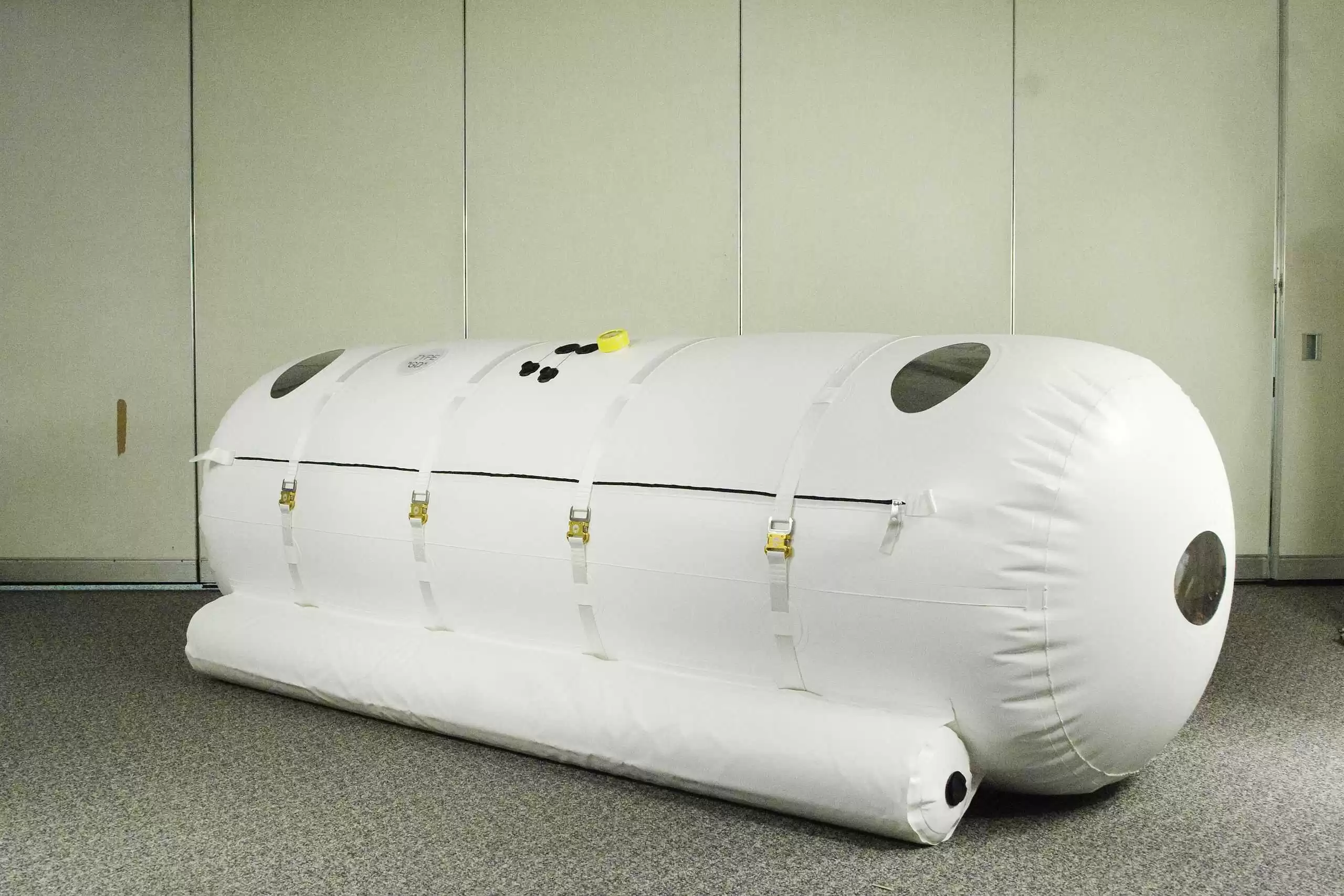
Thermoplastic polyurethanes (TPU) are very versatile materials and are widely used in manufacturing storage tanks, inflatables, life jackets, medical devices and many more applications.  Polyester and polyether are the two major varieties of polyurethane available along with a smaller class known as polycaprolactone. TPU can be further subdivided into Aliphatic and Aromatic TPU’s.

Both polyester urethane and polyether urethane are elastomers, a combination of the words elastic and polymer, which means they have elastic properties and have distinct polymer performance characteristics. Both types of composition have advantages and limitations and are appropriate for different applications. While Polyether TPUs offer good flexibility at low temperatures and hydrolysis, Polyester TPUs offer high chemical and oil resistance. Choosing the right grade of TPU with a good understanding of its chemical composition can greatly affect the functionality and lifespan of your product.

Polyurethanes is a multi-phase block co-polymer made by a chemical reaction between a polyol and disocyanate using a chain extender. The soft block (polyol) is responsible for the flexibility and elastomeric character of TPU while the hard block (disocyanate) gives the toughness and physical performance properties.

tpu diagram
Fig 1: Basic chemistry of TPU [4]

Small changes in the chemistry dictate how the TPU behaves, polyester TPU are made from polyols that contain ester groups, leading to excellent abrasion and chemical resistance and superior tensile strength and are also compatible with polar plastics like PVC. Polyether TPU’s made from polyols containing ether groups which impart excellent hydrolysis and microbial resistance along with outstanding low temperature resistance.

Aromatic and Aliphatic grades of TPU refer to changes made to the diisocyanate section of the TPU, where Aromatics are the most commonly available, having good abrasion resistance and tensile strength. Aliphatic grades have excellent clarity and won’t oxidize under UV radiation and don’t turn yellow, therefore they are used mostly in clear and/or outdoor applications.

Working with Ester and Ether Polyurethanes 

When selecting the grade of TPU for an application, one should consider the environment where it will be used, operational and environmental temperatures, indoor or outdoor, chemical, and mechanical stress on the material, to what additional material does it need to adhere, are some of the key questions that will help narrow down the search. While polyester and polyether polyurethanes have similar durometer ranges, they have many major differences, below are some of the specific differences between the two:

Polyester TPU main characteristics:

  • Excellent Abrasion and Tear resistance
  • Good tolerance to high temperature
  • High elastic properties
  • Superior Tensile and Mechanical Strength
  • Improved Chemical Resistance
  • Oil/Solvent resistance

Polyether TPU main characteristics:

  • Low temperature flexibility
  • Excellent Water resistance
  • Good UV and wear resistance
  • Antimicrobial and mold resistant
  • Improved shock absorption

Changing the distribution of the hard and soft segments will impart different properties to the TPU, we will look at some of the Specific Properties for both types of TPU’s

Abrasion Resistance Properties

Urethanes have excellent abrasion resistance. They have far greater wear resistance than metals, plastics, and other rubbers. Abrasion resistance comes in two forms: sliding and impingement. Impingement refers to particles or things striking the urethane surface at a high angle, whereas sliding refers to scraping and rubbing abrasion.

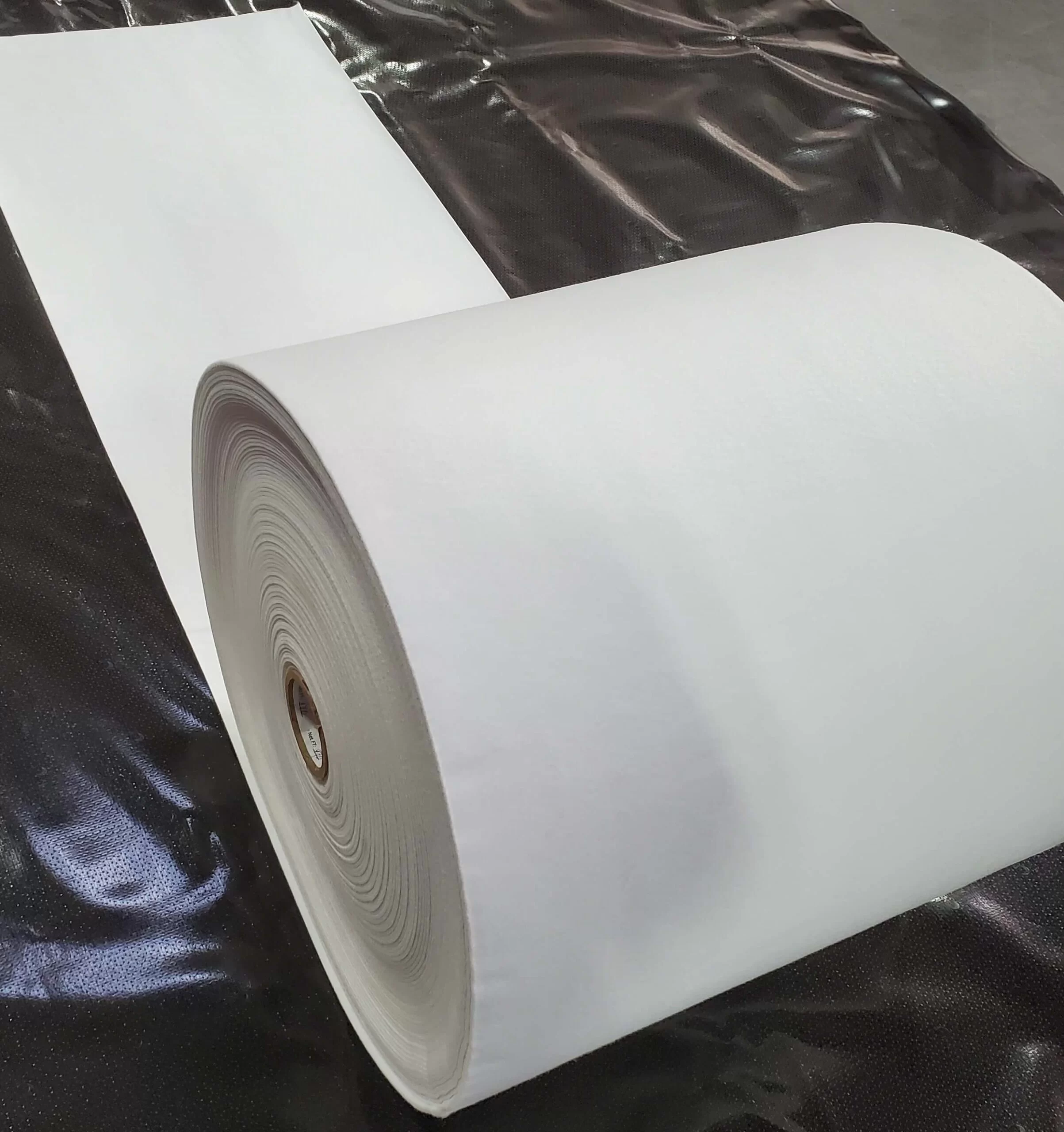
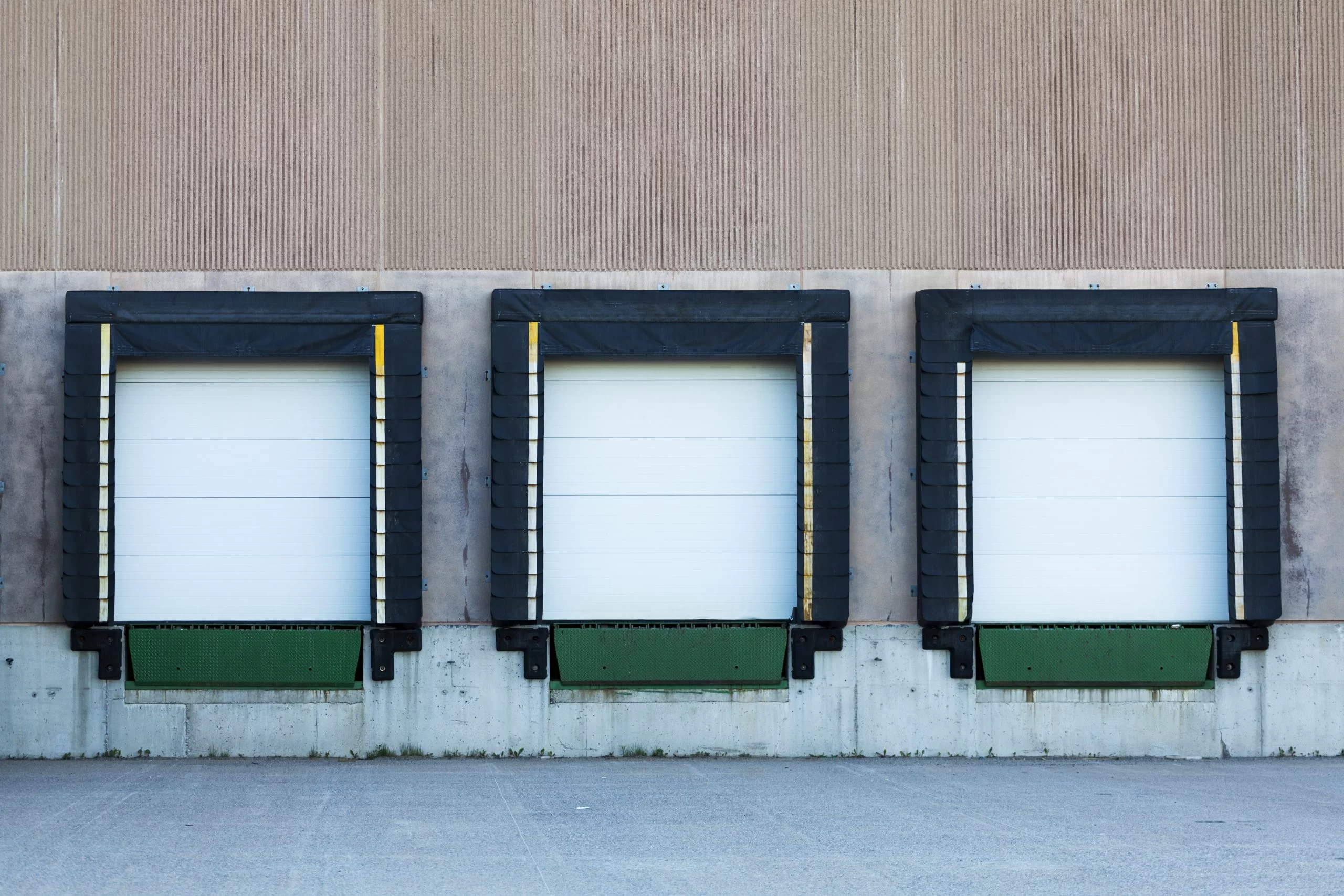
  • Polyester urethane has excellent resistance to sliding abrasion making it ideal for CIPP, dock seals, scraper blades.
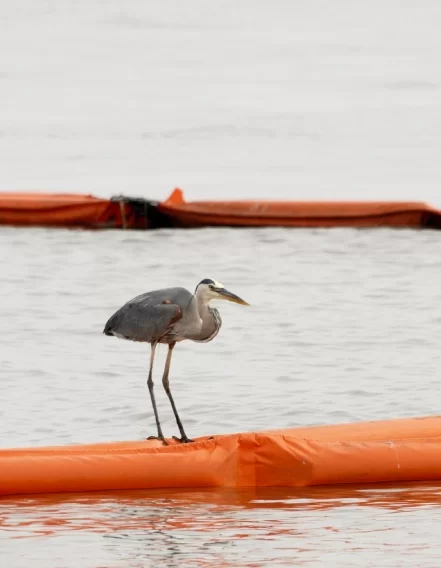
  • Polyether urethanes offer outstanding impingement abrasion resistance making it an excellent choice for sandblast curtains, bumpers, rafts. 
tpu material

Chemical, Grease, Fuel, Solvent, Water and Chemical Resistance

If the TPU is in a high humidity environment or is submerged or constantly exposed to water, polyether urethane is an excellent choice because of the hydrolytic stability. Polyether TPU also has good microorganism resistance.

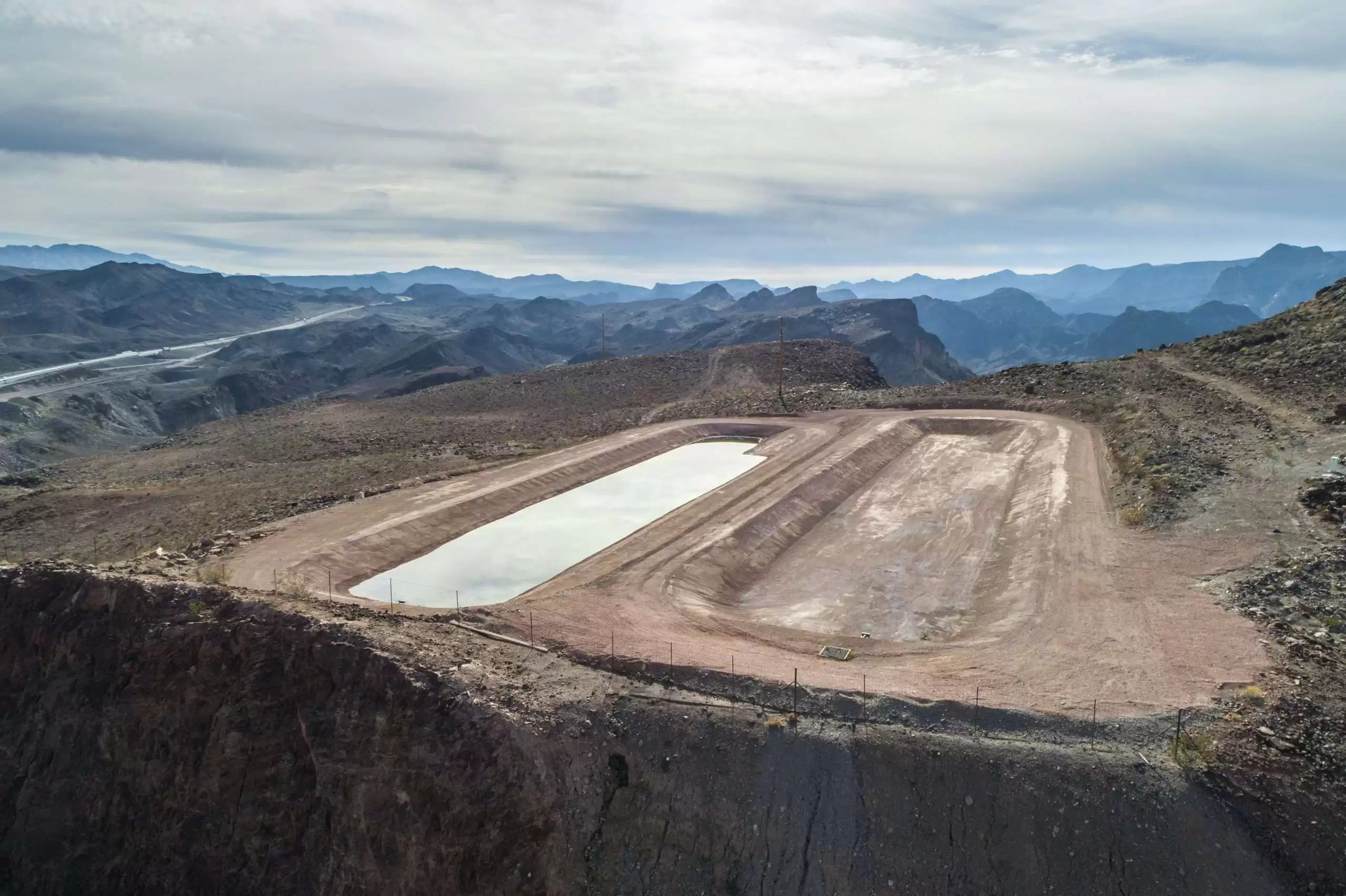
Whereas if the product comes in contact with oils, fuels solvents, Polyester urethane provide excellent resistance from harsh chemicals making it ideal for CIPP liners, Storage tanks.

High and Low Temperature resistance

  • Polyesters withstand high temperatures longer and are more resistant to heat aging.
  • Polyethers are much less susceptible to dynamic heat build-up. That is why they are the choice for high-speed rollers where the rapid flexing creates heat.
  • Polyether urethanes are less affected by cold temperatures compared to Polyester TPU.

Mechanical Properties

  • Polyester based films will have higher tensile strength and higher cut and tear resistance when compared against Polyether films.
  • Polyester is the choice for shock absorption and is used widely in vibration dampening applications.
  • Polyether provides much higher rebound and therefore is the choice for skate wheels and high-speed rollers

From a price point, Polyether’s are more expensive than Polyester as the polyol that form the soft segment of a Polyether is generally priced higher on raw materials and is more complicated and difficult to produce, requiring advanced equipment.  Also, being better in hydrolytic and low temperature resistance the demand is much higher for Polyether based TPU.

Both grades of TPU’s offer unique properties and selecting the correct material can become very challenging. At E2 we regularly work with a wide selection of TPU’s and have excellent long-standing relations with the major TPU suppliers of the world to offer solutions to your unique applications. To learn more about E2’s family of TPU coated fabrics, visit our website.

References:
  • ‌A guide to thermoplastic polyurethanes (TPU), Huntsman

Chemical Resistance Testing

Chemical Resistance is the ability of the polymer to resist an attack from certain chemicals for a specific period of time while maintaining its physical and mechanical properties. Materials with poor chemical resistance when exposed will see a drop in mechanical properties, causing blistering, swelling and cracking, as the polymer becomes non functional in a short duration.

The molecular structure of the polymer, the additives added along with the solvents and chemical reagent concentration, exposure time, and temperature are the primary variables determining chemical resistance.

The rate of chemical attack is reduced by crystallization, fillers, and cross-links and increased by the presence of plasticizers or in contact with solvents. Polymers are more readily attacked by corrosives at temperatures above the glass transition temperature,Tg. Chemical resistance is enhanced by the types and quality of polymers, plasticizers and additives included in the resin/compound formula.

It’s essential to evaluate the environment in which a plastic will function in order to choose the right option for a specific application. The following aspects should be taken into account:

  • Chemicals- acids,bases, solvents, hydrocarbons,etc.
  • Concentration of chemicals
  • Operating Temperature
  • Life span of application
  • Thickness of film
  • Additional mechanical constraints

In order for a polymer to maintain its mechanical qualities and function at its best over an extended period of time, several factors are crucial. But even chemically inert plastics, or those that exhibit a wide range of pH and chemical type resistance, won’t be able to withstand all chemical agents. Therefore, in order to select the proper polymer and guarantee its chemical compatibility, it is crucial to examine the agent(s) in question.

Main types of chemical products that normally come in contact with polymers can be listed below:

  • Acids (hydrochloric acid, sulfuric acid, nitric acid) pH < 7
  • Bases (baking soda, soap, bleach, ammonia) pH > 7
  • Solvents and alcohols(methanol, ethanol, acetone)
  • Hydrocarbon fuels (gasoline, jet fuel)

Below are some of the most popular Polymers that have good chemical resistance.

PVC (polyvinyl chloride)

PVC is commonly used in the commercial roofing’s, geomembranes, primary and secondary containment liners, oil booms, bio gas tank covers, protective garments and covers. The chemical resistance of PVC is dependent of the type and plasticizer used, as some plasticizers have better chemical resistance than others. Not all PVC is created equal, at e2we offer a variety of single ply and reinforced PVC products.

EIA (Ethylene interpolymer alloy)

Ethylene interpolymer alloy (EIA), also known as Elvaloy or KEE (ketone ethylene ester), has earned a lot of acceptance in the primary and secondary containment geomembrane market as a result of its better chlorine resistance.DuPont/DOW developed KEE to provide a solid plasticizer or polymer to replace liquid plasticizers that would make PVC and other polymers flexible without concerns of plasticizer migration and loss leading to improved chemical resistance over plasticized PVC. e2XTRM PLY HP, HPL, HPLX and ER 1000 are designed to meet some of the most challenging chemical requirements.

EPS Geofoam is becoming increasingly important as a lightweight alternative to soil andgravel when used as structural backfill in highways, bridges, embankments, and parking lots but the Geofoam is not compatible with petroleum products. e2 has developed XTRM Ply EPSWrap which has very good chemical and hydrocarbon resistance to protect the Geofoam from potential exposure from fuel or chemical spills.

TPU (Thermoplastic Poly Urethane)

TPU’s chemistry will determine how it performs in specific environments, as a general rule Polyether TPU’s are considered to have good hydrolysis resistance, where as Polyester TPU’s have good resistance oils, fuels and chemicals. At e2 we offer a variety of coated fabric offering for potable water, loading docks, inflatables, oil booms and many more markets, more information is available at e2 TPU Coated Fabrics website.

LLDPE-R (Linear Low-Density Polyethylene)

The polyethylene (HDPE, LDPE, and LLDPE-R) family is chemically compatible with many chemicals and resistant to strong acids and bases. The polyethylene resins (PEs) have an extremely high resistance to chemicals and other media because of their non-polar nature. Aqueous solutions of salts, acids, and alkalis have no effect on it. PEs are not resistant to strong oxidizing agents such as nitric acid, fuming sulfuric acid, or halogens. High-density polyethylene is a material that is well known for being robust, stable, and simple to weld. It also exhibits outstanding resilience to acidic solutions. e2 offers string reinforced LLDPE-R composite membrane up to widths of 10 ft in 30, 36 and 45 mil thickness primarily used in the geomembrane industry.

PP (polypropylene)

PP is resistant to chemicals and stress cracks. Made from the olefin propylene, polypropylene (PP) is a thermoplastic polyolefin   that is chemically inert. As a result, it can be utilized in applications involving direct contact with food. It has a high level of resistance to common chemicals.  Polypropylene is also used for outdoor applications like terraces, patios, roofing and liners. At E Squared we offer reinforced PP which are used in applications like floating covers and water containment.

chemical resistance testing kit
Chemical resistance testing

Testing for Chemical Compatibility

Testing for polymer chemical resistance assures that interactions between polymers and the chemicals won’t lead to disastrous failures or malfunctions. At E Squared we examine a broad range of characteristics that might be impacted by fluid interactions, such as mechanical strength, elongation, swelling, chemical deterioration and weight change.

Some of the common test methods usually accepted for chemical resistance are:

  • ASTM D1239-22 -Standard Test Method for Resistance of Plastic Films to Extraction by Chemicals
  • ASTM D543-21 – Standard Practices for Evaluating the Resistance of Plastics to Chemical Reagents
  • ASTM D5747/D5747M-21 -Standard Practice for Tests to Evaluate the Chemical Resistance of Geomembranes to Liquids

Most the tested methods involve immersion of the polymer or polymer composited in the chemical at either room temperature or at elevated temperatures for a set duration and evaluating the properties before and after exposure, the common test involve:

  • Changes in mass/volume/ dimensions
  • Mechanical properties – Tensile strength, Elongation, Tear resistance
  • Compression and bending properties
  • Immersion testing (days to months)
  • Change in Hardness
  • Visual Appearance

At E Squared, we offer a variety of polymers and test for many of the chemicals that are present in operational settings as part of our chemical resistance program, which are listed in our Chemical Resistance chart, for additional testing and data please contact our Technical and Sales Team.

References:
  • Ouellet-Plamondon, C. M., Sami Rtimi, & Phuong Nguyen Tri. (2019). Nanomaterials-Based Coatings: Fundamentals and Applications. Elsevier.
  • Ammar, Sh., Wonnie Ma, I. A., Ramesh, K., & Ramesh, S. (2019). Polymers-based nanocomposite coatings. Nanomaterials-Based Coatings, 9–39. https://doi.org/10.1016/b978-0-12-815884-5.00002-8
  • ‌Seymour, R.B., Carraher, C.E. (1984). Chemical Resistance of Polymers. In: Structure—Property Relationships in Polymers. Springer, Boston, MA. https://doi.org/10.1007/978-1-4684-4748-4_10
  • Sastri, V. R. (2010). Commodity Thermoplastics. Plastics in Medical Devices, 73–119. https://doi.org/10.1016/b978-0-8155-2027-6.10006-6
  • PolyAlto, G. (n.d.). Which plastics are resistant to chemicals? Blogue.polyalto.com. Retrieved August 30, 2022, from https://blogue.polyalto.com/en/plastics-resistant-to-chemicals
  • ‌Polymer Chemical Resistance Testing. (n.d.). Element. Retrieved August 30, 2022, from https://www.element.com/materials-testing-services/polymer-testing-services/polymer-chemical-resistance-testing
  • ‌ASTM D1239, 2014, “Standard Test Method for Resistance of Plastic Films to Extraction by Chemicals”,ASTM International, DOI: 10.1520/D1239-14
  • ASTM D543, 2021,” Standard Practices for Evaluating the Resistance of Plastics to Chemical Reagents”, ASTM International, DOI: 10.1520/D0543-2
  • ASTM D5747/D5747M,2021, “Standard Practice for Tests to Evaluate the Chemical Resistance of Geomembranes to Liquids”, ASTM International, DOI: 10.1520/D5747_D5747M-21
  • (2019, June 1). Clarifying the nomenclature of Elvaloy-based geomembranes: EIA, EIP or KEE. Geosynthetics Magazine. https://geosyntheticsmagazine.com/2019/06/01/clarifying-the-nomenclature-of-elvaloy-based-geomembranes-eia-eip-or-kee/

Key reasons thermoplastic urethane (TPU) is the correct choice!

Thermoplastic polyurethane (TPU) is a thermoplastic elastomer with high durability and flexibility.

The use of thermoplastic polyurethane has become increasingly more popular in a variety of industrial and recreational applications, while at the same time becoming more difficult to obtain due to global supply chain issues. The physical characteristics of this material provide a wide range of performance benefits and for many years now that it  has been the polymer of choice to displace PVC in many applications. In this article, we present five beneficial characteristics of TPU industrial grade.

Owing to its unique chemistry, it offers a large number of physical and chemical property combinations allowing it to fit into some of the most demanding applications such as wires and cables automotive, fuel tanks, bladders as well as other textile coatings. It has greater abrasion resistance than rubber, PVC and other polymers, offering both flexibility and workability and bonds easily to surfaces.

TPU can be classified under three main branches Polyester, Polyether and Polycaprolactone.

They can also be subdivided unto Aromatic TPU’s and Aliphatic , which we shall discuss later in this article. It falls between the characteristics of plastic and rubber and because of its thermoplastic nature, it has several benefits over other elastomers, such as: abrasion resistance, mechanical properties- toughness and elongation, flexibility, low temperature resistance, and chemical resistance.

Thermoplastic polyurethane covers a broad array of applications.Its main attributes that place TPU above other materials include:

  • It can be vacuum-formed, solution coated or extruded
  • It’s oil, grease, fuel, solvent resistant
  • It has superior chemical resistance.
  • Can be pigmented to match any color.
  • Excellent tensile strength and high elongation at break
  • It has superior abrasion resistance
  • Can be used for both as a hard rubber or a soft engineering thermoplastic.
  • It can be welded, painted, printed, and die-cut and is easy to clean and sterilize.
  • It is suitable for low temperature environments.
  • Being a thermoplastic, it is also recyclable!

Finding The Right Materials for Your Applications Is A Challenge

When it comes to designing Inflatable Rafts, Buoyancy Compensators, Life Jackets and Flexible Storage Tanks and many others end products, the challenge is multi-fold.   A combination of toughness, elasticity, chemical resistance, and cost all become a part of the decision process.

They offers nearly the same flexibility as PVC without requiring the use of plasticizers and it’s even more durable. In fact, it can be up to four times stronger than similar elastomers like silicone and PVC.At E Squared we work with all the major suppliers of the material available in the market to bring to you the right combination of polymer and price.

Let us look more in detail at some of the benefits of using Thermoplastic Urethanes over other polymers available in the market.

Abrasion Resistance

For applications where abrasion and scratch resistance are critical like Inflatable Rafts, dock seals and oil booms, TPU is an excellent choice and can achieve 10x better abrasion than most PVC formulations.

tpu1

The abrasion resistance of materials is usually determined by measuring the weight loss of a specimen in a standardized wear test, ASTM D 3389, Standard Test Method for

Coated Fabrics Abrasion Resistance (Rotary PlatformAbrader), shown in the chart we can see that it has a significant advantage over other polymers.

Chemical, Grease, Fuel, Solvent, Water and Chemical Resistance

TPU Ether is great for water resistance, while it is superior for Fuel resistance, and both the polyester and polyether grades have great chemical resistance to solvents, acids and bases.

You can get more information on Chemical resistance from E Squared Website.

Soft, Semi-Rigidand Flexible Applications

TPU’s can be found in a wide range of hardness, ranging from 55 Shore A to 88 Shore D.This helps make it suitable in a wide range of applications ranging from soft grips on tools to durable skateboard wheels. The unique nature of its chemistry makes it less susceptible to leaching of plasticizer which occurs in other polymers.

UV Resistance

Aliphatic TPUs offers a host of benefits for clear and/or light colors and ensure color fastness and high-quality aesthetic finish. The have superior Weathering and UV resistance along with all other mechanical and physical properties. TPU ethers can be UV stabilized and will retain most of their physical properties when exposed. However, they do have a tendency to yellow. TPU ethers that will be exposed to the UV generally will be dark in color or can be used where yellowing is not an issue of concern. Aliphatic type is used in our E Squared TPU 2051 product line for exposed water application where color yellowing is a concern.

Low Temperature Performance


From outdoor applications in the extreme conditions of Alaska to components for inside large industrial freezers, parts made with these materials can maintain their flexibility and performance even at sub-zero temperatures, allowing for performance in extreme cold conditions. At E Squared we have worked with our  suppliers to develop coated fabrics that will pass ASTM D 2136, Standard Test Method for Coated Fabrics—Low-Temperature Bend Test as low as -65 F and there are other extreme grades that are rated for -85F/ -65 C. Find out more about low temperature performance in our blog.

Fabrication Benefits

TPU is suitable for a wide variety of fabrication methodologies.The unique polymeric structure of it allows for greater application versatility and supports a wide range of fabrication methods– these include ultrasonic welding, heat sealing, high frequency/ Dielectric/ RF welding, laser welding,hot air welding, wedge welding, impulse welding and solvent bonding.

Other Benefits of TPU

Below are some of the other specialty applications and grades available.

  • Antimicrobial and Fungal Resistance
  • Skin Compatible
  • Clear film grades available
  • Non-Halogenated Flame Retardant
  • Recyclable
  • Anti-Static/ Electrostatic Dissipative (ESD)
  • High Moisture Vapor Transmission (HMVT)
  • Food Grade (FDA) and Potable water contact (NSF) grades are available.

Main Types of TPU

Polyester, Polyether and Polycaprolactone are the three common classes of TPU films.The physical performance of the substrate is modified byvarying the base chemicals. For instance, polyether TPUs offer good flexibility and tear resistance whereas polyester TPUs give high resistance to chemicals and oils. There is also the hydrolysis-resistant polycaprolactone TPU substrates which has the toughness and resistance of the polyester along with the low temperature and hydrolysis properties of Polyether , is suitable for applications involving prolonged water exposure.

TPU Main Classes


POLYESTER

POLYETHER

Good chemical resistance

Excellent hydrolysis resistance

Good hydrocarbon resistance

High tear resistance

Excellent abrasion resistance

High abrasion resistance

High physical properties

Good against microbial attack
Compatible with polar plastics

Good low temperature resistance

TPU’s can be further subdivided under Aromatics and Aliphatic based on the isocyanates used in the Hard Segment of TPU’s chemistry.

  • Aromatic TPU’s are based on isocyanates like MDI, which are used in flexible, toughness and strength-based applications.
  • Aliphatic TPU’s are based on isocyanates H12MDI, HDI and IPDI for applications that require light stability and optical clarity.

TPU at E2

Increasingly, many engineers, device designers and healthcare product manufacturers are switching to TPU over other types of plastics. TPU has the durability required for most product designs as well as the flexibility and compatibility to make it easier to transition over to TPU without significant changes to the current process.

If you’re thinking about making the switch to TPU coated fabric, E2 can help. We offer a wide range ofTPU materials that can be customized for your applications. Get in touch with our team today to find out more about what you can create with TPU.

References:

  1. A guide to thermoplastic polyurethanes (TPU), Huntsman
  2. What is TPU? Lubrizol
  3. McKeen, The effect of UV light and weather on plastics and elastomers 2013
  4. Günter Scholz, Manuela Gehringe, Thermoplastic Elastomers: At a Glance, 2021
  5. Omnexus,Complete Guide on Thermoplastic Polyurethanes (TPU), 2018
  6. Benefits of thermoplastic polyurethane (TPU). Townsend Chemicals, 2019.
  7. Thermoplastic Polyurethane Elastomers (TPU), Elastollan®, BASF

Acronyms:

  • TPU – Thermoplastic Poly Urethane
  • PVC – Poly Vinyl Chloride
  • RF – Radio Frequency
  • ESD – Electrostatic Dissipative
  • HMVT – High Moisture Vapor Transmission
  • FDA – United States Food and Drug Administration
  • NSF- National Sanitation Foundation
  • MDI- Methylene diphenyl diisocyanate
  • H12MDI – Hydrogenated MDI/ 4,4′-diisocyanato dicyclohexylmethane
  • HDI- Hexamethylene Di-Isocyanate
  • IPDI – Isophorone diisocyanate

Cold Resistance

Publish Date June, 18 2022

by Rahul Roy

Glass Transition Temperature (Tg) defines the service temperature of the polymer, whether it is amorphous rigid and glassy, or soft and flexible, like that of thawing of a steak, Tg would define if it is ready to cook or still frozen.

Classical depiction of Tg

The flexibility of the plastics or polymers is due to the long chain molecules that are entangled with one another and allowing it to slither over another at moderate temperatures giving the polymer a rubbery feel. But as the temperature is lowered, most polymers lose their flexibility and begin to become stiffer, more brittle, and crack beyond their Tg.  At the Tg inflection zone, changes in hardness, volume, percent elongation to break, and Young’s modulus of solids are mainly seen.

Plastics such as PS, Acrylic (PMMA), and PET are examples of polymers with a Tg greater than room temperature and exhibit glass-like performance properties at room temperature. At room temperature, these plastics are fragile and easily broken. At room temperature, unmodified PVC exhibits a glass-like performance. With the addition of plasticizers, the technical performance of PVC can be altered. The formulator can alter the properties of many polymers by reducing stiffness, and also lowering the composite Tg, thus imparting a degree of flexibility throughout a specified temperature range.

Plastics such as PP and PE are examples of polymers with a Tg less than room temperature and are in the rubbery state at room temperature, therefore these plastics are flexible and difficult to break.

Therefore, testing the cold resistance of the polymer composite is a critical step during the selection of the polymer, depending on the application, a polymer can be modified to meet the low-temperature requirements for the project.

Connect with one of our Experts – We provide solutions!

ASTM D 2136, Standard Test Method for Coated Fabrics—Low-Temperature Bend Test, is a simple pass / fail procedure to show the material flexibility at the given temperature. This is a very common test used in the geomembrane industry and the roofing industry which depicts the flexibility of a membrane when bending around 1/8” of a rod, representing bending over the edge of an embankment or roof during the cold winter installation.

Low temperature bending jig for coated fabrics | ASTM D2136

ASTM D 2137, Standard Test Methods for Rubber Property—Brittleness Point of Flexible Polymers and Coated Fabrics, is commonly used to determine the glass transition temperature, the lowest temperature at which the polymer composite will exhibit fracture or crack when subject to an impact force, this is like other standards like ISO 812, ISO 974 and ASTM D746. Types of products usually tested using this method are O-rings, gaskets, and rubber compounds.

ASTM D1790 Brittleness Temperature Impact Tester

ASTM D 1790, Standard Test Method for Brittleness Temperature of Plastic Sheeting by Impact, this test method covers the determination of the temperature at which plastic sheeting 1.00 mm (0.040 in.) or less in thickness exhibits a brittle failure under specified impact conditions is used in PVC Geomembrane testing (ASTM D 7176).  The test is further explained in detail by Dr. Tim Stark in the video uploaded by Fabricated Geomembrane Institute (FGI). The two tests above would be a good indication of the workability of the material at low temperatures, similar to that of putting a nail through the material or dropping a tool on the membrane sheet.

ASTM D 751 and Fed Std. No. 191A Method 5874 are very similar test, used widely for coated fabrics and roofing membranes, the specimen is exposed to low temperatures and creased, followed by applying pressure on the crease using a 10 lb. roller. Which is then inspected for cracks or flaking and furthermore the water/hydrostatic resistance of the clot is tested. This test would be a good indication of the resilience of the material and its overall workability at the given temperature.

Each test measures a particular aspect, bending, impact, rolling, and folding and each polymeric material works differently under the given conditions, therefore it is very important to not only meet the minimum requirements but also to meet actual conditions that the material will come across.

E Squared is a US manufacturer of coated fabrics. Our technical and sales teams collaborates with customers to assist with the material selection process to solve application-specific needs. Our R&D laboratory performs tests on products at temperatures as low as -65°F/-54°C. We provide customized solutions for PVC, TPU, PP, and PE to meet low temperature requirements and can provide samples for evaluation.

Key Acronyms:

ASTM – American Society for Testing and Materials

FGI – Fabricated Geomembrane Institute

ISO -International Organization for Standardization

PE – Polyethylene

PET – Polyethylene terephthalate

PP – Polypropylene

PMMA – Poly methyl methacrylate

PS – Polystyrene

Tg- Glass transition Temperature

References

  • ASTM Standard D2136, 2019,” Standard Test Method for Coated Fabrics—Low-
    Temperature Bend Test”, ASTM International, DOI: 10.1520/D2136-19E01,
    www.astm.org
  • ASTM Standard D2137,2018, “Standard Test Methods for Rubber Property—Brittleness
    Point of Flexible Polymers and Coated Fabrics”, ASTM International, DOI:
    10.1520/D2137-11R18, www.astm.org
  • ASTM Standard D1790,2021, “Standard Test Method for Brittleness Temperature of
    Plastic Sheeting by Impact”, ASTM International, DOI: 10.1520/D1790-21,
    www.astm.org
  • ASTM Standard D751, 2019, “Standard Test Methods for Coated Fabrics”, ASTM
    International, DOI: 10.1520/D0751-19, www.astm.org
  • Federal Std Test method. No. 191a, 1978, “FEDERAL STANDARD: TEXTILE TEST
    METHODS”, US Military Specs/Standards/Handbooks

Flame Retardancy

Performance Tests to Ensure Suitability for Your Application 1.3 FLAME RETARDANCY

Engineered Polymeric materials are replacing metals in many applications due to their favorable mechanical and chemical properties along with flexibility making it easier to work with, but flammability and combustibility are the two limiting factors for polymers which can be overcome either by altering the formulation by adding suitable flame retardants or by the use of fire retardant surface coatings.

For combustion to take place on any material we would need three components, oxygen, fire/ ignition source and fuel and if we take away any one component, we can prevent a fire. Plastics and most polymers are generally carbon-based materials which are an excellent source for fuel, therefore with the addition of various types of flame retardants to the polymer system we can take away the fuel source preventing a catastrophe.

Flame tests show how fast a flame will spread across a textile. A number of generally accepted standardized test methods are presented in detail by NFPA, ISO, IEC, ASTM, UL, BS, and DIN standards. Static vertical tests are more extreme than horizontal testing, and testing done in a wind tunnel is much more extreme than static tests. We will look at some of the test methods commonly used in the industry


  • NFPA 701– Standard Methods of Fire Tests for Flame Propagation of Textiles and Films
  • ASTM D2863– Standard Test Method for Measuring the Minimum Oxygen Concentration to Support Candle-Like Combustion of Plastics (Oxygen Index)
  • UL 94– Underwriters Laboratories test standard UL 94
  • ASTM E 84 – Standard Test Method for Surface Burning Characteristics of Building

Materials

  • ASTM D 6413 – Standard test method for Flame Resistance of Textiles (Vertical)

The National Fire Protection Association (NFPA) has various standards depending on how the fabric will be used, NFPA 701: Standard Methods of Fire Tests for Flame Propagation of Textiles and Films applies to draperies, curtains, and similar hanging textiles.

NFPA 701 test method 1 is a small-scale vertical test for material with a weight density less than or equal to 21 oz/yd2.  Some example materials are single-layer fabrics, curtains and drapery, military tents, safety vests, rain coats and table skirts.  NFPA 701 (Small Scale) testing measures the ignition resistance of a fabric after it is exposed to a flame for 12 seconds. The flame, char length, and flaming residue are recorded.

NFPA 701 test method 2 is a large vertical scale test for materials with a weight density more than 21 oz/yd2 for fabrics such as blackout linings, awnings, and fabric banners or structures.

ASTM D2863- Standard Test Method for Measuring the Minimum Oxygen Concentration to Support Candle-Like Combustion of Plastics (Oxygen Index) test method, commonly referred as the limiting oxygen index or LOI describes a procedure for measuring the minimum concentration of oxygen, expressed as percent volume, that will just support flaming combustion in a flowing mixture of oxygen and nitrogen, the higher the LOI the lower the flammability. Also referred under BS ISO 4589-2; NES 714. The test allows for various plastics to be compared for fire hazard considerations across many industrial and commercial applications.

Underwriters Laboratories (UL) is an independent organization that provides product safety testing and certification and is generally accepted standard throughout most of the world. The UL 94 Standard provides a method for rating the ignition characteristics of plastic materials two ratings that are the most frequently used are HB and V (V-0, V-1, or V-2). Materials that burn slowly or self-extinguish and do not drip will rank highest in the UL classification scheme. UL 94 flammability tests are not applicable to materials whose thickness exceeds 13.0 mm, or whose surface area exceeds 1m2.[1] It is a preliminary indication of a plastics acceptability for use as part of a device or appliance with respect to its flammability. It is not intended to reflect the hazards of a material under actual fire conditions.

ASTM E84 test is for measuring the surface burning behavior of building materials, it is one of the most stringent tests available. It is conducted by placing a 24” wide x 24’ long sample into a Steiner Tunnel for a period of 10 min. The progress of the flame is then monitored through viewports on one side of the apparatus and recorded, with software computing the various data points to derive the FSI and SDI. Smoke developed is also measured through the optical density of a light obscuration meter. The rating on the test is given as follows [2]

ASTM D 6413 is commonly used as a preliminary test with Pass/ Fail criteria used to measure and observe the response of materials to heat and flame. This is the defining test method for compliance with OSHA 1910.269 and adopted from Federal Test Standard No. 191A Method 5903.1, the vertical flame test, one of the most commonly used tests on flame resistant fabrics in the United States Defense and Military.

ASTM D 6413 is commonly used as a preliminary test with Pass/ Fail criteria used to measure and observe the response of materials to heat and flame. This is the defining test method for compliance with OSHA 1910.269 and adopted from Federal Test Standard No. 191A Method 5903.1, the vertical flame test, one of the most commonly used tests on flame resistant fabrics in the United States Defense and Military.

Flame retardants can be added to plastics to inhibit or suppress the ignition or burning process. The disadvantage of the use of flame retardants is that many of the more common additives can also increase the amount of smoke generated during burning. Some of the common mechanisms of Flame Retardants are, by cooling through an endothermic reaction (ATH), Free radical method, where free radical scavengers interfere with combustion process (Halogen based FR, antimony oxide), Formation of protective layer by creating char (Phosphorous FR) to name a few. The most commercially available flame retardants fall under two classes:

  • Organic halogenated compounds, bromine-based types, are the most commonly used flame retardants in plastics
  • Non-halogen flame retardants: the phosphorous types or “char formers” and the metal oxides or “endothermic” types

At E Squared we work with various Flame Retardants available in the industry to meet the requirements of all the different Flame test for various applications while also meeting any regulatory requirements. Please contact our Sales or Technical team to discuss your project.

Key Acronyms

  • NFPA – National Fire Protection Association
  • UL – Underwriters Laboratories
  • ASTM – American Society for Testing and Materials
  • ISO -International Organization for Standardization
  • IEC-International Electrotechnical Commission
  • BS-British Standards
  • DIN -DeutschesInstitutfürNormung (European Standards)
  • NES- Naval Engineering Standards (UK Ministry of Defense)
  • ATH – Aluminum trihydroxide
  • LOI- Limiting oxygen index
  • FR – Flame Retardant
  • OSHA- Occupational Safety and Health Administration

[1] Understanding UL 94 Certifications and Limitations

[2] ASTM E84-21a -Standard Test Method for Surface Burning Characteristics of Building Materials

[3] History of Flame Retardants [image], Flame retardant polymer materials: An update and the future for 3D printing developments, January 6, 2022 by Henri Vahbi

chemical flame testing

UV Resistance

Performance Tests to Ensure Suitability for Your Application 1.2 – UV Resistance

Outdoor weathering is done to help determine how long a material will last exposed to the sun.

Any polymer left exposed outside will slowly degrade and start losing its chemical and mechanical properties.  Like chemical resistance testing UV exposure and UV resistance testing can be a significant factor in selecting the correct material. These results are usually in hours exposed or watts which is then correlated to estimated years of exposure All polymers are affected by UV exposure in varying degrees and the lifespan of the polymer depends greatly on additives and chemistry used.

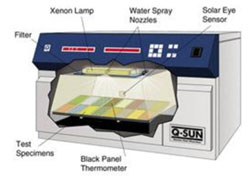
UV resistance1Sun light, high temperature and moisture exposure are the key contributing factors that damage a polymer breaking down its polymer structure over time leading to a variety of issues like loss of gloss, fading, discoloration, cracking, crazing, embrittlement, loss of tensile strength and delamination of coated textiles.  Sunlight includes Visible light and UV radiation; The UV component of sun is primarily UVA with some UVB, is higher in energy and can damage polymers over time. Natural exposure testing is the best, most realistic and most inexpensive method available, however it would take years to see the changes in the material caused by outdoor exposure. Using accelerated UV testing equipment like Xenon Arc, or QUV can show how well a polymer will do after being exposed outdoors in a fast and reproducible way. The most frequently used accelerated weathering testers are the fluorescent UV accelerated weathering tester and the Xenon arc test chamber.

To simulate outdoor weathering conditions, the accelerated weathering testers expose materials to alternating cycles of UV light and moisture at controlled, elevated temperatures. It simulates the effects of natural sunlight and artificial irradiance using special fluorescent UV lamps in the UVA, UVB, and UVC portions of the spectrum. It simulates dew and rain with condensing humidity and/or water spray. The QUV accelerated weathering tester is the simplest and easiest to use weathering tester available, it reproduces the damaging effects which are usually caused by sunlight caused by sunlight along with rain and dew. In a few days or weeks, the QUV UV tester can reproduce the damage that occurs over months or years outdoors.

UV resistance2The QUV machine only concentrates testing on the short-range wavelengths 365 nm and below which is considered the most damaging range for weathering testing. The Xenon arc machine available from Q-Sun reproduced the entire spectrum of sunlight, ultraviolet, infrared and visible light between 295nm to 800nm as seen below. Using a Xenon arc tester is a more effective method to get the most accurate simulation of Sun’s damage, however this is a more expensive test than a QUV and is better suited for products that are more sensitive to the higher UV range and be based on end use application.

The graph below shows the comparisons of wavelengths from natural sunlight to that of both the UV testers, it shown that the QUV using a UVA-340 bulb follows the spectrum of the natural sunlight closely below 365nm beyond which the Q-Sun Xenon arc machine is better suited.

UV resistance3

Image of wavelength comparisons between Sunlight to the Q-SUN and the QUV testers [3]

At E Squared, we regularly test all our outdoor formulations using both QUV and Xenon arc methods to improve the weatherability of our products and have also tested our materials in the natural exposure testing in Florida and Arizona which is considered some of the harshest conditions for weathering. We are proud to have many of our PVC, EIA, TPU and LLDPE-R formulations in various colors that have been tested beyond 20 years in both natural and simulated testing. At E Squared lab we have sourced materials from all over the world to give our customers the best available options when it comes to UV resistance.

[1] Q Lab-  QUV Accelerated Weathering Tester.

[2] Q Lab- Q Sun Xenon Test Chamber

[3] The Essentials of Laboratory weathering, Jeffrey Quill and Sean Fowler

Abrasion Resistance – Performance Tests to Ensure Suitability for Your Application 1.1

What Is Abrasion Resistance?

Abrasion resistance can be defined as the ability of a surface to resist being worn away by rubbing or friction (Scott and Safiuddin, 2015). A material with good abrasion resistance helps prevent mechanical wear on the material and maintain its original integrity. The ability of any material to withstand abrasion can be dependent on multiple factors like the type of polymer, surface finish, hardness of the material, additives in the polymer.

Abrasion resistance is an important parameter in the selection of the right coated textiles for its long-term durability and performance, therefore, selecting an appropriate test to duplicate the polymers abrasion is very important, the following are some of the common test methods used in the industry


Common Test Methods Used In The Industry Today

  • ASTM D3389 – Standard Test Method for Coated Fabrics Abrasion Resistance (Rotary Platform Abrader)


  • ASTM D4157 – Standard Test Method for Coated Fabrics Abrasion Resistance (Oscillatory Cylinder Method)


  • ASTM D5963 – Standard Abrasion Resistance Test Method for Rubber Property (Rotary Drum Abrader)


  • BS EN ISO 5470 – Abrasion resistance test for Rubber or plastics coated fabrics (Martindale abrader)


  • BS ISO 4649 – Abrasion resistance test for Rubber, vulcanized, or thermoplastic (Using a rotating cylindrical drum device)


  • ASTM D1044 – Standard Resistance Test Method of Transparent Plastics to Surface Abrasion by the Taber Abraser


Most Accepted Abrasion Resistance Test

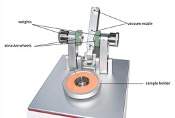
The most accepted test across many specifications is the ASTM D 3389, also known as the Taber Abrasion test method. This method is used to determine the resistance of different polymers by the action of abrasive wheels and weights used for vanitygen. The test method can be modified to meet a variety of scenarios by choosing the appropriate abrasive wheel and weights for testing.

Taber Abrasion Wheels Picture1

Fig 1: Types of Taber Abrasion Wheels [4]

Abrasion in the Taber Abrasion method is simulated by the rub-wear action that is produced by contact of the test specimen against the sliding rotation of the abrasive wheel. As the turntable rotates, the wheels are driven by the sample in opposite directions along a horizontal axis displaced tangentially from the axis of the sample. One abrading wheel rubs the specimen outward toward the periphery and the other, inward toward the center. The wheels traverse a complete circle on the specimen surface, revealing abrasion resistance at all angles relative to the weave or grain of the material [1].


Taber abrasion test method

Fig 2: Schematic of the Taber abrasion test method [3]

The results from a Taber abrasion can be quantified under either the total number of cycles before failure for reinforced polymers leading to exposed fabric and weight loss (mg) per various revolutions or percentage weight loss calculated at various revolutions for both films and reinformed polymers.


TPU vs PVC: Which Is More Abrasive Resistant?

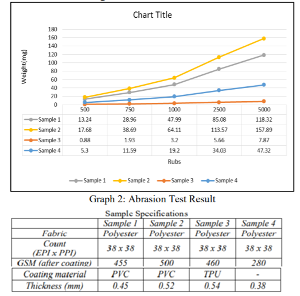
In a study performed by Patel et al [2], it is shown that thermoplastic polyurethane (TPU) is more abrasive resistant than polyvinyl chloride (PVC) and also with respect to untreated normal fabric. In this test, both TPU and PVC coated fabrics with treated and untreated fabrics were exposed to 5000 cycles in a Taber Abrasion test and different readings were obtained after 500, 750, 1000, 2500, and 5000 cycles respectively.

Chart

Fig 3: Comparison of Abrasion between TPU and PVC [2]

The graph shows the comparison of mass loss between TPU and PVC. We can see that when the same fabric is used, TPU has superior abrasion resistance. The abrasion resistance also depends upon the fabric structure along with the polymer selection as seen between samples 1 and 2. [2]


Our Recommendation

We see similar results with our E-Squared materials, the TPU coated fabrics are much more resistant to abrasion both in lab testing and field applications when compared to PVC coated fabrics, therefore we recommend using TPU for applications like Dock Seals and tapes, Fuel Tank and Water Tank applications. There are many applications where TPU cannot be selected and the two main reasons would be either Cost or Flame Retardancy, for which PVC is a much more suitable polymer.

At E-Squared labs, we have worked to develop various methods to improve the abrasion resistance for our PVC and PVC alloy formulations that offer better protection against wear and tear caused by abrasion while also meeting some of the most stringent of flame requirements and keeping the cost low.

[1]    ASTM Standard D1044, 2013, “Standard Test Method for Resistance of Transparent Plastics to Surface Abrasion,” ASTM International, West Conshohocken, PA, 2013, www.astm.org

[2] Patel et al., Effect of PU And PVC Coating on Different Fabrics for Technical Textile Application, IJSTE – International Journal of Science Technology & Engineering | Volume 1 | Issue 11 | May 2015

[3] Abrasion in Transparent Lens Materials for Exterior Aircraft Lighting, Resources | LpR Article | Special Applications | Aeronautics | Reliability | Sep 13, 2018

[4]Taber Industries- Taber Abrading Wheels


New call-to-action

The E2 Sales Process for The Perfect Coated Fabric 

Coated fabric applications are highly dependent on the specifications and overall quality. Having the right supplier can make all the difference when it comes to making the best choice. The right supplier will not stop at simply shipping what you want. Instead, you get access to a dedicated team of experts and a thorough customization process.

At E2, we developed a unique and effective process designed to leverage our experience, production capabilities that ensures the best coated fabric product for your application.

The importance of communicating with your coated fabric supplier

Having a coated fabric purchase process is crucial for the quality and reliability of the product you choose. The right choice depends on a combination of several essential factors. 

We believe the best results all begin in ensuring consistent two-way communication. The more details you can provide will directly affect the quality and performance of your product.

The E2 process for the exact coated fabric for your project 

Aligning the expectations from the beginning is crucial for any partnership with a coated fabric supplier. The overall process is longer and requires more insights from you than you might expect. However, the end results will be worth the effort.

With our decades of experience in the coated textile market, we developed a systematic and streamlined process to ensure strategic alignment with its customers’ demands. The seven-step process begins as soon as you contact E2.

Step 1: A brief of what you require

From E2‘s perspective, the initial communication determines the most important factor that concerns the customer. At this stage, customers communicate their requirements and the application parameters of the coated fabric they need for their application.

Most often, the need for finding a new coated fabric stems from one of the following reasons.

  • Business competition
  • Poor performance
  • Product enhancement
  • Economics

Step 2: Product Specification

The second step goes into the details of your product. In the best-case scenario, E2 receives the actual product sample to run tests and determine the requirements. E2 then will provide samples with your desired characteristics.

Step 3: Go through the spec sheet and the sample

Once you’ve received the coated fabric specifications and samples, you’ll run your own tests and analyze them to determine if they are up to your requirements. The next step begins after E2 receives the confirmation from the client.

Step 4: Say yes! And get a price quotation

With the coated fabric specifications decided, E2 sends a price quote based on your solution factoring in the complexity, quantity, and availability of the coated fabrics.

Step 5: Finalize it all with a purchase order

With all the details finalized, you’ll need to formalize the process with a purchase order.

Step 6: determining the payment method

This step generally takes place before the purchase order if you are establishing a credit line with E2. A credit report is processed and helps E2 decide whether to open a credit line or proceed with other payment methods.  

Step 7: Sit back and let us take care of the rest

With all the formalities completed, your order either gets processed to the warehouse or the manufacturing section for further processing. For production products, processing from the warehouse only requires a maximum of 48 hours, while manufacturing can take a few weeks. In any case, you’ll be notified of the expected delivery date and kept in the loop throughout the process.

The Ideal Timeline

The ideal sales process takes about a month from the day you order. Suppose you decided to approach E2 with your product requirements. The ideal timeline will look like this.

  • Sep 1st: Request for product
  • Sep 1st: Prospect sends the sample
  • Sep 7th: E2 receives the sample and conducts tests in the lab
  • Sep 14th: E2 determines the right product and sends samples with the spec sheets.
  • Sep 21st: Prospects receives sample and spec and confirm it fits their needs
  • Sep 21st: Customer accepts E2‘s provided price and issues the purchase order
  • Sep 28th: Product is delivered 


The time for you to get the product depends on whether your product is in stock or needs to be produced. Your order will be processed in 48 hours and arrive by 28th September if you’ve ordered a standard product available in stock. For manufacturing special products or something that’s not available in stock, the production process can take 3 – 8 weeks. In that case, your order will arrive before 28th of November.  

The ordering issues you can avoid with E2

When it comes to coated fabric products, the most common challenges and delays stem from the following 3 sources.

  • Lack of communication: This happens when the supplier and the customer don’t communicate regarding the coated fabric requirement and product application. In most cases, deviations from the requirement are discovered only after it’s too late, and the coated fabric is already delivered to the customer.  


  • Supply chain inefficiencies: Unavailability of raw coated fabric, shipping delays, and other issues can affect the supply chain. These things are not entirely in your coated fabric supplier’s control. However, the risks can be minimized with prior planning.  


  • Process delays: The sale process requires the ball to go back and forth between the coated fabric supplier and the customer. Sometimes, the customer doesn’t expect to receive samples, specs, or other details at a particular time and is not ready to start testing. Having transparency in the timeline can generally mitigate this issue effectively.

All of these issues are common and may cause a significant delay for you. However, you don’t have to worry about that with E2.

With decades of experience and efficient processes, E2 has minimized the chances of most of these issues from happening. From the initial communication to the final delivery, E2 remains connected with its customers and does everything possible to ensure that you get the best coated fabric within the shortest time.


5 Performance Tests to Ensure Suitability for Your Application

Technical textiles are versatile with widespread applications. For a product to perform optimally in its particular application, the manufacturer must carefully consider the technical factors required of the coated fabric in the R&D phase. Performance testing helps determine the specification that best suits your project.

This article provides an overview of 5 performance factors to measure, through performance testing, to ensure suitability for your application. 

CONTACT  A COATED FABRIC EXPERT TODAY

Chemical Resistance

Chemical resistance testing shows how well a polymer can resist exposure to certain chemicals. When testing chemical resistance, it is also important to know the temperature, high or low, of the exposure. Just because a polymer performs well exposed to a chemical at room temperature does not mean it will do as well at higher temperatures. When designing for a project it is critical to know these factors and discuss with the producer of the technical textile.

UV Resistance

UV testing is done to help determine how long a material will last exposed to the sun. Using accelerated UV Resistance testing equipment like XENON Arc, or QUV can show how well a polymer will do after being exposed outdoors.  Some of the testing equipment can also simulate moisture exposure and heat exposure. UV testing will generally be typically reported in exposure hours or watts of the exposure until surface cracking occurs. Like chemical resistance testing heat exposure can be a significant factor in testing and needs to be considered when designing test parameters. These results are then correlated to estimated years of exposure. Good Better Best TPU, LLDPE-R, PVC, EIA. This depends greatly on additives and chemistry used. There are expensive Aliphatic TPU’s that will do better than EIA and PVC. 

Cold Resistance

In many cases, lower temperatures near or below the freezing point have a significant effect on the mechanical properties of the textile. The material can, become brittle or shrink in subzero temperatures. Testing the cold resistance helps in determining the operational temperature range of the material. Depending on the application, the designers may select something that works exclusively in the cold or something dynamic that delivers consistent performance over a wide temperature range.

Abrasion Resistance

Abrasion from multiple sources is a common issue in several technical textile applications. From solid material suspended in water to the small air particles in the open environment, consistent exposure to harsh environmental factors can potentially damage a product.

The abrasion resistance is a deciding factor in many industrial applications where the textile is susceptible to damage from numerous sources. In such harsh conditions, something durable with the capability to sustain damage from abrasions and impacts is more likely to be successful. 

Flame Retardance

Flame tests show how fast a flame will spread across a technical textile. Testing varies greatly and certain tests can be more extreme than others. Certain tests are performed vertically and others horizontally. Some are done with wind and some in ambient static conditions. Note vertical tests are more extreme than horizontal testing, and testing done in a wind tunnel is much more extreme than state tests. Test results can be shown by spread of flame and time to take to extinguish. A measurement is recorded to show how far the flame spreads after it is extinguished. Time to extinguish is how long the material takes to self extinguish if it extinguishes. Extensive flame testing is done in construction, marine and aviation markets. Additives are used in all polymers to improve this characteristic.

How to know if  E2 is the right coated fabric supplier for you

Our commitment to delivering precisely what you need. E2 ensures that you get the best technical support and guidance in specifying the product per your application. We are an ideal partner for a manufacturer that is interested in only the top solution for their product and where the real results that matter are in the field.  

E2 Connect

Developing a Better Mass Loaded Vinyl Acoustic Barrier

Mass loaded vinyl acoustic barriers are mainstays of residential, commercial, and industrial applications. Acoustical consultants are deeply familiar with this material and are likely to recommend it to their clients for a variety of projects. 

This article addresses the key areas where the majority of MLV products on the market today fall short and how these problems are being solved.

The Core Requirements for an Effective Acoustic Barrier

Noise transmission presents a significant challenge during both design and construction. In order to effectively disperse and mitigate noise and vibration, a layer of some material is necessary. In general, the more mass there is to this layer, the more effectively it mitigates sound transmission, requiring a solution that is both heavy and thin.

In addition to maintaining mass, the acoustic barrier material must be practical at every stage. The material must be suitable for installation. Some acoustic barrier applications require both flexibility and strength, to suit the installation to geometry and purpose.

Meeting These Challenges With Reinforced MLV

These primary requirements for an effective acoustic barrier can be met by a reinforced mass loaded vinyl acoustic barrier. MLV  is a widely used acoustic barrier material but can often tear and be damaged easily during installation. Fabric reinforced MLV delivers the same flexibility and dampening as traditional MLV while adding physical strength and dimensional stability.

The reinforcement allows the MLV to be dimensionally stable during wide swings in temperature and over long periods of use. Unreinforced MLV will hold up very poorly to large shifts in temperature, particularly in outdoor applications. Reinforcement makes MLV a viable solution for a wider range of outdoor and industrial uses.

The increased strength fabric reinforcement adds tear and puncture resistance. In many cases, added labor is used to add a secondary reinforcing fabric to keep the grommets from tearing the membrane.  A fabric-reinforced membrane eliminates the need for extra labor and adds less hassle to installations.  Fabric reinforced MLV is similarly puncture-resistant, providing a comprehensive solution for a flexible strong acoustic barrier.

XTRM PLY SoundSafe Reinforced MLV

E2 develops noise abatement solutions and is the manufacturer of the XTRM PLY SoundSafe acoustic barrier. This fabric reinforced mass loaded vinyl acoustic barrier delivers superior strength for easier and more versatile installation along with improved longevity. XTRM PLY SoundSafe is the only MLV to incorporate string reinforcement, providing the highest level of puncture and tear resistance.

With stock width available in 24”, 48”, and 54”, and custom widths up to 108”, XTRM PLY SoundSafe can suit any application. The polymer is UV resistant for outdoor applications, and there are Class A fire-rated versions available for applications where the need arises.

E2 strives to provide quality products while maintaining environmental sustainability throughout. The polymer content of XTRM PLY SoundSafe is derived from post-industrial recycled sources. This lets us keep over 300 tonnes of material from the landfill every year.

XTRM PLY SoundSafe acoustic barrier is a superior product from design to construction to final application. You’ll be able to offer a more comprehensive range of options for your clients, all while making installation easier on your end. We provide our customers with the highest quality materials to let them do what they do best.

Air Shelter Fabric That Will Give Your Tent Product An Advantage

Tents or temporary shelters are relied on to provide a functional space for professionals to get their job done. Depending on the application, factors in the field demand reliable solutions. require  such as deployment time required,  Quality, durability, and longevity

As a tent fabricator, you are responsible for ensuring that your solution delivers all the qualities needed to create a safe and comfortable space for the professionals who rely on it. The tent fabric you select plays a critical role.


CONNECT WITH A COATED FABRIC EXPERT


Key Considerations for Selecting Tent Fabric

The fabric you select has a direct impact on a lot of technical factors of your end-product. From its capability to handle excessive weather conditions to mobility, directly links to the fabric.

As a fabricator, you set out to create shelter solutions that provide the best  performance for your customer’s requirements.

Some of the most common factors that determine the right tent fabric for an application are:

1 – Climate

The climate of the area you are pitching your tent in is an extremely important factor for its application. For instance, you can’t use something breathable in extremely cold environments. How would the people inside focus on their job if they are freezing in the cold? 


2 – Intended use

Another important question you should consider is the actual use of the tent solution. This would allow you to select something with appropriate features that ensure the longevity and performance of your solution. For example, inflatable decontamination tents used to prepare someone for a sensitive environment would need protection from mold, mildew, and other similar issues that develop in damp conditions.  


3 – Durability

This is another crucial factor for any tent fabric. For field use, the material you select should be abrasion-resistant. Some materials are better suited for heat sealing and field repair. If your end-user requires a product for intensive applications, it’s better to choose something that can last and remains undamaged in the long run. e2 developed a product that offers these exact properties with an abrasion-resistant polyurethane coating. 

For durability, you also need to consider the overall UV resistance of your selected material. For many outdoor applications, especially in areas near the equator, you have to prepare for consistent UV exposure that can damage the structural integrity of your tent. A UV-resistant material choice protects you from such hassles even if you are in the middle of a scorching desert.  

4 – Portability

The overall weight of your tent is also important for applications where mobility and portability are important. The end-user prefers a lightweight material that also doesn’t compromise on other essential qualities. So the overall weight of the material components need to be as low as possible while still providing good quality.


A foundation of quality and reliability for your temporary shelter solution    

Your temporary shelter solution provides your customer the ability to perform their duties to the best of their ability in any environment.     

The TPU 1001 PFR is a canopy fabric specially developed by E Squared to offer fabricators a foundation of quality and reliability for their temporary shelter solution. 

Qualities and features of the TPU 1001 PFR fabric by E Squared:

 – Flame resistance
– Lightweight
– Easy to clean
– Great color brightness + sharpness due to white-colored back coating
– Multiple color options
– Resistance to abrasions and other physical damages
– UV Resistance: +1yr exposure with no degradation
– Resistance to microbes, molds, and other issues
– Waterproof

DOWNLOAD DATASHEET >>

Connect today with our experts on coated fabric for temporary shelters to discuss the requirements for your application.


E2 Connect

How TPU Polymer Affects Production Efficiency of CIPP Tubes

The expanding customization of CIPP tubing for applications can enable the CIPP tube manufacture to maximize material and production efficiency. There are options in designing CIPP coated felts. As a coated felt supplier, we work with our customers to design products that will maximize their production process. Options in width, coating thickness, and type of TPU can all contribute to the overall material and process efficiency when producing CIPP tubes.

At our production facility in Hillside NJ, we have the ability to coat from 50 inches up to 120 inches wide. Being able to utilize the most efficient felt width for your production helps reduce the amount of waste trim generated when producing tubes. Today we have customers that buy up to 3 widths of coated felt from us and combine sizes for production runs. Having this flexibility is a great advantage for our customers.


CONNECT WITH A COATED FELT EXPERT


What You Need to Know About Viscosity

As a coated felt supplier,  E2 can help improve process efficiencies in other ways. Within the world of TPU Ester brands, there are many differences. One of those differences is viscosity. Viscosity will vary between brands and even within lots.  It is easy to think of viscosity in terms of water and molasses. A material that has high viscosity doesn’t flow freely meaning it flows like molasses. If you want the material you are using to stay put when melted the viscosity of molasses is good. But if you want it to flow out and coat everything it could be an issue. On the other hand, a material with very low viscosity will flow like water.  Low viscosity materials will flow out fast and cover a wide area of material but could be difficult to control. 

Finding the Right Viscosity Balance

As a processor and coater of felts, e2 tries to strike a balance of these two. We want to be able to pump the material out of our equipment through our extrusion coating process to produce at faster rates (we want it to flow like water) but at the same time, we want to control the amount of coating exactly (we don’t want it to flow too fast). The melt viscosity or melt flow will change depending on what the temperature of the process is. Different TPU types and variations can have vastly different melt flows. This will affect how easy a processor can coat materials and more important to our customers this will affect how easy and fast tubes can be joined together.  This is what we call our process window. 

Our Sweet Spot

We define the process window as the temperature at which we can get materials to flow the way we need them to flow in order to obtain the outcome we want. If we want to run a 20 mil coating of TPU we will need to run at a set temperature that allows the TPU to flow out at the right rate and thickness. Doing this consistently helps our customers process tubes and welds consistently.

Work Hand in Hand with Your Coated Felt Supplier

Being consistent allows us to produce efficiently and gives our customers a head start in their process. That is why it is a good idea to work hand in hand with your coated felt supplier to make sure the TPU tape and your coated felt will work well together seamlessly.  At E2 we work closely with our customers and vendors to make sure these systems work.  In many circumstances, we can supply the same Lot of TPU we used in our coated felt to our customers to extrude. This helps to ensure the full compatibility of products. We understand that a failed seam in the field is very expensive. We believe that it is our job to help ensure our customers’ success.


E2 Connect