Marine Safety Fabrics: 5 Critical Features of TPU-Coated Textiles for Life-Saving Gear

From Co2 triggered life vest and rescue rafts to emergency equipment and waterproof gear, marine safety products demand more than performance — they must protect lives. For manufacturers, sourcing the right TPU-coated nylon or polyester fabric is essential for building durable, regulation-compliant gear that withstands the ocean’s most extreme conditions.As marine safety evolves—with growing interest in bio-based TPUs, nanotech coatings, and enhanced fire resistance—knowing what to look for in marine-grade textiles is more important than ever.
Below are five essential performance features to consider when evaluating TPU-coated fabrics for marine applications:

1. Air Retention in Inflatable Life-Saving Systems

Air retention is non-negotiable in inflatable safety gear. Whether it’s a manually inflated raft or an automatically triggered life vest, the fabric must hold air under pressure and across temperature swings.

    • TPU-coated fabrics excel in maintaining internal pressure with minimal leakage.
    • New molecular bonding technologies deliver up to 40% greater air retention compared to earlier generations.
    • These textiles perform reliably in both polar seas and tropical waters.

E Squared is a global leader in Co2 triggered life vest bladder fabrics, trusted by marine safety brands across Europe and the U.S.

2. Chemical Resistance for Harsh Marine Environments

Marine textiles face continuous exposure to salt, oil, fuel, and industrial runoff. High-performance TPU-coated nylon resists:

    • Saltwater corrosion
    • Hydrocarbons and fuel spills
    • Abrasion and mechanical wear

Next-generation coatings are also shifting toward microplastic-free formulations, offering chemical protection while reducing environmental impact. Increased resistance to biofouling helps fabrics stay cleaner in warming, algae-prone waters.

3. Flexibility and Strength Under Stress

Life-saving fabrics must bend and fold repeatedly without tearing or losing integrity. TPU-coated materials provide:

    • Consistent elasticity after countless deployment cycles
    • Strength retention after prolonged UV or salt exposure
    • Polymer blends engineered for flexibility across extreme temperatures

These properties make TPU-coated fabrics the gold standard where durability, comfort, and safety must coexist.

4. UV Stability for Long-Term Outdoor Performance

UV radiation is among the most destructive forces for marine fabrics, leading to fading, cracking, and chemical breakdown. Advanced TPU-coated fabrics infused with UV stabilizers provide:

    • Resistance to both UVA and UVB degradation
    • Service lifespans of 15+ years under direct sun exposure
    • Superior outdoor weatherability with reduced color shift and cracking

For gear used in open-deck or unshaded environments, UV protection is critical to long-term performance

5. Compliance with Global Marine Safety Standards

Every marine textile must pass rigorous testing to meet international compliance benchmarks. In 2025, regulatory standards increasingly focus on:

    • Lifecycle assessments and recyclability
    • Fire resistance and safety under extreme conditions
    • Compatibility with circular economy requirements

E Squared’s TPU-coated fabrics are engineered to meet or exceed ISO, SOLAS, and international marine safety certifications, ensuring your products remain market-ready as standards evolve.

The E Squared Commitment to Marine Safety Innovation

Every marine project has unique requirements, but the best fabrics consistently deliver on air retention, chemical resistance, flexibility, UV durability, and compliance.

At E Squared, our TPU-coated textiles for Co2 triggered life vest, rafts, and inflatables are designed with these priorities in mind — helping manufacturers build products that meet today’s toughest challenges and tomorrow’s stricter standards.

Ready to source high-performance TPU marine fabrics?

Contact E Squared Technical Textiles to request fabric samples, review technical specs, or schedule a consultation for your next marine safety project.


GET IN TOUCH

Where Strength Meets Precision: How Coated Kevlar Fabric Powers Next-Gen Products

In the modern era, technical fabrics are revolutionizing countless industries, from automotive to aerospace, protective clothing to industrial equipment. Among these advanced materials, one stands out due to its superior strength and versatility: coated aramid fabric, commonly known by its trade name, Kevlar.

Coated aramid fabric combines aramid fibers’ remarkable strength and durability and the versatility of various coating materials. While highly effective, this innovative material has its challenges. This article will delve into the unique advantages and challenges of Kelvar and its best applications.

EXCEPTIONAL ADVANTAGE:
HIGH PUNCTURE RESISTANCE

The primary advantage of kelvar is its high puncture resistance. Aramid fibers are five times stronger than steel on an equal-weight basis. This strength makes the coated aramid fabric incredibly hard to tear or puncture, surpassing the capabilities of many traditional materials.

When coated, these fabrics gain added resistance to elements like water, oil, and various chemicals, thereby extending their lifespan and functionality. The high puncture resistance makes coated aramid fabric perfect for applications where durability and longevity are paramount.

KEY CHALLENGE:
CONNECTING KEVLAR TO PLASTIC

Despite its numerous advantages, working with coated aramid fabric presents some challenges. One significant challenge is connecting Kevlar to plastic. Due to its exceptional strength, aramid fibers can be difficult to bond with other materials, particularly plastics.

Solution providers must devise creative strategies and use specially designed adhesives or mechanical bonding methods to overcome this. It is a delicate process that requires expertise and precision to maintain the integrity and performance of the coated aramid fabric.

BEST APPLICATIONS OF COATED
ARAMID FABRIC

Given its high puncture resistance and durability, coated aramid fabric is ideally suited for a wide range of applications:

1. COATED ARAMID FABRIC AND PROTECTIVE CLOTHING

Coated aramid fabric is commonly used in the production of protective clothing. Its high puncture resistance and heat tolerance make it perfect for producing body armor, cut-resistant gloves, firefighting uniforms, and spacesuits.

2. AEROSPACE AND AUTOMOTIVE INDUSTRIES

In the aerospace and automotive industries, where strength-to-weight ratio is a key concern, Kelvar is often used. Its lightweight, high-strength characteristics make it ideal for producing parts that withstand high stress and impact.

3. SPORTS EQUIPMENT

Coated aramid fabric’s high tensile strength and puncture resistance make it a valuable material in sports equipment like racing sails, bicycle tires, and high-performance gear.

4. INDUSTRIAL APPLICATIONS

Coated aramid fabrics come into play in industries where equipment must withstand harsh conditions. These fabrics make heat-resistant and cut-resistant covers, conveyor belts, and high-pressure hoses.

5. COATED ARAMID FABRIC AND ELECTRONICS

Kelvar is also used in the electronics industry due to its excellent thermal, chemical, and dimensional stability.

In conclusion, coated aramid fabric offers boundless possibilities across various industries with its unique combination of high puncture resistance and exceptional durability. While the challenge of connecting Kevlar to plastic exists, technical advancements and innovative solutions continue to widen its applicability. As we continue to explore and understand its full potential, the coated aramid fabric is set to redefine the future of material science and applications.

Why TPU-Coated Nylon Is the Best Fabric for Marine Applications

In the marine industry, performance isn’t optional; it’s essential. Whether you’re building inflatable boats, rescue rafts, or protective gear, the materials you choose must endure saltwater, sun, and stress. TPU-coated nylon fabric stands out as a marine-grade solution that delivers exceptional durability, water resistance, and long-term reliability. Below, we break down five key reasons why TPU-coated nylon is the go-to choice for high-performance marine textiles.


5 Advantages of TPU-Coated Nylon for Marine Applications

1. Exceptional Water Resistance

Moisture quickly destroys ordinary textiles. TPU-coated nylon forms a waterproof barrier, keeping equipment dry; even after long exposure to water. Ideal for inflatable boats and marine covers.

2. Flexibility Without Compromising Strength

TPU-coated nylon remains flexible in cold weather, allowing fast folding and deployment without sacrificing tensile strength. Essential for life-saving gear.

3. Outstanding Abrasion & Tear Resistance

Salt, sand, and sharp edges are constant threats at sea. This fabric resists wear and tear, reducing replacements for boat fenders, jet ski covers, and more.

4. Thermal & UV Stability

UV rays fade and weaken most fabrics, but not TPU. This material resists sun damage and stays strong in hot and cold climates alike.

5. Weldability for Strong Seams

TPU-coated nylon bonds cleanly with high-frequency or hot-air welding, forming airtight, secure seams. That’s critical for inflatable marine safety gear.


Meet Rezcoat™ – Next-Gen TPU-Coated Nylon

Rezcoat™ is an advanced TPU-coated nylon fabric designed for the most demanding marine environments. Engineered using proprietary polymer blends and hot-melt or spread-coating methods, it offers:

    • Superior UV and chemical resistance

    • Extreme abrasion and puncture durability

    • Seam weldability for airtight performance

    • Customizable specs for unique marine use cases

Whether you’re sourcing fabric for commercial life rafts or high-performance inflatable boats, Rezcoat™ delivers consistent, reliable protection.


Ready to Upgrade Your Marine Fabric?

E Squared offers tailored TPU-coated nylon solutions to meet your performance specs. Request a consultation to get samples, specs, or a material recommendation for your marine project.


How TPU Polymer Affects Production Efficiency of CIPP Tubes

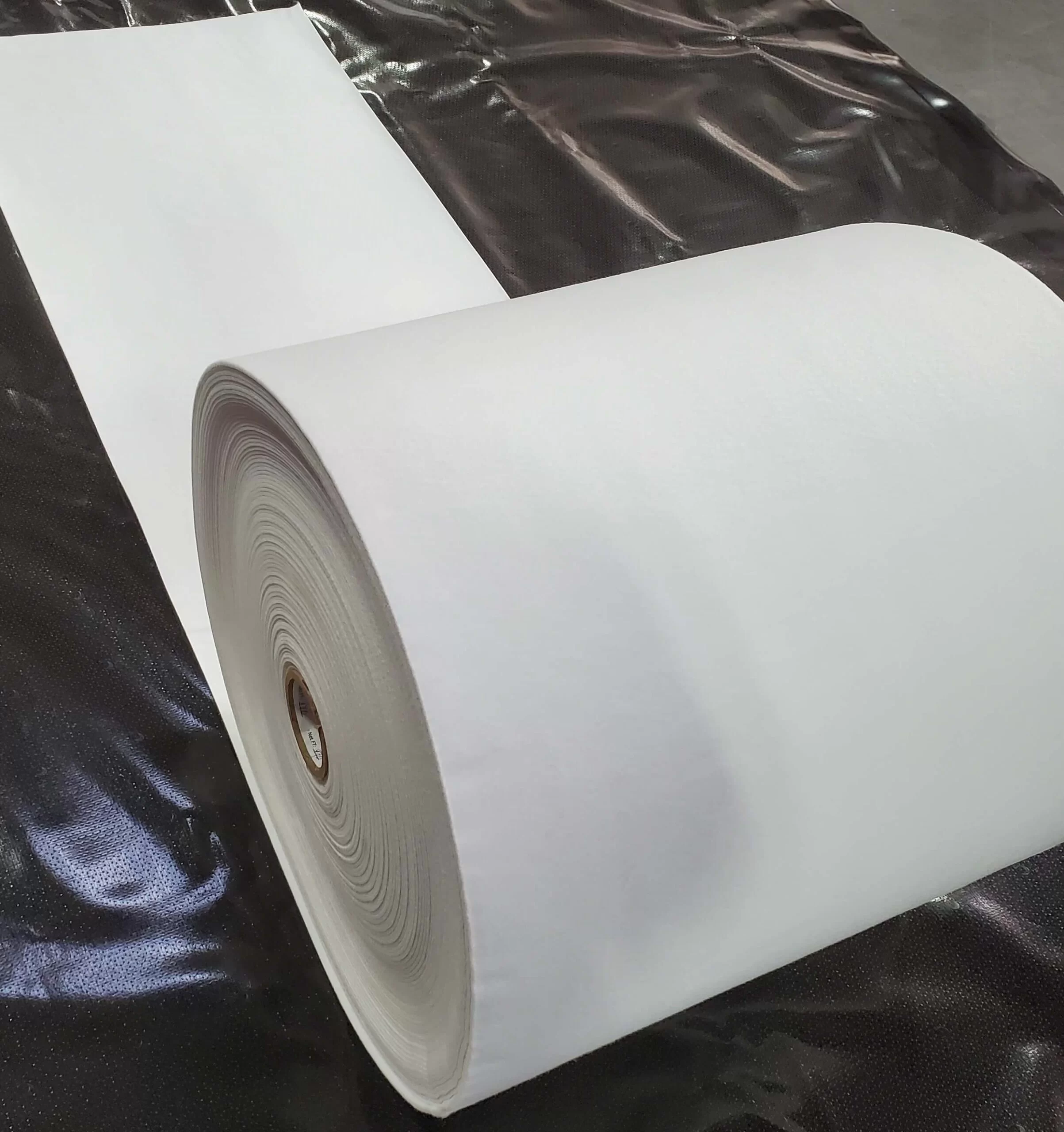
The expanding customization of CIPP tubing for applications can enable the CIPP tube manufacture to maximize material and production efficiency. There are options in designing CIPP coated felts. As a coated felt supplier, we work with our customers to design products that will maximize their production process. Options in width, coating thickness, and type of TPU can all contribute to the overall material and process efficiency when producing CIPP tubes.

At our production facility in Hillside NJ, we have the ability to coat from 50 inches up to 120 inches wide. Being able to utilize the most efficient felt width for your production helps reduce the amount of waste trim generated when producing tubes. Today we have customers that buy up to 3 widths of coated felt from us and combine sizes for production runs. Having this flexibility is a great advantage for our customers.


CONNECT WITH A COATED FELT EXPERT


What You Need to Know About Viscosity

As a coated felt supplier,  E2 can help improve process efficiencies in other ways. Within the world of TPU Ester brands, there are many differences. One of those differences is viscosity. Viscosity will vary between brands and even within lots.  It is easy to think of viscosity in terms of water and molasses. A material that has high viscosity doesn’t flow freely meaning it flows like molasses. If you want the material you are using to stay put when melted the viscosity of molasses is good. But if you want it to flow out and coat everything it could be an issue. On the other hand, a material with very low viscosity will flow like water.  Low viscosity materials will flow out fast and cover a wide area of material but could be difficult to control. 

Finding the Right Viscosity Balance

As a processor and coater of felts, e2 tries to strike a balance of these two. We want to be able to pump the material out of our equipment through our extrusion coating process to produce at faster rates (we want it to flow like water) but at the same time, we want to control the amount of coating exactly (we don’t want it to flow too fast). The melt viscosity or melt flow will change depending on what the temperature of the process is. Different TPU types and variations can have vastly different melt flows. This will affect how easy a processor can coat materials and more important to our customers this will affect how easy and fast tubes can be joined together.  This is what we call our process window. 

Our Sweet Spot

We define the process window as the temperature at which we can get materials to flow the way we need them to flow in order to obtain the outcome we want. If we want to run a 20 mil coating of TPU we will need to run at a set temperature that allows the TPU to flow out at the right rate and thickness. Doing this consistently helps our customers process tubes and welds consistently.

Work Hand in Hand with Your Coated Felt Supplier

Being consistent allows us to produce efficiently and gives our customers a head start in their process. That is why it is a good idea to work hand in hand with your coated felt supplier to make sure the TPU tape and your coated felt will work well together seamlessly.  At E2 we work closely with our customers and vendors to make sure these systems work.  In many circumstances, we can supply the same Lot of TPU we used in our coated felt to our customers to extrude. This helps to ensure the full compatibility of products. We understand that a failed seam in the field is very expensive. We believe that it is our job to help ensure our customers’ success.


E2 Connect

Boosting Efficiency and Quality in the Cured-in-Place Pipe (CIPP) Market with Coated Felts

Take control of CIPP liner production with high-performance coated felts, TPU pellets, and welding tapes. E Squared supports your in-house fabrication.

The Cured-in-Place Pipe (CIPP) industry is evolving. More and more installers are choosing to vertically integrate their operations, moving away from relying solely on third-party tube and liner suppliers.

Instead of sourcing finished tubes, resin, and other supplies from a single provider, today’s forward-thinking CIPP companies are bringing production in-house. With modest investment in fabrication equipment, they’re gaining more control over quality, reducing lead times, and improving margins.

But to succeed in this transition, one component is non-negotiable: access to reliable, high-performance coated nonwoven felt — the foundation of every CIPP liner.


Why More CIPP Installers Are Making Their Own Liners

Bringing liner manufacturing in-house unlocks several advantages:

  • Faster turnaround without waiting on outside suppliers

  • More control over quality and customization

  • Improved profit margins by owning more of the process

However, it all starts with the right base materials. That’s where we come in.


Your Go-To Supplier for Coated Felt and More

At E Squared, we’ve spent over 30 years extrusion-coating high-quality needle-punched nonwoven felts with polymers like TPU, TPO, and PE. Our materials are built to perform under the demanding conditions of CIPP installation — and we tailor every roll to your specific application.

What makes us different?

  • Custom Polymer Coatings
    We apply TPU, TPO, or PE coatings tested extensively with top resin brands to ensure optimal compatibility and cure performance.

  • Precision Slitting
    Need a specific width? No problem. We slit to your specs for a seamless fit in your process.

  • Reliable Felt Sourcing
    We partner with top U.S. felt manufacturers and also offer toll coating services if you already have your preferred material.


Accessory Products to Support Your Fabrication Line

We don’t stop at coated substrates. E Squared also provides materials and know-how to support your full liner fabrication workflow:

  • TPU & TPO Pellets
    For customers extruding tape to reinforce stitched seams, we provide high-performance pellets made from the same resin systems as our coatings.

  • Welding Tapes
    For those using automated seam welders, our coated tapes ensure consistent bonding and long-term performance.

  • Tech Support That Gets It
    Setting up new welding or extrusion systems? We’ve helped dozens of CIPP fabricators troubleshoot their equipment and processes. We’re here for more than materials — we’re here to help you succeed.


Start Producing Your Own Liners — with Confidence

We understand what it takes to transition from buying pre-made liners to fabricating them yourself. With the right materials, trusted technical support, and a supply chain partner who knows the CIPP industry, you’ll be up and running faster than you think.

Let’s talk about how we can support your next step in vertical integration — and supply the coated felts, pellets, and tapes you need to take control of your liner production.


Ready to start manufacturing your own liners?
Contact Us Here to talk to a specialist or request material samples.

The Advantages of White Reinforced Geomembranes for Floating Covers and Reservoir Liners

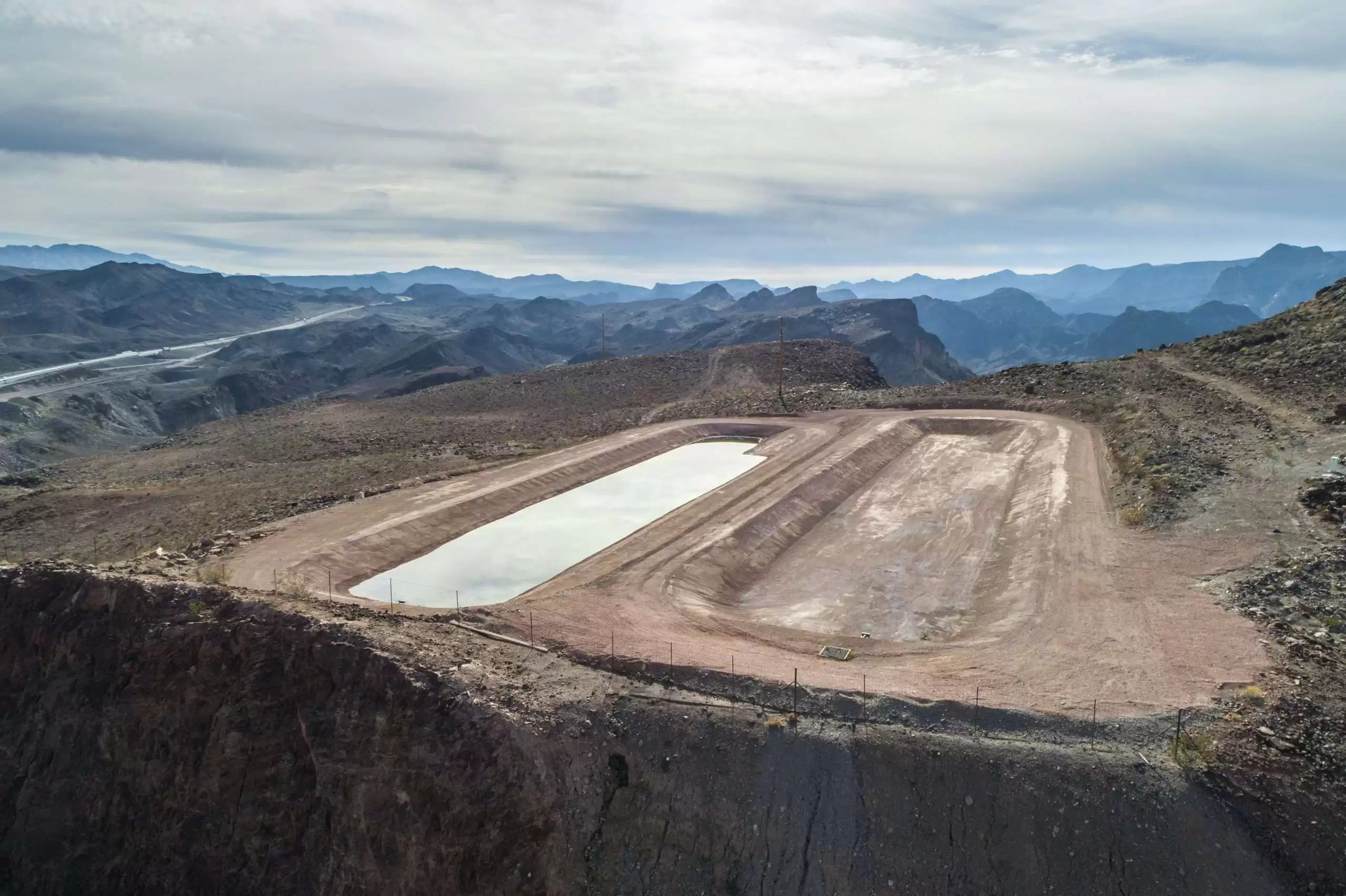
White reinforced geomembranes are a high-performance solution for water containment, offering exceptional durability, environmental benefits, and cost-effectiveness in applications such as floating covers and reservoir liners. These advanced materials are widely used in water storage, wastewater treatment, and environmental protection projects due to their ability to prevent contamination, reduce evaporation, and extend system longevity.
This comprehensive guide explores the key benefits of white reinforced geomembranes, their role in sustainable water management, and why they are an optimal choice for large-scale containment projects.

White reinforced geomembranes are a high-performance solution for water containment, offering exceptional durability, environmental benefits, and cost-effectiveness in applications such as floating covers and reservoir liners. These advanced materials are widely used in water storage, wastewater treatment, and environmental protection projects due to their ability to prevent contamination, reduce evaporation, and extend system longevity.

This comprehensive guide explores the key benefits of white reinforced geomembranes, their role in sustainable water management, and why they are an optimal choice for large-scale containment projects.

Enhanced Light Reflectivity and Temperature Control

One of the most significant advantages of white reinforced geomembranes is their high light reflectivity, which plays a crucial role in minimizing heat absorption. The white surface reflects a substantial portion of solar radiation, reducing internal temperature fluctuations in reservoirs and containment areas.

How This Benefits Reservoirs and Floating Covers:

Prevents excessive heat buildup – Helps maintain a stable water temperature
Reduces evaporation rates – Lower water loss translates to better resource efficiency
Optimizes energy consumption – Less reliance on cooling systems in controlled environments

By maintaining a consistent temperature profile, white geomembranes help improve the overall efficiency and longevity of water containment systems.

Algae Growth Prevention and Water Quality Maintenance

Algae growth is a major concern for reservoirs, wastewater treatment facilities, and industrial water storage. Algae thrive in warm, sunlit environments, leading to biofilm formation, water quality degradation, and increased maintenance costs.

Why White Geomembranes Inhibit Algae Growth:

Blocks excessive light penetration – Restricts photosynthesis, preventing algae proliferation
Maintains cleaner water conditions – Reduces the need for chemical treatments
Improves aesthetic and functional integrity – Minimizes surface discoloration and contamination

By incorporating white reinforced geomembranes, project developers can proactively control algae growth, ensuring that water remains clear, clean, and safe for various applications.

Exceptional Longevity, Durability, and UV Resistance

White reinforced geomembranes are engineered for extreme durability, making them ideal for long-term containment solutions. They are specifically designed to withstand harsh environmental conditions, chemical exposure, and mechanical stress.

Durability Features That Set White Geomembranes Apart:

Superior UV resistance – Prevents material degradation from prolonged sun exposure
High chemical resistance – Compatible with various industrial, agricultural, and municipal applications
Puncture and tear resistance – Ensures structural integrity under heavy loads

These properties translate to long-lasting performance, reducing replacement cycles and maintenance costs, making white geomembranes a cost-effective investment.

Seamless Installation with Heat Welding Compatibility

A major advantage of white reinforced geomembranes is their compatibility with heat welding techniques, allowing for seamless, watertight seals. This ensures that containment systems remain secure and leak-proof, reducing the risk of fluid loss and environmental contamination.

Benefits of Heat-Welded Geomembrane Systems:

Creates uniform, strong, and flexible seams – Eliminates potential weak points
Reduces installation errors – Enhances project efficiency and long-term reliability
Supports large-scale applications – Ideal for municipal, industrial, and agricultural reservoirs

The ability to thermally fuse geomembrane panels simplifies installation and maintenance, making them an ideal choice for high-performance containment solutions.

Environmental Sustainability and Eco-Friendly Water Management

Sustainability is a growing concern in water conservation and infrastructure projects. White reinforced geomembranes contribute to eco-friendly containment systems by offering a recyclable and reusable solution that minimizes environmental impact.

How White Geomembranes Support Sustainability Goals:

Manufactured with recyclable materials – Supports circular economy initiatives
Reduces the need for chemical treatments – Limits water pollution and maintenance costs
Extends the lifecycle of containment systems – Decreases waste and resource consumption

By adopting white reinforced geomembranes, project developers align with sustainable engineering practices, ensuring long-term environmental responsibility.

Cost-Effectiveness and Long-Term Value

Beyond their structural and environmental benefits, white reinforced geomembranes offer a high return on investment (ROI) by reducing operational and maintenance costs.

Financial Advantages of White Geomembranes:

Lower maintenance requirements – Durable materials require minimal upkeep
Extended service life – Reduces the frequency of repairs and replacements
Efficient installation – Saves on labor costs and project timelines

The combination of reduced water loss, lower maintenance, and enhanced performance makes white geomembranes a cost-effective choice for large-scale water containment projects.

Why White Reinforced Geomembranes Are the Future of Water Containment

White reinforced geomembranes are a game-changer for reservoir liners and floating covers, offering exceptional strength, energy efficiency, and sustainability. From minimizing evaporation and algae growth to enhancing durability and cost-effectiveness, these materials provide an unmatched solution for modern water storage needs.

By integrating white reinforced geomembranes into reservoir and containment projects, industries can achieve:
Long-term performance and reliability
Improved environmental sustainability
Optimized cost-efficiency and project outcomes

Explore how E Squared’s industry-leading geomembranes can enhance your next project.

Learn More Here

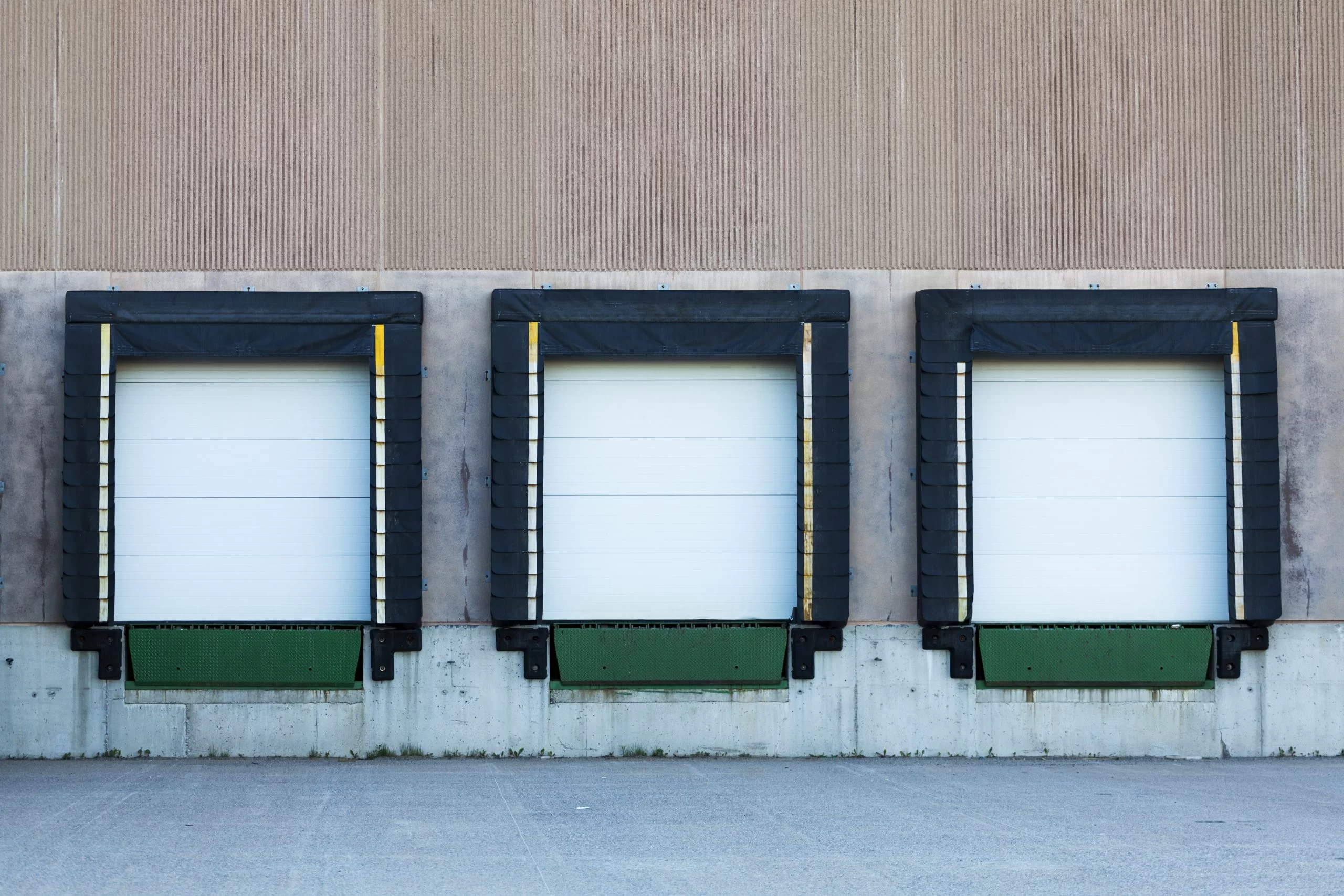
Unraveling TPU Coated Fabrics: The Cold Weather Solution for Dock Seals

Why Dock Seals Matter in Cold Weather

When you think about busy loading docks, dock seals might not be the first thing that comes to mind. However, these crucial barriers play a vital role in maintaining warehouse efficiency and protecting goods from extreme temperatures.

Cold weather brings unique challenges to docks, including heat loss, energy inefficiency, and exposure to moisture. That’s where TPU coated fabrics come in—offering superior protection, durability, and flexibility in freezing conditions.

What Are TPU Coated Fabrics?

TPU (Thermoplastic Polyurethane) coated fabrics are high-performance materials designed for durability and resistance. When applied as a coating to textiles, TPU enhances flexibility, water resistance, and temperature adaptability. This makes it an ideal choice for dock seals, where reliability in extreme conditions is essential.

Benefits of TPU Coated Fabrics for Dock Seals

1. Cold Weather Flexibility

One of the key advantages of TPU coated fabrics is their elasticity in freezing temperatures. Unlike traditional materials that become brittle, TPU remains pliable, ensuring dock seals function properly even in sub-zero conditions.

2. Superior Durability

Loading docks experience heavy wear and tear. TPU-coated fabrics offer exceptional resistance to abrasion and impact, extending the lifespan of dock seals and reducing maintenance costs.

3. Enhanced Sealing Properties

Maintaining an airtight seal is crucial for energy efficiency in warehouses. TPU coated fabrics create a tight barrier between the dock and truck, minimizing heat loss and lowering heating costs.

4. Moisture and Chemical Resistance

Cold weather often brings rain, snow, and ice, which can weaken traditional dock seals. TPU-coated fabrics provide superior resistance to moisture and harsh chemicals, ensuring long-term performance in demanding environments.

5. Eco-Friendly Material

Compared to other plastics, TPU is more environmentally friendly due to its recyclability and lack of harmful chemicals. For businesses looking to implement sustainable materials, TPU-coated fabrics are a responsible choice.

E Squared Technical Textiles: Your Trusted Source for TPU Coated Fabrics

At E Squared Technical Textiles, we specialize in high-quality TPU coated fabrics designed for cold weather applications. Our materials provide exceptional flexibility, durability, and resistance to environmental elements, making them ideal for dock seals and protective coverings.

Ready to upgrade your dock seals with superior TPU-coated fabrics?
🔗 Explore E Squared’s Coated FabricsDock Seal

The Growing Crisis in Antimony Trioxide Supply in the United States

The supply of Antimony Trioxide, a critical component in various industries, is rapidly becoming a pressing issue in the United States. Prices have skyrocketed from just over $5 per pound at the beginning of 2024 to $10 per pound by the end of the year. Projections for early 2025 suggest prices could soar beyond $25 per pound. This unprecedented surge is linked to geopolitical tensions, particularly the ongoing U.S.-China trade war. As China ceases its export of Antimony metal to the United States, the ripple effects are being felt across multiple sectors, including military and construction.


The Strategic Importance of Antimony

Antimony is a critical mineral with applications in both defense and civilian industries:

  • Military Applications:
    • Manufacturing of night vision goggles
    • Production of armor-piercing rounds
    • Development of advanced defense systems
  • Civilian Applications:
    • Used as a fire retardant in polyvinyl chloride (PVC) products, such as:
      • Roofing membranes
      • Wire and cable insulation
      • Wallboards

The U.S. dependence on China is stark:

  • China supplies approximately 48% of the world’s Antimony, making its export ban a global challenge.
  • The U.S. relies on China for about 63% of its Antimony imports, leaving industries vulnerable to supply chain disruptions and volatile pricing.

Global Antimony Producers and U.S. Partnerships

Several countries besides China have active antimony mining operations, with varying degrees of alignment with U.S. interests:

  1. Australia
    • A strong ally with a stable political environment.
    • Committed to sustainable mining practices.
  2. Bolivia
    • Holds significant antimony reserves.
    • Mixed relationship with the U.S., but offers potential for collaboration.
  3. Turkey
    • As a NATO ally, Turkey is a viable partner.
    • Diplomatic and regional tensions may pose challenges.
  4. Tajikistan, Russia, and Kyrgyzstan
    • These nations are less aligned with U.S. interests due to ties with China and Russia.

Key Takeaway: Strengthening trade relationships with Australia, Bolivia, and Turkey is essential to securing critical mineral supply chains.


Domestic Production Challenges

The U.S. has domestic Antimony reserves in Idaho and Alaska, with Canada also offering accessible mines. However, several obstacles hinder production:

  • Environmental Regulations: Strict permitting processes delay mine development.
  • Time to Operationalize: Even with accelerated efforts, it could take years for U.S. mines to contribute meaningfully to supply.

Key U.S.-Based Companies Addressing the Crisis:

  1. Perpetua Resources (NYSE Stock Symbol: PPTA)
    • Redeveloping the Stibnite Gold Project in Idaho.
    • Focused on obtaining permits and exploring renewable energy partnerships.
  2. United States Antimony Corporation (NYSE Stock Symbol: UAMY)
    • Operates the only significant Antimony smelter in the U.S.
    • Increasing raw material supply from non-Chinese sources to meet domestic demand.

A Broader Call to Action

The Antimony crisis underscores vulnerabilities in global supply chains. However, this challenge is not unique to Antimony. The U.S. must prioritize self-reliance in critical minerals and metals essential for manufacturing, defense, and infrastructure.

Action Steps for the United States:

  1. Support the Mining Industry
    • Develop domestic mines and processing facilities under stringent environmental regulations.
    • Streamline permitting processes for responsible mining projects.
  2. Promote Innovation in Waste Management
    • Encourage mining companies to implement methods for sustainable waste management.
  3. Diversify Supply Sources
    • Reduce reliance on nations with conflicting values.
    • Cultivate trade relationships with allied nations like Australia, Bolivia, and Turkey.
  4. Strengthen Domestic Supply Chains
    • Incentivize companies to establish integrated domestic supply chains to reduce geopolitical risks.
  5. Advocate for Policy Change
    • Work with policymakers to raise awareness about critical minerals and balance environmental and economic priorities.

Securing the Future

The U.S. economy operates within a global framework, but strategic autonomy requires prioritizing domestic resilience. By fostering a mining industry capable of meeting domestic demand, the U.S. can safeguard its economic and national security interests. The choices made today will shape the nation’s ability to navigate future challenges with resilience and independence.


Ronald Mark Associates and E Squared Technical Textiles: Mitigating Supply Chain Challenges

At Ronald Mark Associates and E Squared Technical Textiles, we are collaborating with suppliers and global partners to maintain our position as a cost-effective and competitive supplier. While managing costs and securing stable supply chains remain priorities, we recognize the growing risk of similar disruptions affecting other critical materials. Without a proactive strategy, the U.S. may face an unsustainable cycle of supply shortages.

A Letter to Express Our Solidarity with Our Partners at Erez Thermoplastics in Israel

Dear Valued Customers,

At E Squared Technical Textiles, we want to take a moment to express our solidarity with our partners at Erez Thermoplastics in Israel, and to provide an important update regarding their operations in light of the current conflict.

As many of you know, E Squared is a joint venture between Ronald Mark Associates and Erez Thermoplastics, a leading manufacturer of technical textiles located in Kibbutz Erez, Israel. On October 7th, the world witnessed the tragic events that unfolded. The upcoming anniversary of these attacks reminds us of the tremendous loss and challenges faced by communities across the region.

Despite these devastating circumstances, we are incredibly proud of the resilience and courage demonstrated by the people of Kibbutz Erez. In the face of adversity, they bravely defended their community and, remarkably, resumed production just weeks later. This speaks volumes about their unwavering commitment to ensuring that the needs of their customers around the world continue to be met.

We understand that many of you may have concerns about potential disruptions to your supply chain, given the current news from Northern Israel and Southern Lebanon. We want to reassure you that Erez Thermoplastics is currently operating without any interruptions. Materials continue to flow through the major ports of Ashdod and Haifa, ensuring uninterrupted production and on-time delivery of your orders.

Erez Thermoplastics remains fully dedicated to providing the high-quality technical textiles that you have come to rely on. Their ability to maintain operations during such difficult times is a testament to their professionalism and dedication to excellence.

At E Squared, we are also proactively working to safeguard your supply chain against any potential future risks. As part of our long-term strategy, we are developing plans to manufacture many of Erez’s products here in the United States. This initiative not only aims to expand our production capacity but also to offer greater supply continuity to better meet your evolving needs.

We will continue to monitor the situation closely and keep you informed of any new developments. In the meantime, please do not hesitate to contact your E Squared representative if you have any questions or concerns.

Thank you for your continued trust and partnership.

Sincerely,

The E Squared Technical Textiles Team

Let’s talk about TPU 2057

E Squared Technical Textiles prides itself on being the only manufacturer worldwide capable of producing the material used for flexible storage tanks (fabric = material) that are approved according to the Water Regulations Advisory Scheme (WRAS) standards. This certification is regarded as a stringent standard that safeguards the quality of drinking water products.

Our products are essentially coated fabrics that are flexible yet robust and durable. The purpose of this material is to serve as the building block for water storage tanks or flexible containers for drinking water. Unlike rigid containers, these storage solutions can be filled with water as needed, making them ideal for areas without an established water infrastructure.

What does WRAS stand for?

WRAS stands for Water Regulations Advisory Scheme. This UK conformance mark indicates that a piece of plumbing, fitting, or equipment complies with the high standards set to prevent contamination and water wastage. Products holding WRAS approval have been tested and proven to be of high quality and safe for use with drinking water. Achieving and maintaining this certification is paramount for manufacturers operating in the water industry, as installations not in line with the regulations may be deemed illegal.

water storage content

As seen at the Royal International Air Show, our products can be easily deployed and ready for use. The event showcased our TPU 2057 product in action, providing a reliable temporary water solution for event-goers.

flexible water 2

Our WRAS-certified materials have played an essential role in temporary water storage for massive sporting events in Brazil and London (image is taken from Brazil 2012). These temporary water storage solutions are perfect for events where drinkable water is needed temporarily.

How do you know if something is WRAS approved?

Even though WRAS-approved products may carry the WRAS logo on their packaging, it’s not a requirement. If you’re uncertain, consult your retailer or a WaterSafe registered plumber.

What Products Require WRAS Approval?

WRAS Product Approval is necessary for a broad range of water supply products – from valves, showers, boilers to industrial water storage tanks. These products undergo rigorous mechanical and water quality testing. Furthermore, WRAS Material Approval applies to non-metallic materials and components, like the fabric used for flexible containers for drinking water. They are tested for their effects on water quality. Both these certifications ensure safety and compliance with UK water industry standards.

Let’s talk about TPU 2057 

TPU 2057 is a double-sided coated membrane, Polyester fabric, whose end use is for Potable Water Tanks.

TPU-coated both-side membranes made from Polyester fabric are highly durable materials. A polyester base fabric is coated on both sides with Thermoplastic Polyurethane (TPU), providing superior strength, elasticity, and resistance to water, oils, and many chemicals.

The TPU 2057 stands out due to its robust specifications.

  • The base fabric is made of high-quality polyester, creating a sturdy foundation for the end products.
  • Both the breaking strength (using the strip method) and elongation at break percentage highlight the material’s ability to withstand high stress.
  • The product’s grab-breaking strength further demonstrates its robustness.
  • TPU 2057 also boasts impressive tear strength, which varies depending on the testing method used (Single Rip, Double Rip, Trapez).
  • Last but not least, the coating adhesion (HF welding) is a testament to the material’s durability and overall quality.
When it comes to providing temporary water solutions, E Squared leads the industry with our WRAS-certified material. Whether it’s for a major event or a remote area with limited water infrastructure, our flexible liquid storage solutions can meet the need.
tpu 2057

The Difference in Main Line CIPP and Laterals

Cured-In-Place Pipe (CIPP) technology has revolutionized the field of sewer and pipeline rehabilitation, offering a cost-effective and minimally disruptive solution to address aging or damaged infrastructure. Within the realm of CIPP, there exists a distinction between mainline and lateral applications, each serving a unique purpose in the rehabilitation of underground pipelines. Main Line is considered as the Sewer Main line connected to treatment facilities, whereas Lateral is the service pipe from the property line to the mainline.

Main Line CIPP and Laterals

Mainline CIPP and lateral CIPP are two variants of the same technology, yet they are tailored to address different sections of a sewer or pipeline system. Understanding the differences between these applications is crucial for municipalities, engineers, and contractors involved in the maintenance and rehabilitation of underground infrastructure.

Mainline CIPP primarily focuses on rehabilitating larger diameter pipes that form the main network of a sewer system. These are the primary conduits that collect and transport wastewater from various sources to treatment facilities. The mainline CIPP process involves the insertion of a flexible, resin-impregnated liner into the existing pipe. This liner is then inflated, adhering to the inner walls of the host pipe and forming a seamless, durable, and corrosion-resistant new pipe within the old one.

One of the key advantages of mainline CIPP is its ability to rehabilitate long stretches of pipeline with minimal excavation. This is particularly beneficial in densely populated urban areas where traditional open-cut methods would be disruptive and costly. Mainline CIPP also enhances hydraulic efficiency by improving the flow capacity of the rehabilitated pipes and reducing the risk of leaks.

On the other hand, lateral CIPP is tailored for the rehabilitation of smaller diameter pipes that connect individual properties to the main sewer line. These lateral pipes, also known as service or branch lines, play a critical role in transporting wastewater from homes and businesses to the main sewer system. Lateral CIPP employs a similar process to mainline CIPP but is adapted to the specific dimensions and requirements of these smaller pipes.

Main Line CIPP and Laterals

Image source: LMK Technologies

The main challenge in lateral CIPP lies in the complexity of the network, as lateral pipes often branch off in various directions and connect to different mainlines. Therefore, precise planning and execution are essential to ensure that each lateral is accurately identified and rehabilitated. Despite these challenges, lateral CIPP provides a valuable solution for addressing the specific needs of smaller pipelines without the need for extensive excavation.

Both mainline and lateral CIPP share common benefits, such as reduced disruption, cost-effectiveness, and environmental sustainability. By avoiding extensive excavation, these methods minimize the impact on surrounding infrastructure, traffic, and the environment. Additionally, the seamless liners created through CIPP technology contribute to improved structural integrity, longevity, and resistance to corrosion, extending the lifespan of the rehabilitated pipelines.

Some of the key differences between Mainline CIPP and Laterals:

Main line CIPP typically involves larger-diameter pipes (from 6 to 96 inches) that are mostly circular in shape, while lateral CIPP usually involves smaller-diameter pipes (from 3 to 12 inches) that can be circular, oval, or rectangular in shape.

Main line CIPP uses inversion or pull-in methods to insert the liner into the pipe, while lateral CIPP uses inversion, pull-in, or push-in methods, depending on the length and diameter of the pipe and the type of liner used

Lateral liners are typically designed with flexible fiber reinforcements to provide the ability to stretch and conform to bends, offset joints and irregular piping.  Flexible reinforcement of varying fiber type, fiber orientation, density and felt thickness and the type of thermoset resin used influence the entire composite properties. 

Main-to-lateral CIPP cured assembly needs to adhere to the requirements of ASTM F1216 and ASTM F2561-20 “Standard Practice for Rehabilitation of a Sewer Service Lateral and Its Connection to the Main Using a One-Piece Main and Lateral Cured-in-Place Liner”.

In conclusion, while mainline and lateral CIPP share a common foundation, their distinct applications cater to the unique challenges posed by different sections of a sewer or pipeline system. Whether rehabilitating the main arteries of a municipal sewer network or the smaller lateral connections, CIPP technology offers a versatile and efficient solution for addressing the aging infrastructure that underlies our communities.

References:

  • July 2011, STANDARD SPECIFICATIONS – SECTION 02955 – Sewer mains and lateral rehabilitation by lining, WSSC Water
  • Nov 2017, Susen Das et al, Productivity Analysis of Lateral CIPP Rehabilitation Process Using Simphony Simulation Modeling, Journal of Pipeline Systems Engineering and Practice

Volume 9, Issue 1https://doi.org/10.1061/(ASCE)PS.1949-1204.0000297

Navigating the Build America, Buy America Act: Opportunities and Challenges

The Build America, Buy America Act (BABAA), while promoting a noble goal of supporting American industry and workers, faces significant challenges and complexities in its implementation. As a policy designed to bolster domestic manufacturing, it brings a range of potential benefits and drawbacks that must be carefully navigated to ensure its success. This article provides an in-depth look at the BABAA, exploring its potential benefits, challenges, key considerations, and long-term implications.

Potential Benefits

Job Creation and Economic Growth

The primary aim of the BABAA is to boost domestic manufacturing by incentivizing federal projects to utilize American-made materials and products. This policy, in theory, would create jobs in manufacturing, construction, and related sectors, contributing significantly to economic growth. By mandating the use of domestic goods, the act could lead to increased demand for American products, which in turn could spur investment in local industries and infrastructure. This investment could result in the creation of high-quality jobs, benefiting communities across the country.

Moreover, the ripple effects of job creation extend beyond the immediate beneficiaries. As more individuals gain employment, their increased purchasing power stimulates local economies, supporting small businesses and service providers. This virtuous cycle of economic activity can help revitalize regions that have experienced industrial decline, providing new opportunities for workers and businesses alike.

National Security

By reducing reliance on foreign suppliers, the act aims to enhance national security. This is particularly relevant in industries considered critical to defense, such as steel, aluminum, and electronics. Dependence on foreign sources for these essential materials can pose risks, especially during geopolitical tensions or supply chain disruptions. Ensuring a robust domestic supply of these critical components strengthens the nation’s ability to respond to emergencies and maintain the integrity of its defense capabilities.

The importance of a secure supply chain cannot be overstated. Recent global events, including the COVID-19 pandemic, have highlighted the vulnerabilities associated with overreliance on foreign suppliers. By prioritizing domestic production, the BABAA seeks to mitigate these risks and build a more resilient and self-sufficient economy.

Domestic Supply Chain Resilience

A stronger domestic manufacturing base makes the US economy less susceptible to disruptions in global supply chains. During the COVID-19 pandemic, many industries experienced significant challenges due to supply chain interruptions. By fostering a more robust and reliable domestic supply of essential goods, the BABAA aims to create a more stable economic environment.

Building supply chain resilience involves more than just producing goods domestically; it also requires investment in infrastructure, technology, and workforce development. By supporting innovation and modernization within American industries, the act can help create a supply chain that is not only resilient but also competitive on a global scale.

Support for American Workers

The act prioritizes utilizing labor from American workers, potentially leading to higher wages and better working conditions in the construction and manufacturing industries. By ensuring that federal projects use domestically produced goods, the BABAA creates a demand for skilled labor within the United States. This demand can drive up wages and improve job quality, providing workers with better opportunities and working conditions.

Furthermore, the emphasis on American labor helps support local communities and reduces income inequality. As more workers gain access to well-paying jobs, they can improve their standard of living and contribute to the economic prosperity of their regions. This focus on labor rights and fair wages aligns with broader efforts to promote social equity and economic justice.

Challenges and Complexities

Increased Costs

Using American-made products may lead to higher costs for infrastructure projects compared to sourcing materials globally. This could result in delays or reduced project scope as budgets are stretched thin. The higher costs associated with domestic production are often due to factors such as higher labor wages, environmental regulations, and other compliance requirements. These additional expenses can strain project budgets and limit the scope of what can be achieved.

To address these cost challenges, policymakers and industry stakeholders need to explore strategies for reducing production costs without compromising on quality or labor standards. This could involve investing in advanced manufacturing technologies, streamlining regulatory processes, and providing financial incentives for domestic producers.

Definition of “American-Made”

The act’s definition of “American-made” is complex and subject to interpretation. Determining the origin of materials and products can be challenging, potentially leading to disputes and legal challenges. The criteria for what qualifies as American-made can vary depending on the specific product and industry, creating a landscape of regulatory complexity that businesses must navigate.

Ensuring compliance with the BABAA requires clear and consistent guidelines that can be easily understood and implemented by businesses of all sizes. Policymakers need to work closely with industry experts to develop these guidelines and provide the necessary support and resources to help businesses meet the requirements.

Impact on Small Businesses

While the act aims to support American businesses, it could inadvertently favor larger companies with existing manufacturing capabilities. Small businesses might struggle to meet the act’s requirements and participate in federal projects. These smaller enterprises may lack the resources and capacity to scale up production quickly or to navigate the complex regulatory environment associated with the BABAA.

To ensure that small businesses can benefit from the act, targeted support measures are needed. This could include providing grants or low-interest loans to help small businesses expand their operations, offering technical assistance to navigate compliance requirements, and fostering partnerships between small and large businesses to share resources and expertise.

Global Trade Implications

The act could potentially trigger retaliatory measures from other countries, impacting American exports and overall trade relations. By prioritizing domestic production, the BABAA may be seen as protectionist, leading to tensions with trading partners who may respond with tariffs or other trade barriers against American goods. This could harm U.S. exporters and disrupt global trade relationships.

Navigating these trade implications requires careful diplomacy and strategic engagement with international partners. Policymakers need to communicate the goals and benefits of the BABAA clearly, while also seeking to negotiate fair trade agreements that protect American interests without escalating trade conflicts.

Limited Scope

The act applies primarily to federal projects, leaving a significant portion of the economy outside its purview. While federal projects represent a substantial market, many industries and sectors are not directly impacted by the BABAA. This limits the overall reach and effectiveness of the policy in achieving its broader economic and security goals.

To maximize the impact of the BABAA, policymakers should consider ways to extend its principles to other areas of the economy. This could involve encouraging state and local governments to adopt similar policies, promoting private sector initiatives that align with the act’s goals, and leveraging public-private partnerships to expand the reach of domestic manufacturing support.

Key Considerations

Transparency and Accountability

To ensure the act’s effectiveness and prevent unintended consequences, there needs to be clear and transparent implementation guidelines and strong oversight mechanisms. Transparency in the decision-making process helps build trust among stakeholders and ensures that the goals of the BABAA are being met effectively. This includes providing regular updates on the progress of federal projects, publishing detailed reports on the use of American-made materials, and establishing independent oversight bodies to monitor compliance.

Effective accountability measures are also crucial. This involves setting clear performance metrics, conducting regular audits, and taking corrective actions when necessary. By holding all parties accountable, policymakers can ensure that the BABAA delivers on its promises and achieves its intended outcomes.

Collaboration and Partnerships

Success will require collaboration between government agencies, industry stakeholders, and labor unions. Open communication and effective partnerships are crucial for addressing challenges and finding solutions. Government agencies need to work closely with industry leaders to understand their needs and challenges, while also engaging with labor unions to ensure that the interests of workers are protected.

Building strong partnerships involves fostering a culture of collaboration and mutual respect. This includes creating forums for regular dialogue, facilitating joint problem-solving initiatives, and providing platforms for sharing best practices. By working together, stakeholders can identify innovative solutions and drive the successful implementation of the BABAA.

Long-Term Impact

The act’s impact will not be immediately apparent. Long-term evaluation and adjustments will be necessary to gauge its effectiveness and ensure it achieves its stated goals. Policymakers need to establish mechanisms for continuous monitoring and evaluation, allowing them to track progress and make data-driven decisions.

This long-term perspective involves setting realistic expectations and being prepared to make adjustments as needed. It also requires investing in research and development to identify new opportunities and address emerging challenges. By maintaining a focus on continuous improvement, policymakers can ensure that the BABAA remains relevant and effective in a changing economic landscape.

Conclusion:

The Build America, Buy America Act presents a complex mix of potential benefits and challenges. While it holds promise for boosting American manufacturing, job creation, and national security, its implementation requires careful consideration, transparency, and ongoing evaluation. The success of the act ultimately hinges on the ability to navigate its complexities and ensure a balanced approach that benefits American industry and workers while maintaining a robust global trade environment. 

Specifically, the Build America, Buy America guidance will help federal agencies ensure that appropriate programs and projects are covered by Made in America conditions for iron and steel, manufactured products, and construction materials. The domestic content test for manufactured products is as follows per OMB’s final guidance 2 CFR 184:


“Produced in the United States means:

In the case of manufactured products:

(i) The product was manufactured in the United States; and

(ii) The cost of the components of the manufactured product that are mined, produced, or manufactured in the United States is greater than 55 percent of the total cost of all components of the manufactured product, unless another standard that meets or exceeds this standard has been established under applicable law or regulation for determining the minimum amount of domestic content of the manufactured product. See § 184.2(a). The costs of components of a manufactured product are determined according to § 184.5.”– 2 CFR 184